


19 Sep 2023 | 03:00 PM GMT
Past MeetingMasterclass: Multi-Condition SaMD: Regulatory Requirements and Future Implications
Participants:
Arrash Yassaee Global Clinical DirectorHumaOther
Arrash Yassaee
Global Clinical DirectorHuma
Mani Shanmugham Director, QA/RAHuma
Mani Shanmugham
Director, QA/RAHuma
Anna-Maria Heidinger Head of digital innovation hubDaiichi Sankyo Europe GmbHLife Sciences, Pharma & Biotech
Anna-Maria Heidinger
Head of digital innovation hubDaiichi Sankyo Europe GmbH

Francesca Wuttke Founder & CEOnen HealthStartup
Francesca Wuttke
Founder & CEOnen Health
Gandolf Finke CEOSynagenOther
Gandolf Finke
CEOSynagen
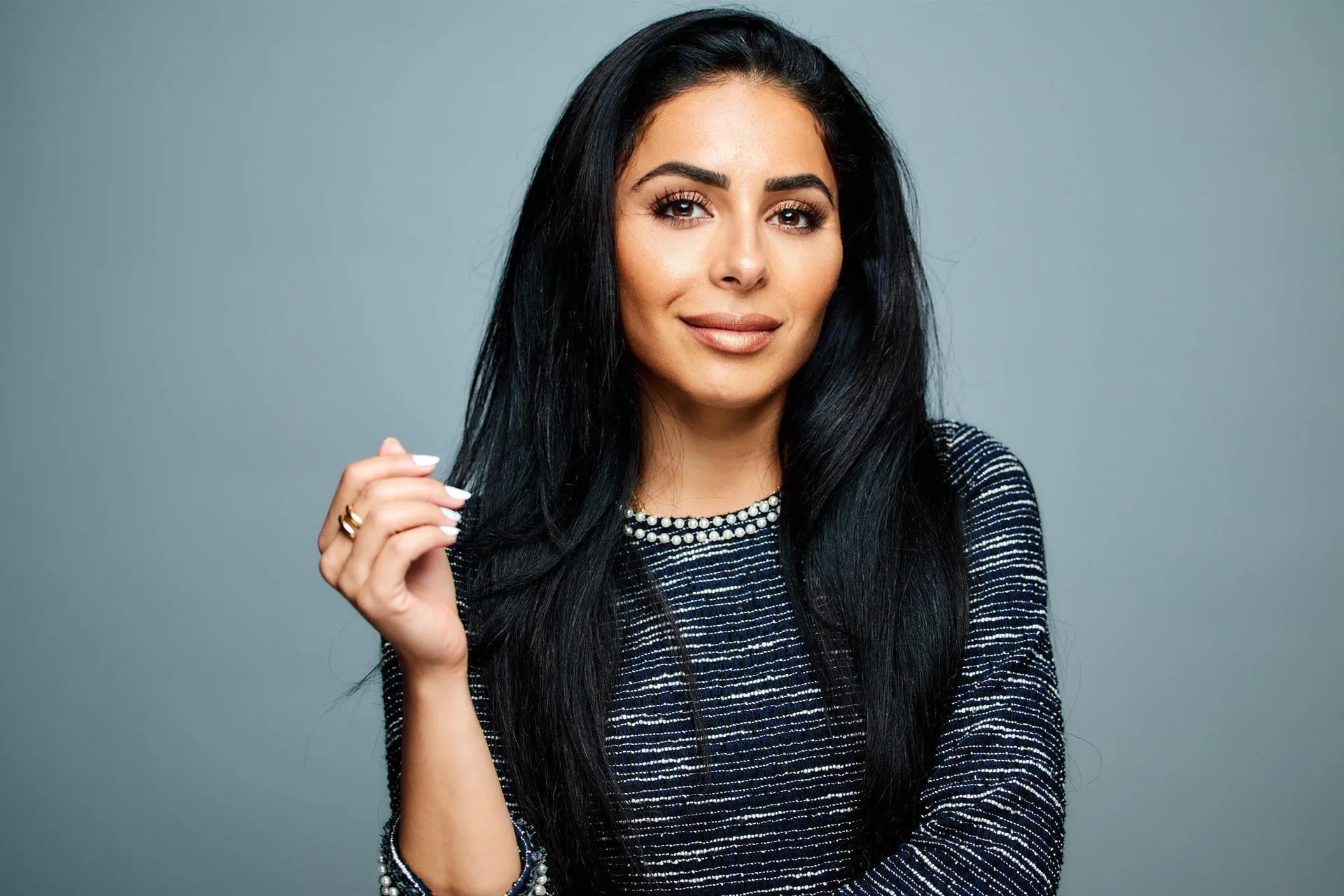
Gazal Vakili Director, Digital Health InnovationDainippon Sumitomo Pharma
Gazal Vakili
Director, Digital Health InnovationDainippon Sumitomo Pharma

Marcus Bates VP Business DevelopmentAptar Digital HealthHealth Tech & Solutions
Marcus Bates
VP Business DevelopmentAptar Digital Health
Oliver Bailey PrincipalIQVIAHealth Tech & Solutions
Oliver Bailey
PrincipalIQVIA

Patrick Leyseele Founder3.life
Patrick Leyseele
Founder3.life
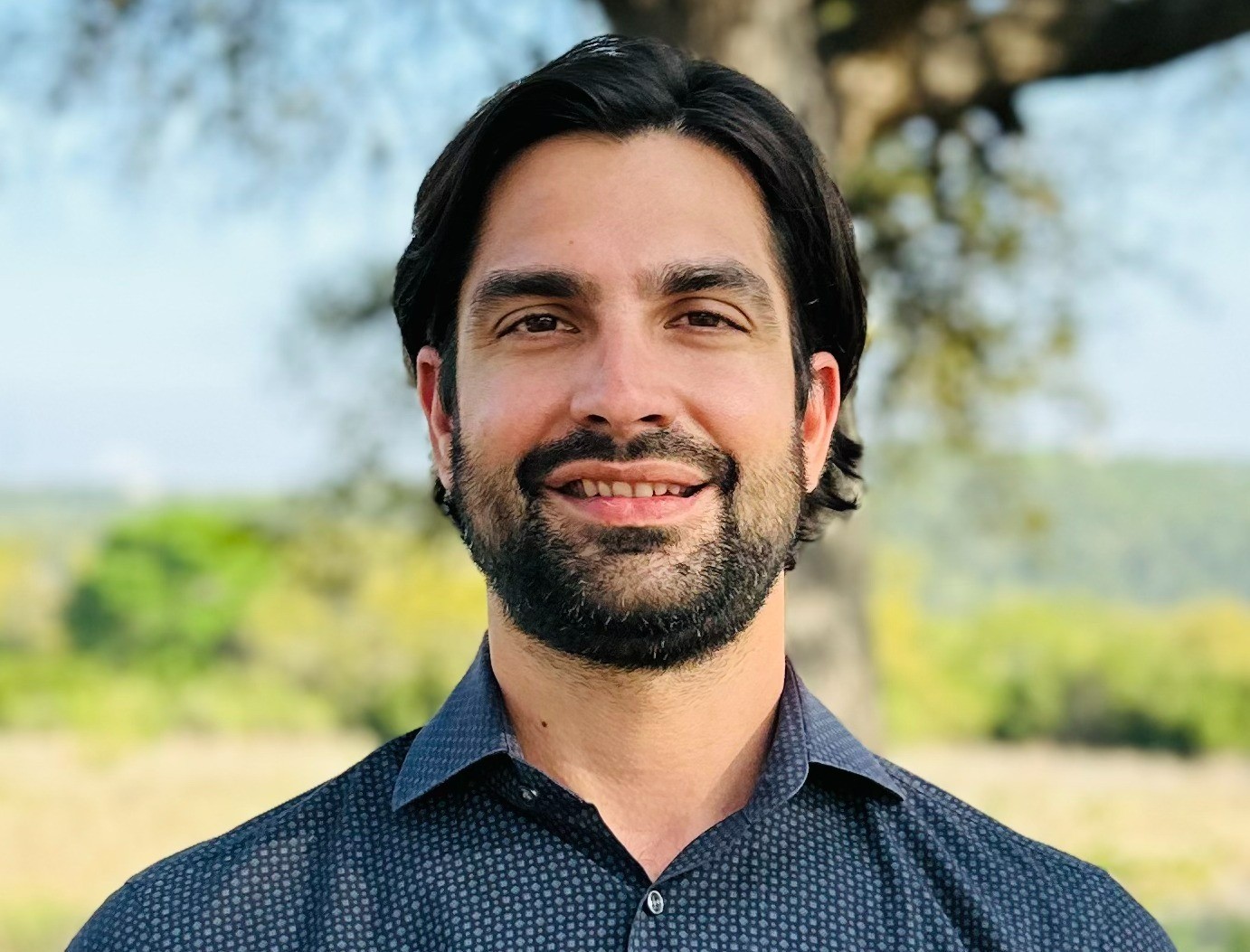
Paul Schultz SVP Business Development & StrategyBionaut Labs
Paul Schultz
SVP Business Development & StrategyBionaut Labs
Rafal Zasadny Sr. RA managerBayer Consumer Care AG
Rafal Zasadny
Sr. RA managerBayer Consumer Care AG
Ralph Morales III Managing DirectorShokunin VenturesStartup
Ralph Morales III
Managing DirectorShokunin Ventures
Richard Bunney DirectorDeviceologyProfessional Services
Richard Bunney
DirectorDeviceology
Susanne Gruber Strategic Advisor, Interim ExecutiveIgnited VisionProfessional Services
Susanne Gruber
Strategic Advisor, Interim ExecutiveIgnited Vision
Ventsislav Dobrev Global Clinical Lead Digital BiomarkersRocheLife Sciences, Pharma & Biotech
Ventsislav Dobrev
Global Clinical Lead Digital BiomarkersRoche
Zina Manji Founder/Principal, Regulatory StrategistInnopathwayz, LLCLife Sciences, Pharma & Biotech
Zina Manji
Founder/Principal, Regulatory StrategistInnopathwayz, LLC