

10 Sep 2025 | 03:00 PM GMT
Past MeetingMatching Patients to Treatments: Refining Top-of-Funnel Approaches
Participants:
Madalina Sucala Medical Digital Health and AI, Sr DirectorPfizerLife Sciences, Pharma & Biotech
Madalina Sucala
Medical Digital Health and AI, Sr DirectorPfizer

Alice Murphy Community ManagerHLTHOther
Alice Murphy
Community ManagerHLTH
Anna-Maria Heidinger Head of digital innovation hubDaiichi Sankyo Europe GmbHLife Sciences, Pharma & Biotech
Anna-Maria Heidinger
Head of digital innovation hubDaiichi Sankyo Europe GmbH
Dr. Nick (Nemanja) Kovacev Head of Healthcare and Life Sciences PracticeHTEC GroupHealth Tech & Solutions
Dr. Nick (Nemanja) Kovacev
Head of Healthcare and Life Sciences PracticeHTEC Group
Eliad Josephson Diagnostics ExecutiveHLTHProfessional Services
Eliad Josephson
Diagnostics ExecutiveHLTH
Gianna Rechichi Founder & CPOPractica HealthHealth Tech & Solutions
Gianna Rechichi
Founder & CPOPractica Health
Heidi Anderson MDSkin Vitality MDHealth System & Providers
Heidi Anderson
MDSkin Vitality MD
Johannes Boshkow Sr Business Development DirectorDawn HealthHealth Tech & Solutions
Johannes Boshkow
Sr Business Development DirectorDawn Health
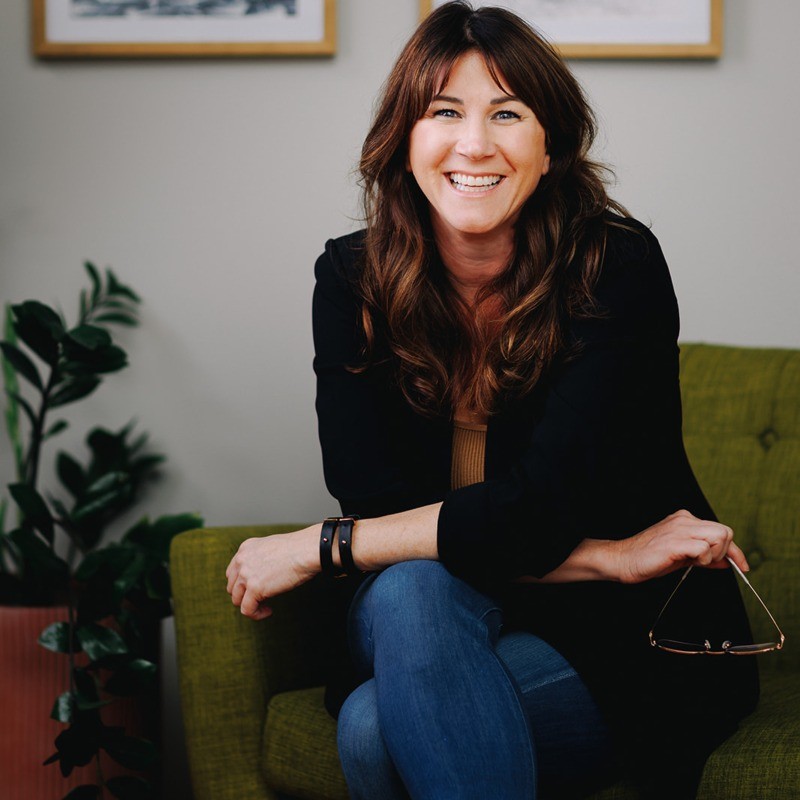
Leah McDougald Managing DirectorZoCo DesignProfessional Services
Leah McDougald
Managing DirectorZoCo Design
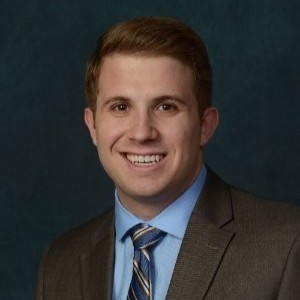
Nicholas Migliore Director, Product DevelopmentCleveland ClinicHealth System & Providers
Nicholas Migliore
Director, Product DevelopmentCleveland Clinic
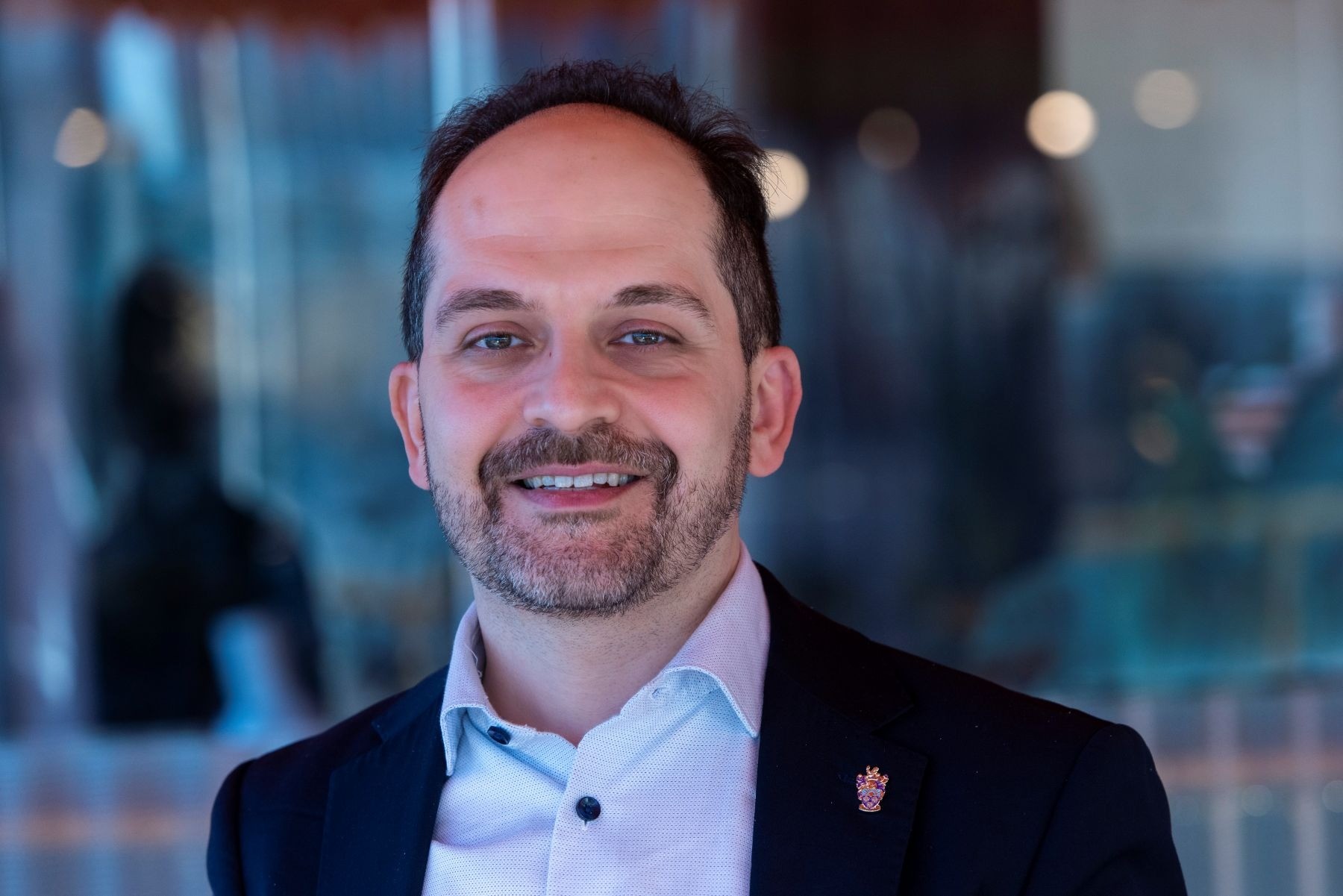
Nur Sabah CEO - AskMedi.ukDigital Health Global Solutions LtdHealth Tech & Solutions
Nur Sabah
CEO - AskMedi.ukDigital Health Global Solutions Ltd
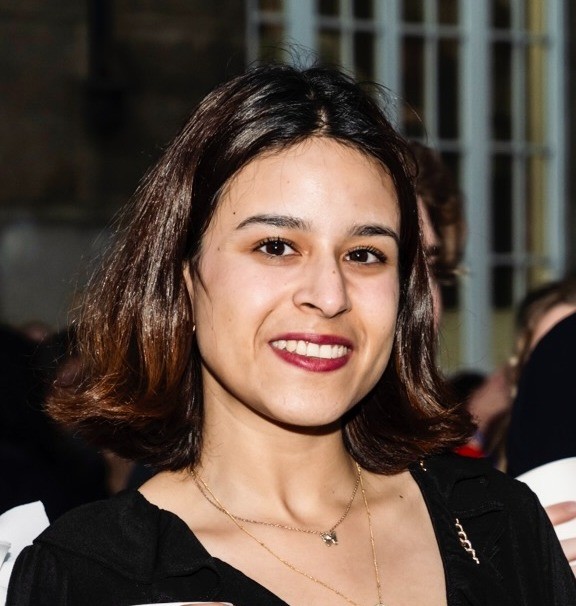
Pranavi Jatoo GTM LeadDataSenseLabsHealth Tech & Solutions
Pranavi Jatoo
GTM LeadDataSenseLabs

Sean Furmston CommercialHLTHOther
Sean Furmston
CommercialHLTH