


Speakers:

Arundhati Parmar Editor-in-ChiefMedCity NewsMedia
Arundhati Parmar
Editor-in-ChiefMedCity News
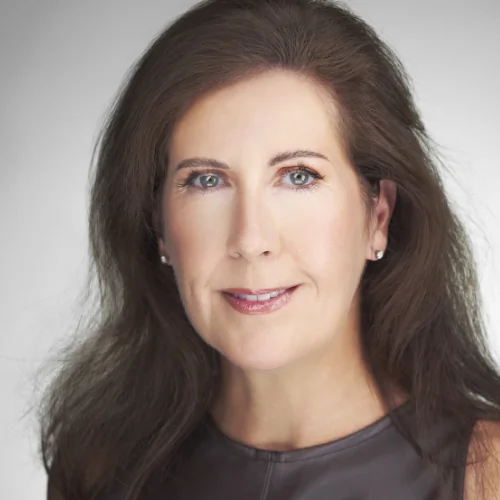
Dorothy Gemmell Chief Commercial Officer and President, ManufGoodRxHealth Tech & Solutions
Dorothy Gemmell
Chief Commercial Officer and President, ManufGoodRx

Kristen Cerf President & CEOBlue Shield of California PHPPayer & Insurer
Kristen Cerf
President & CEOBlue Shield of California PHP

Monica Soni Chief Medical Officer, Chief Deputy ExecutiveCovered CaliforniaGovernment
Monica Soni
Chief Medical Officer, Chief Deputy ExecutiveCovered California
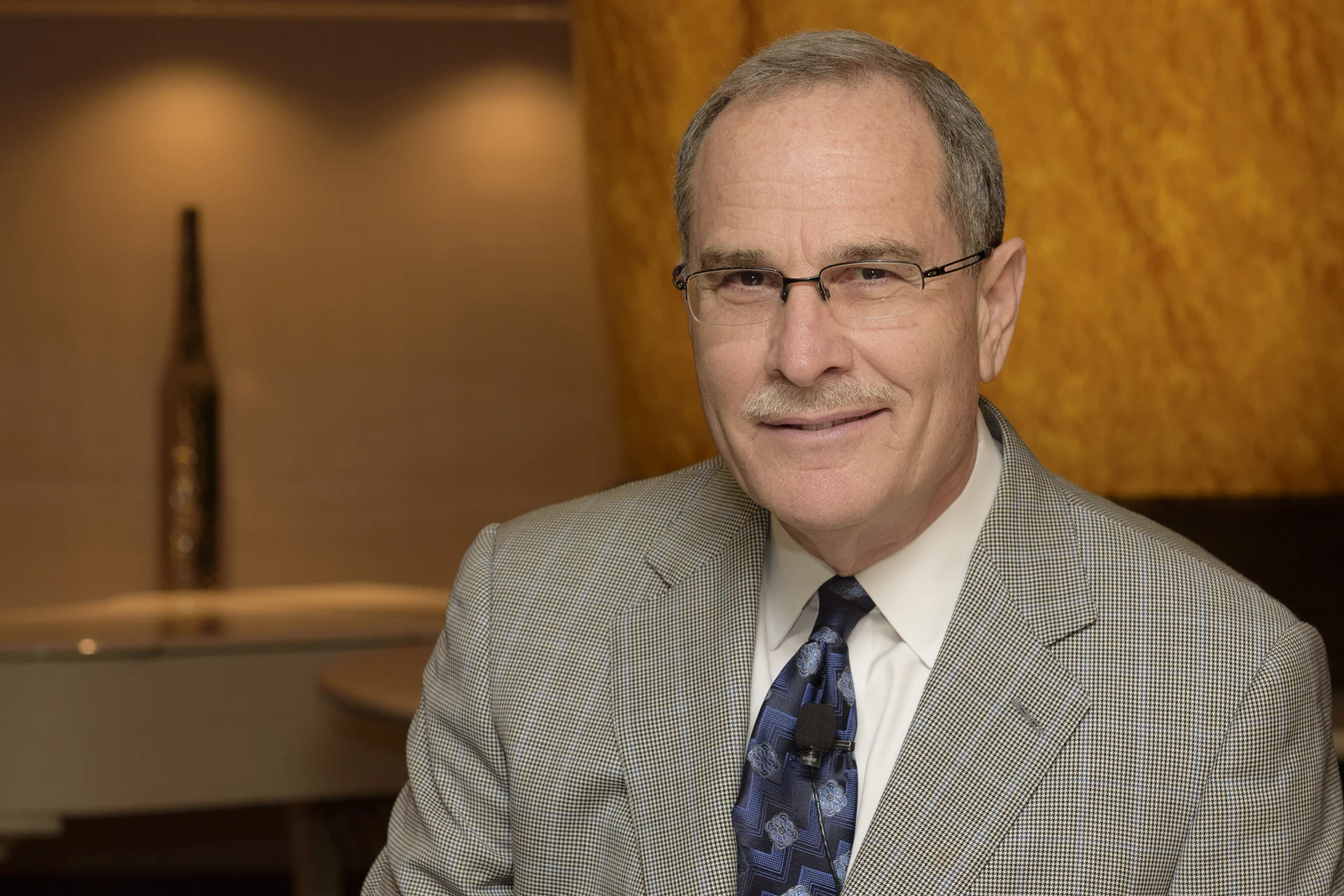
Richard Milani Chief Clinical Transformation OfficerSutter HealthHealth System & Providers
Richard Milani
Chief Clinical Transformation OfficerSutter Health