


Speakers:
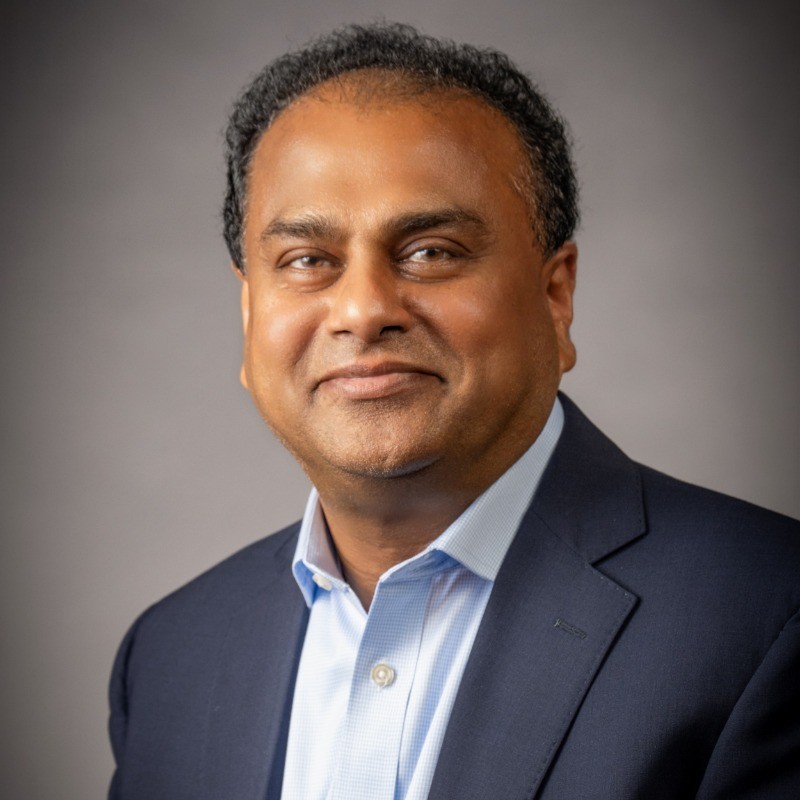
Ashok Chennuru Chief Data & AI Transformation OfficerElevance HealthPayer & Insurer
Ashok Chennuru
Chief Data & AI Transformation OfficerElevance Health
Cynthia Bero Senior AdvisorManatt HealthOther
Cynthia Bero
Senior AdvisorManatt Health
Michelle Greene Chief Information OfficerCardinal Health
Michelle Greene
Chief Information OfficerCardinal Health
Trish Coffey Chief Health Information OfficerThe National Institutes of HealthOther
Trish Coffey
Chief Health Information OfficerThe National Institutes of Health