


Speakers:
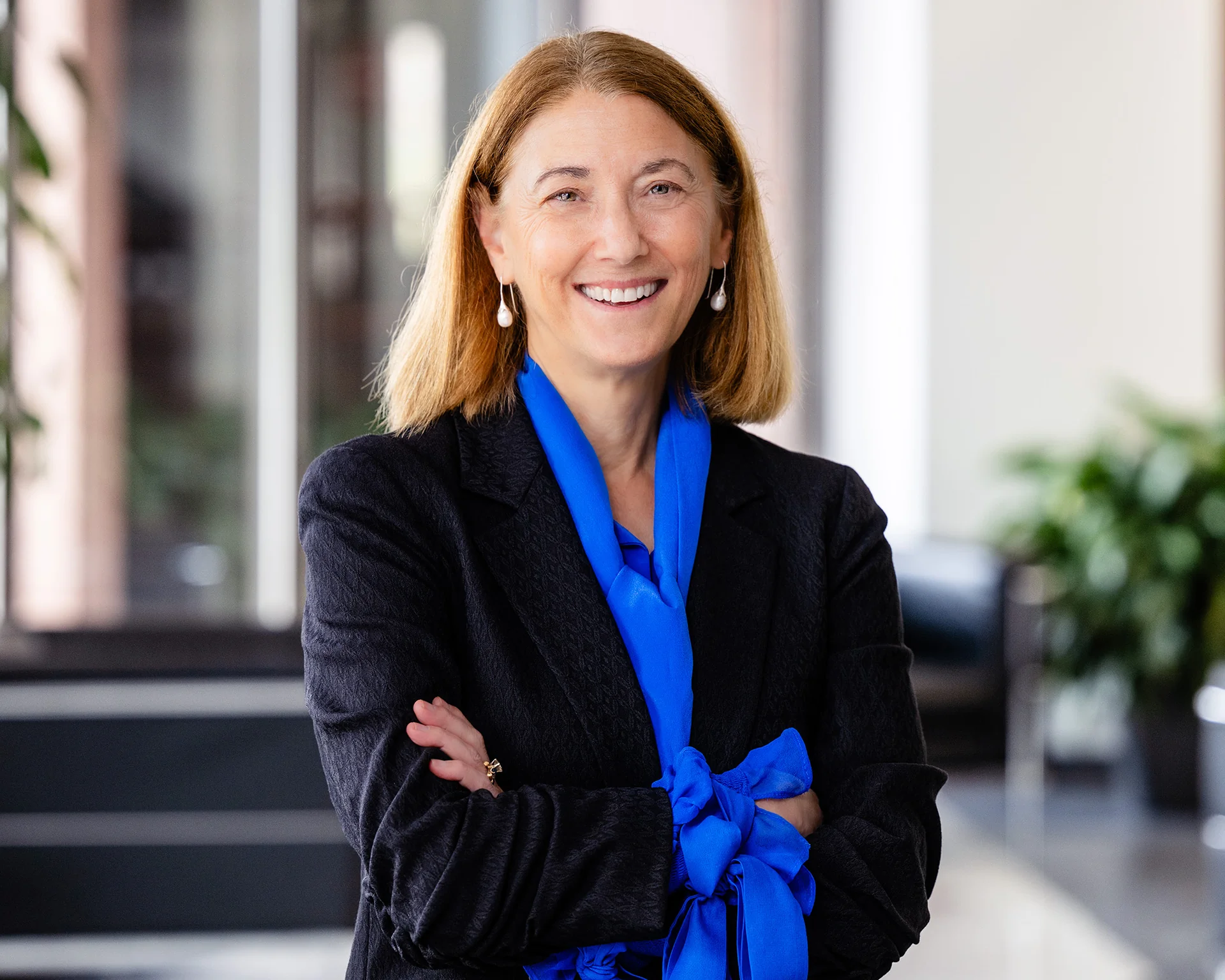
Dana Gelb Safran Former President & CEONational Quality ForumHealth Tech & Solutions
Dana Gelb Safran
Former President & CEONational Quality Forum
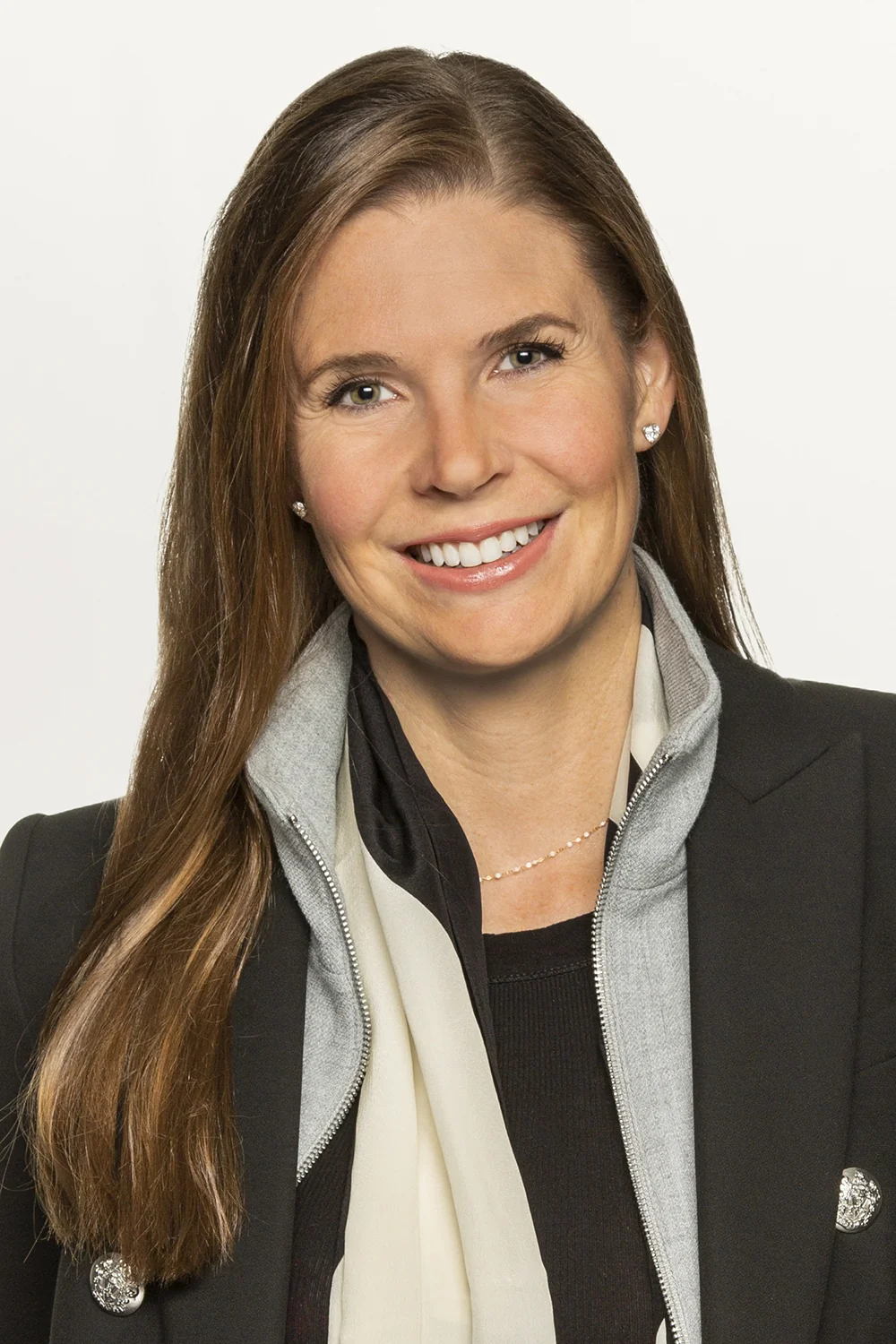
Erin Satterwhite CEO, Optum Insight ProviderOptumHealth System & Providers
Erin Satterwhite
CEO, Optum Insight ProviderOptum
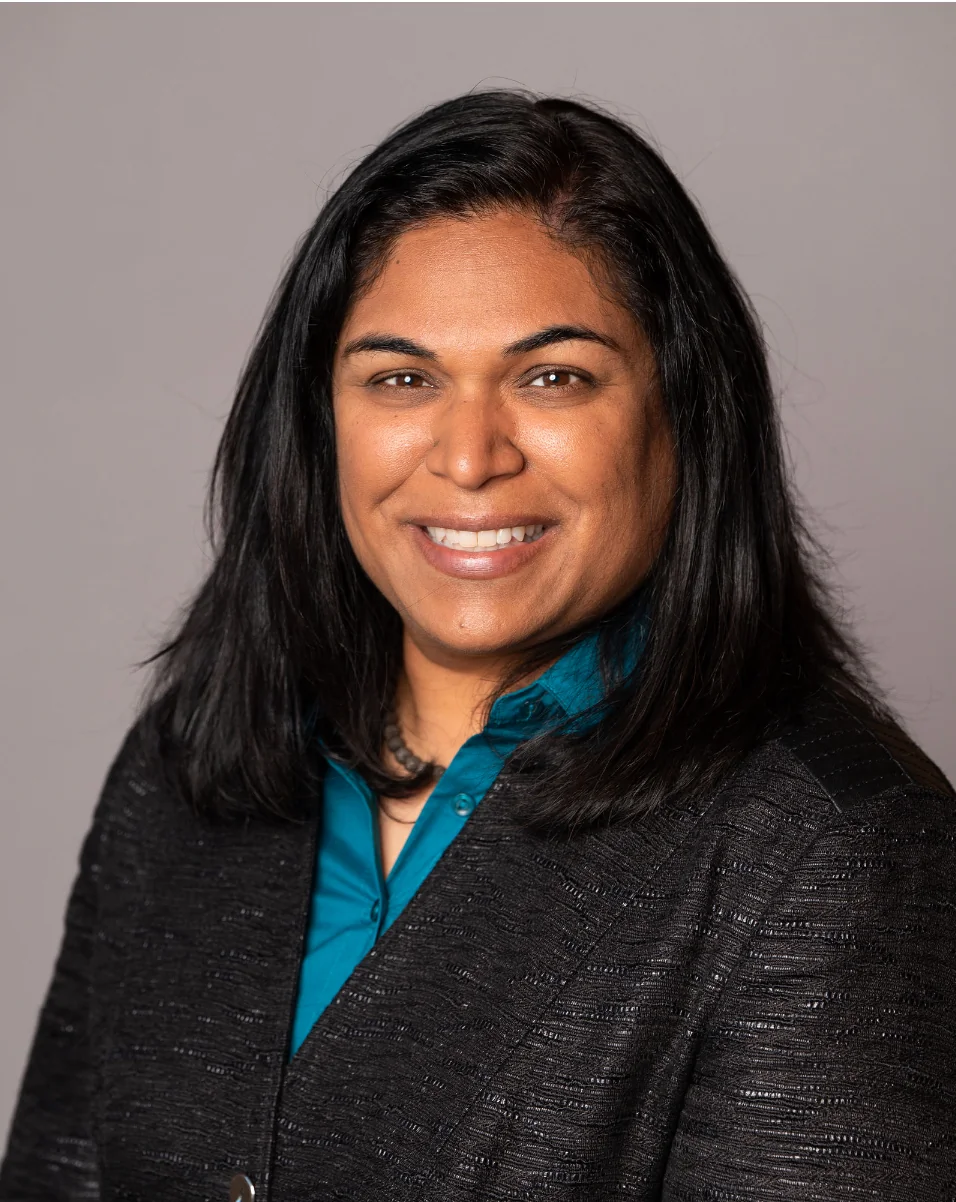
Komal Bajaj ProfessorAlbert Einstein College of MedicineNon Profit & Academia
Komal Bajaj
ProfessorAlbert Einstein College of Medicine
Lenard Marcus General PartnerEdison PartnersInvestor & Accelerators
Lenard Marcus
General PartnerEdison Partners
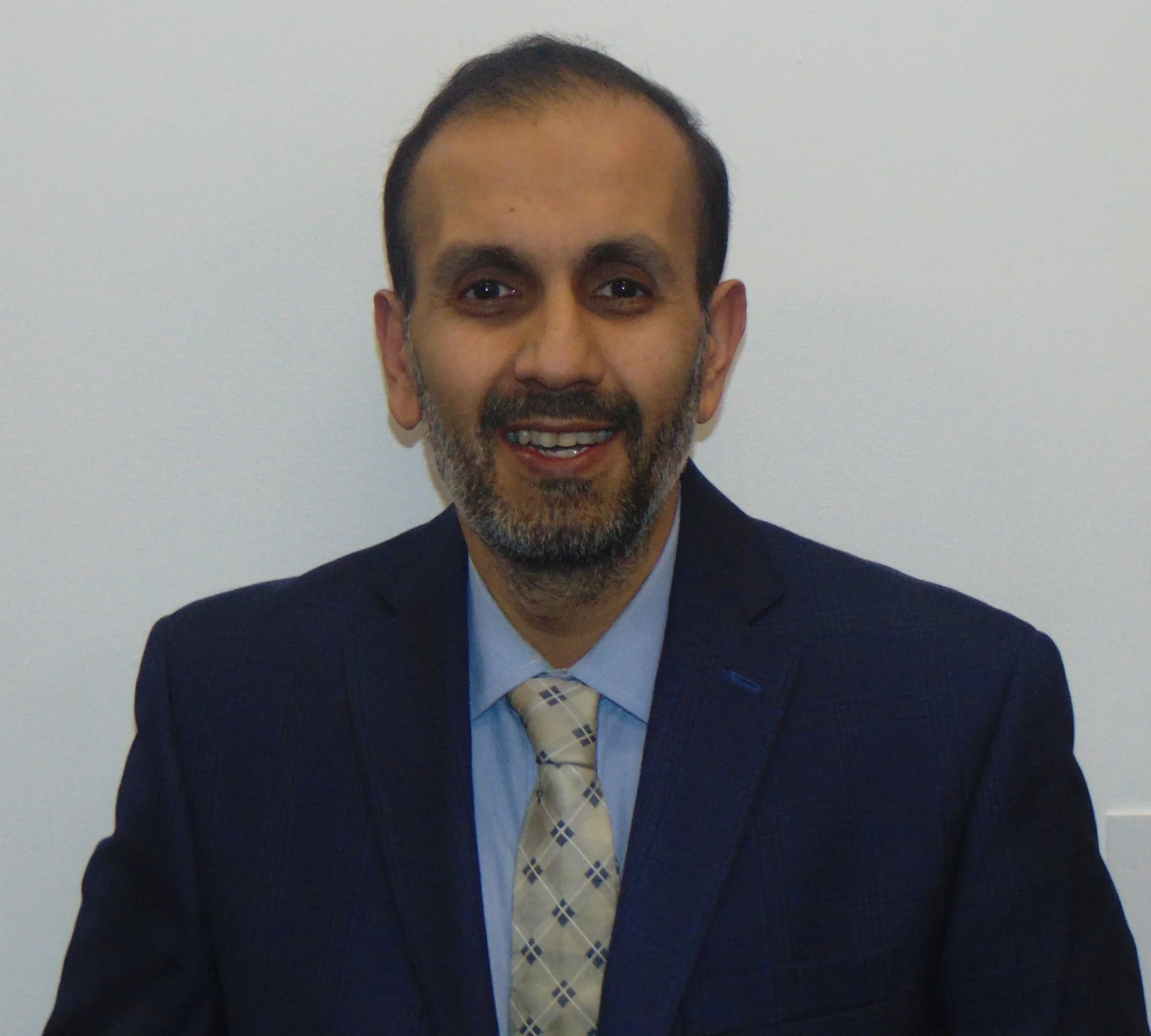
Vik Wadhwani Chief Product & Transformation OfficerNCQANon Profit & Academia
Vik Wadhwani
Chief Product & Transformation OfficerNCQA