Specialty care remains one of the biggest black boxes in healthcare, creating delays, unnecessary referrals, and major frustration for both patients and primary care providers.
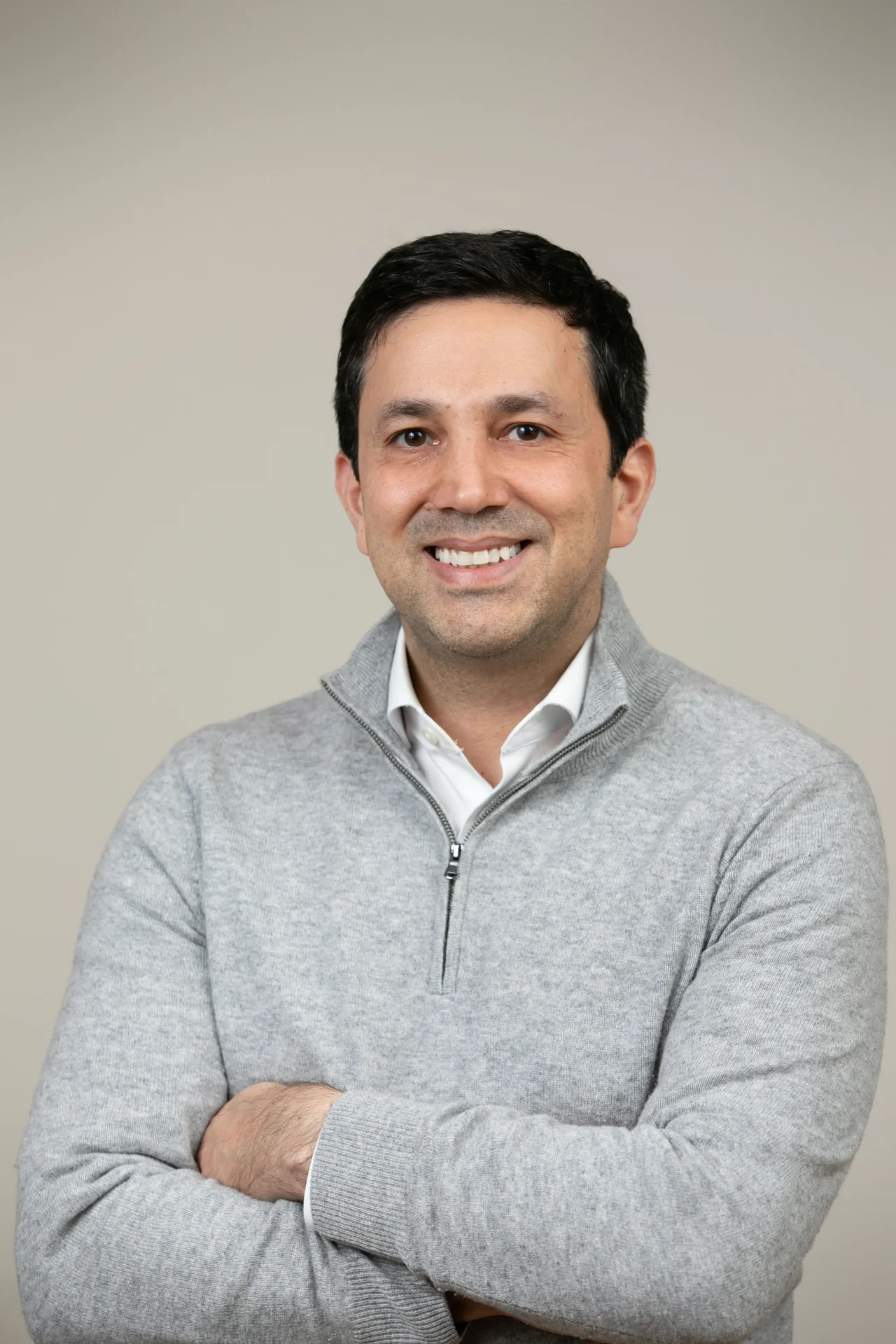
In this episode, Reza Sanai, co-CEO and co-founder of PicassoMD, discusses how his team is helping primary care providers access specialist expertise in near-real time while also improving the referral process when specialty care is truly needed. He explains why specialty access often breaks down at the point of care, how fragmented provider data makes navigation more difficult, and why better coordination between primary care and specialists can reduce unnecessary ER visits, improve triage, and speed access to the right care. Reza also shares how PicassoMD is supporting rural and underserved communities, why visibility into the patient journey matters so much, and how thoughtful partnerships are essential to making innovation work in real healthcare settings.
Tune in and learn how smarter specialist access could help close one of healthcare’s most persistent care coordination gaps!
About Reza Sanai:
Reza Sanai, MD, FACC, is the co-CEO and founder of PicassoMD, a platform that gives primary care providers real-time access to a network of value-based specialists across major disciplines. Through curbside consultations and referral support, PicassoMD helps reduce unnecessary referrals and ER visits while improving care transitions, patient experience, and outcomes. In addition to leading PicassoMD, Reza has served in advisory roles with Mighty Health and VIDA Fitness & Aura Spa, and was previously a co-managing partner at Cardiocare LLC. He earned his Doctor of Medicine from The George Washington University School of Medicine and Health Sciences, where he was a member of the AOA Honor Society.
Things You’ll Learn:
Specialty care often functions like a black box, making it harder for primary care providers to get timely input and coordinate the next step for patients.
Real-time access to specialists can help primary care providers make better decisions, reduce unnecessary referrals, and avoid preventable ER visits.
Referral quality depends on more than specialty type alone, since factors like language, mission fit, geography, and appointment availability all shape patient access.
Rural and underserved communities benefit when technology connects providers and patients with specialist expertise that may not be available locally.
Successful healthcare innovation depends not just on the product itself, but on strong partnerships and an iterative approach to implementation.
Resources: