


11 Jul 2022 | 02:45 PM GMT
Past MeetingOncology Digital Health: Evidence Requirements from Payers and Regulatory Bodies
Participants:
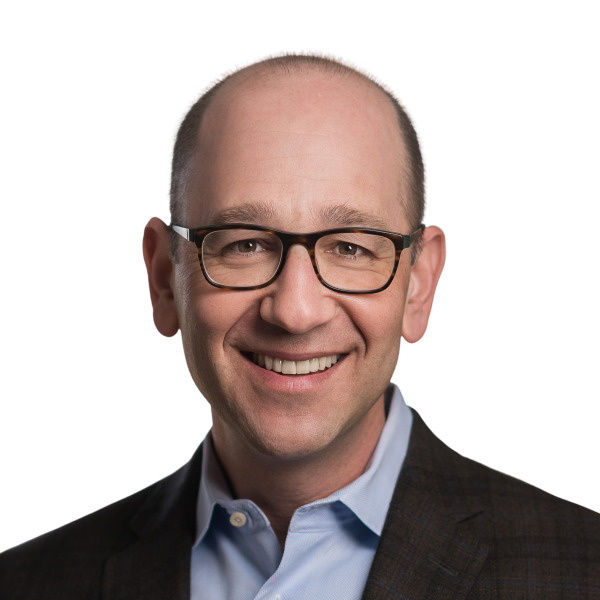
Andrew Norden Chief Medical OfficerOncoHealthHealth Tech & Solutions
Andrew Norden
Chief Medical OfficerOncoHealth
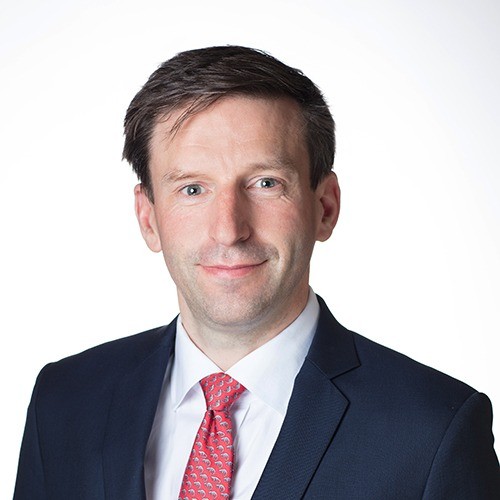
Kevin Darcy DirectorVeeva LinkOther
Kevin Darcy
DirectorVeeva Link
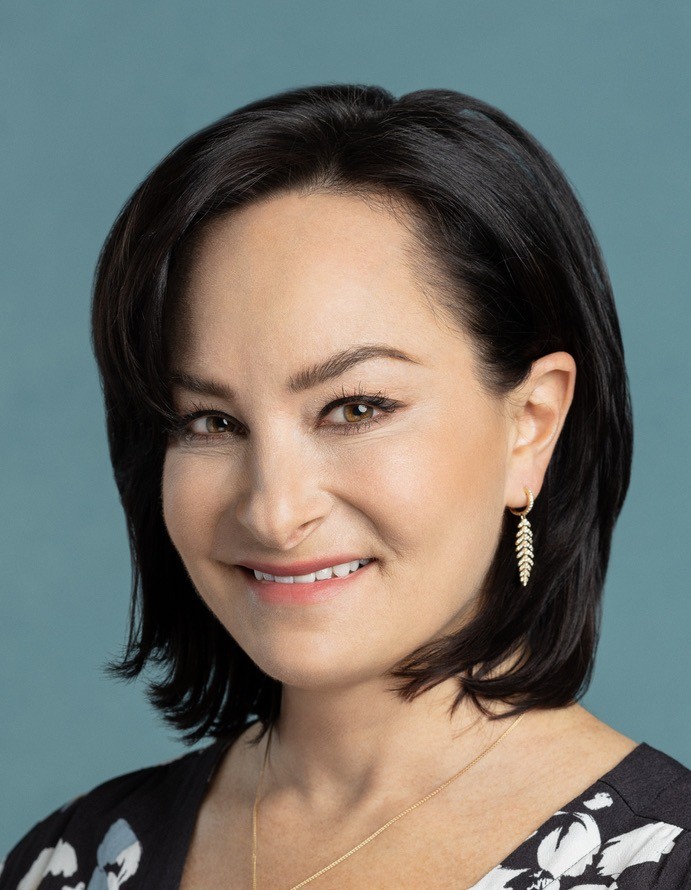
Carole Tremonti VP Clinical Operations & StrategySimBioSys
Carole Tremonti
VP Clinical Operations & StrategySimBioSys
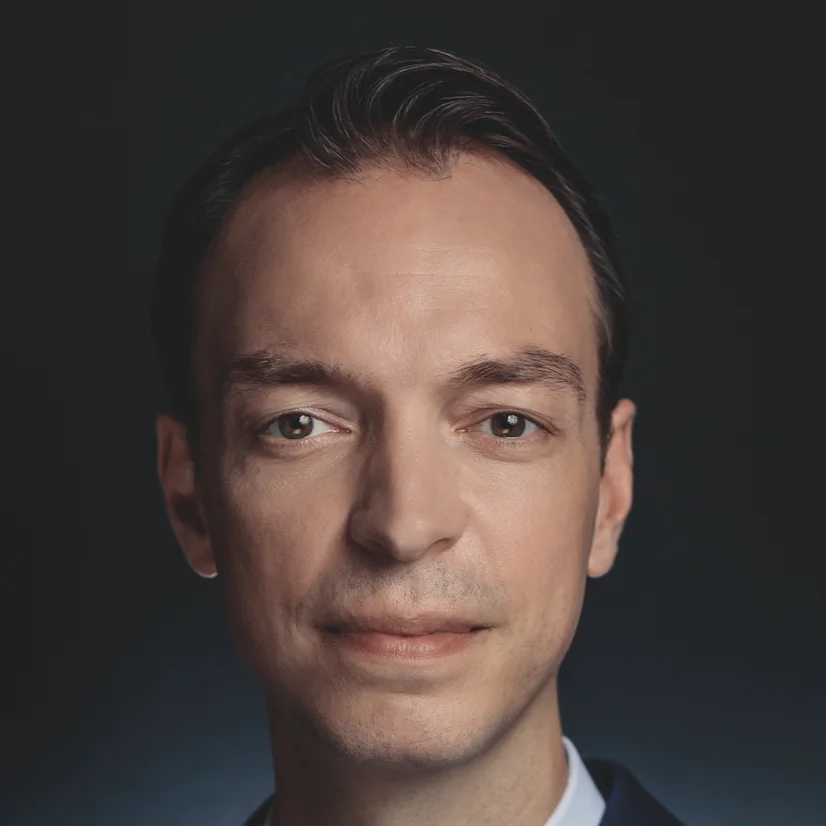
Gandolf Finke CEOSynagenOther
Gandolf Finke
CEOSynagen
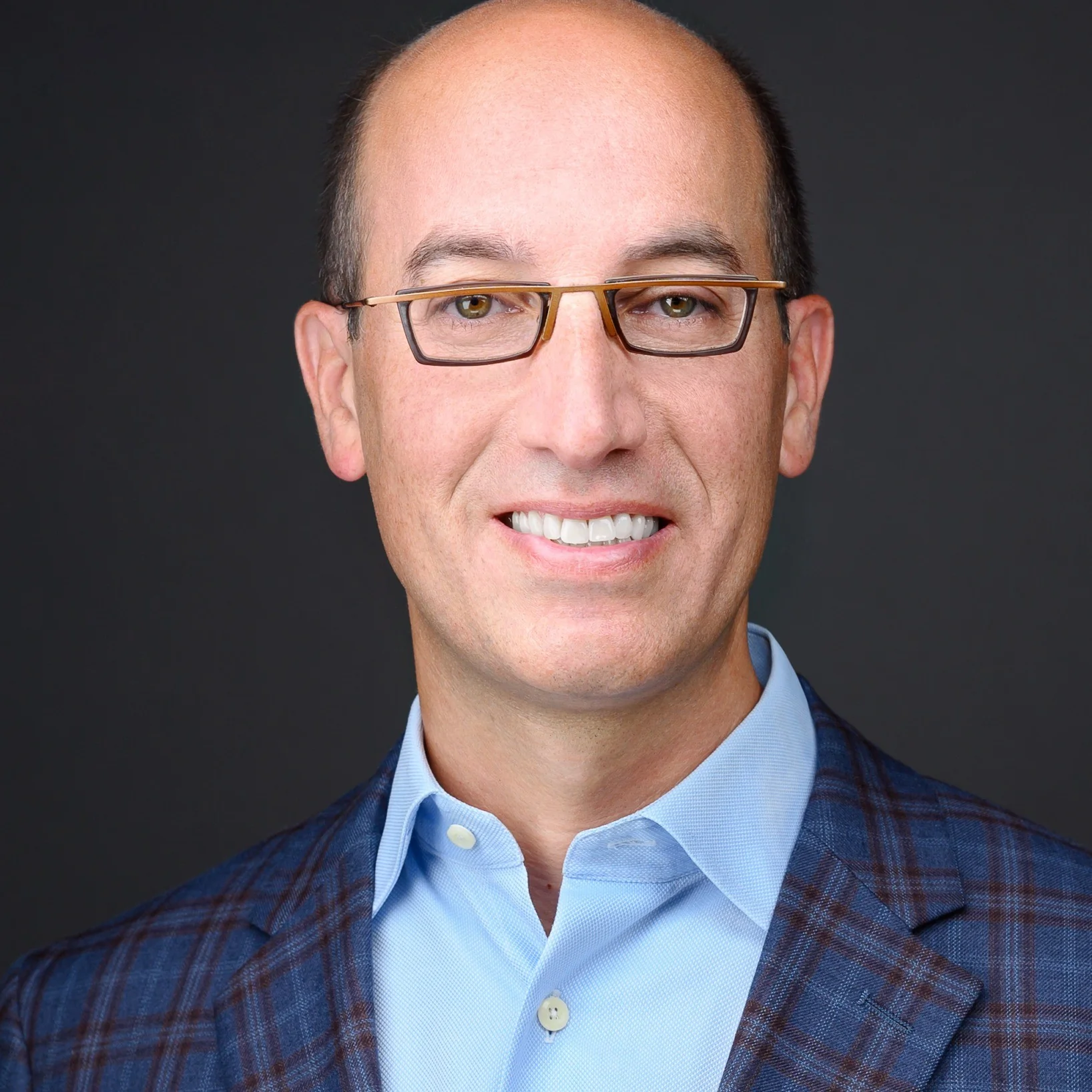
Jeremy Sohn Jeremy Sohn Managing partnerP74 VenturesInvestor & Accelerators
Jeremy Sohn Jeremy Sohn
Managing partnerP74 Ventures
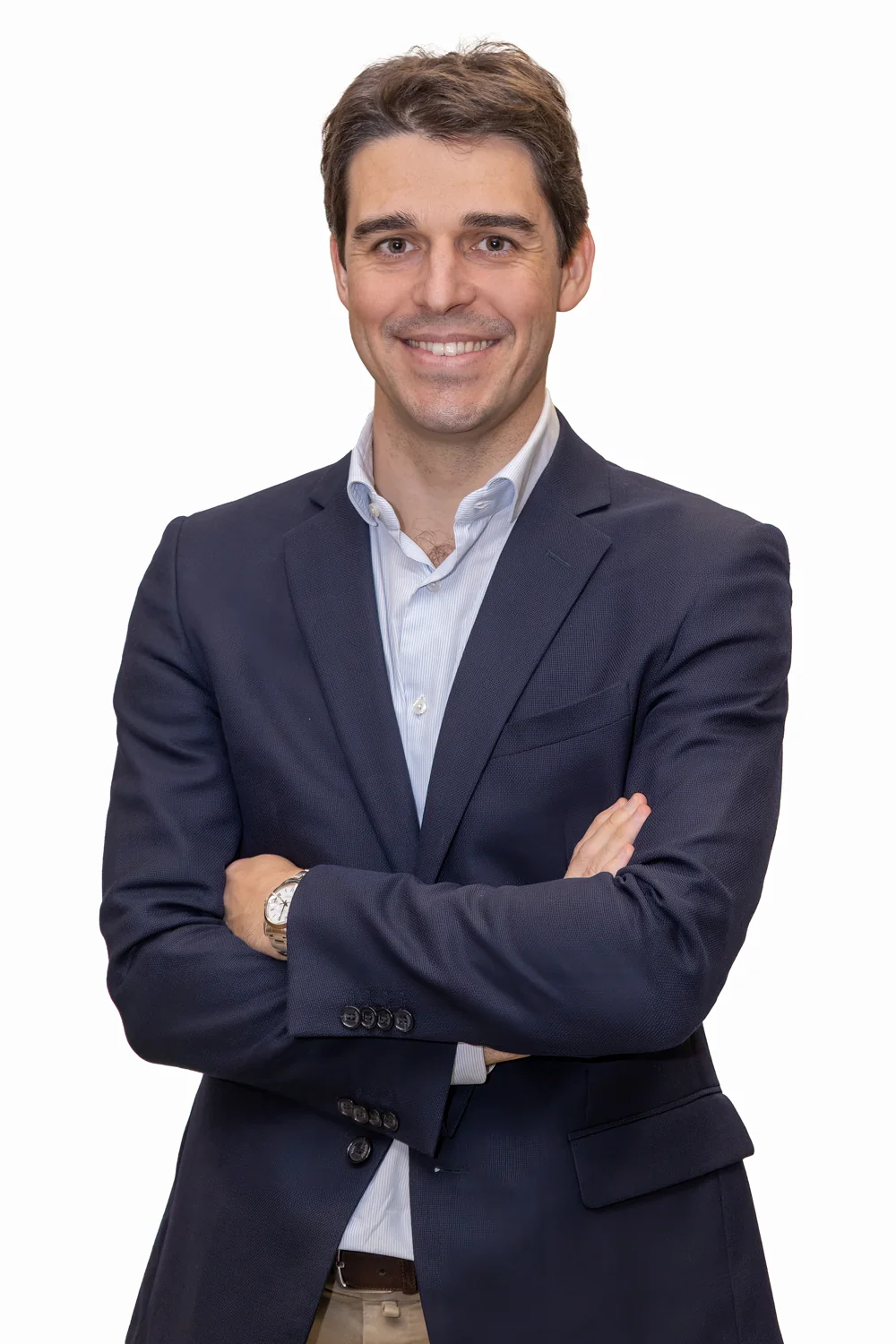
Jordi Ferrer PartnerShip2B VenturesInvestor & Accelerators
Jordi Ferrer
PartnerShip2B Ventures
Luis Fernandez Luque Chief Scientific OfficerAdhera HealthStartup
Luis Fernandez Luque
Chief Scientific OfficerAdhera Health

Seema Dadhania CRUK Convergence Science Clinical PhD FellowImperial College London
Seema Dadhania
CRUK Convergence Science Clinical PhD FellowImperial College London