

22 Apr 2026 | 03:00 PM GMT
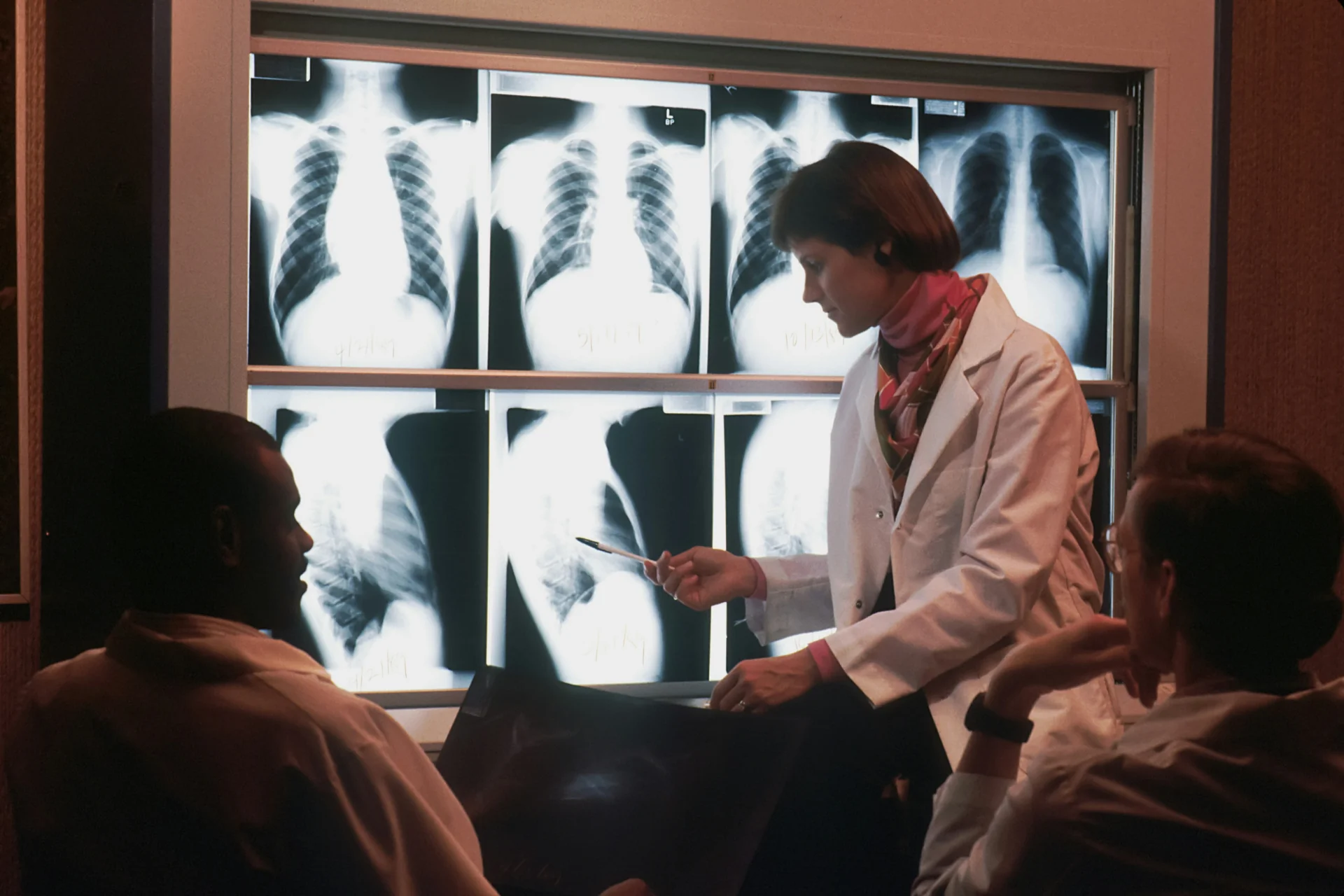
Healthcare AI Beyond Image Analysis and the Radiology Reading Room
Participants:

Amine Korchi Radiologist & Managing Partner3R Swiss Imaging Network + Singularity Consulting

Amine Korchi
Radiologist & Managing Partner3R Swiss Imaging Network + Singularity Consulting
Jan Beger Head of AI AdvocacyGE HealthCare
Jan Beger
Head of AI AdvocacyGE HealthCare
Agata Krason Clinical Imaging Data ScientistRoche
Agata Krason
Clinical Imaging Data ScientistRoche
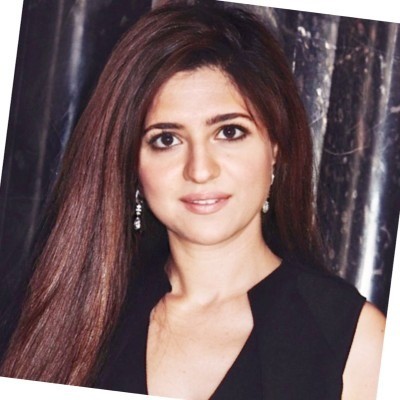
Amanda Isaac DoctorKcl
Amanda Isaac
DoctorKcl
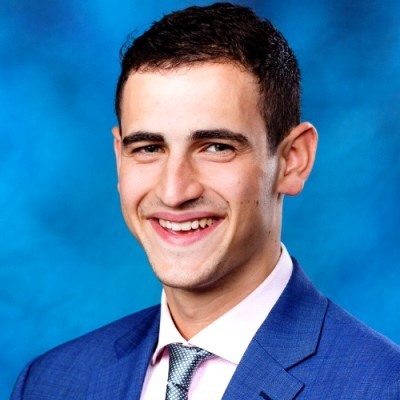
Eric M. Goldberg Imaging Account ExecutiveGE HealthCare
Eric M. Goldberg
Imaging Account ExecutiveGE HealthCare
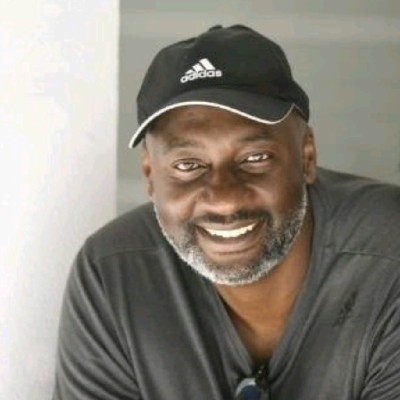
Fungayi Murape DirectorTransplexes Pty Ltd
Fungayi Murape
DirectorTransplexes Pty Ltd
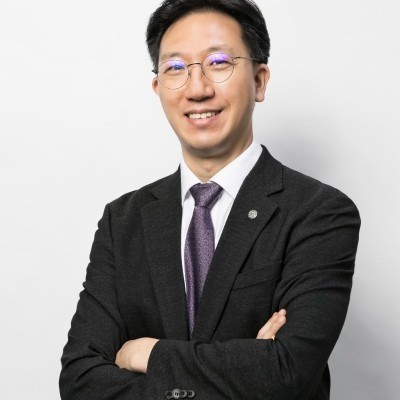
Il Kyu Cho Senior VPBarreleye
Il Kyu Cho
Senior VPBarreleye
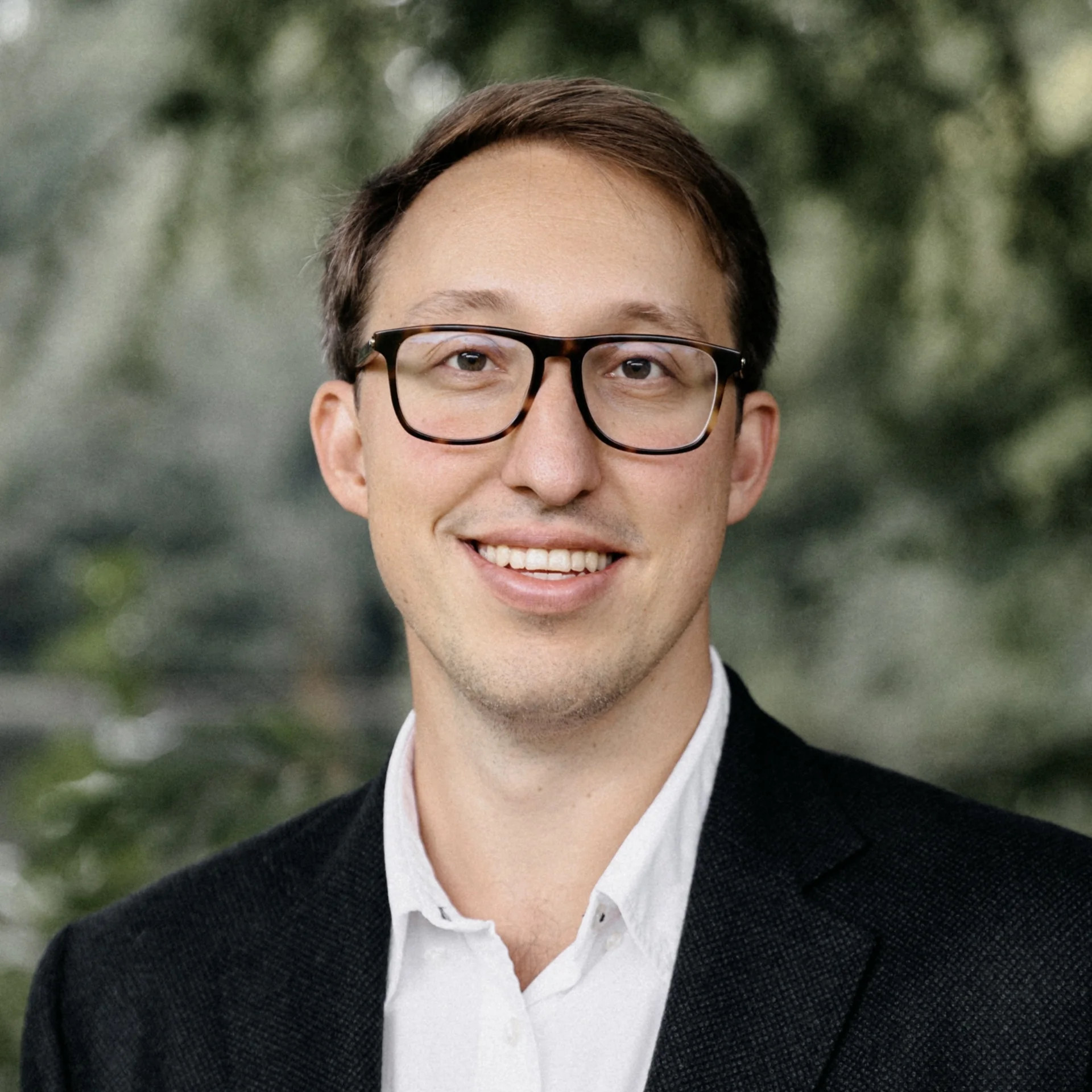
Ilya Burkov Global Head of Healthcare & LifesciencesNebius

Ilya Burkov
Global Head of Healthcare & LifesciencesNebius
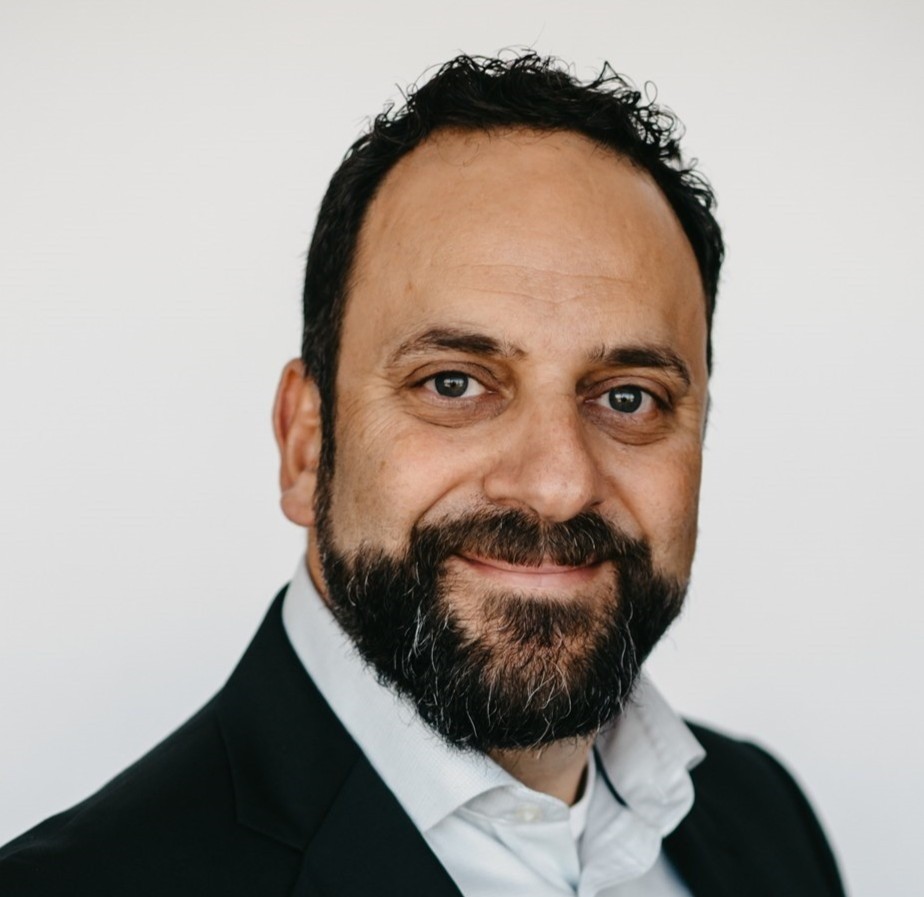
Imad Nijim CEO, DirectorAdvaHealth
Imad Nijim
CEO, DirectorAdvaHealth
Ines del Val AI Strategy & DevelopmentHospital Sant Pau
Ines del Val
AI Strategy & DevelopmentHospital Sant Pau
Khadiga Elshamarka Business Development ManagerHLTH
Khadiga Elshamarka
Business Development ManagerHLTH
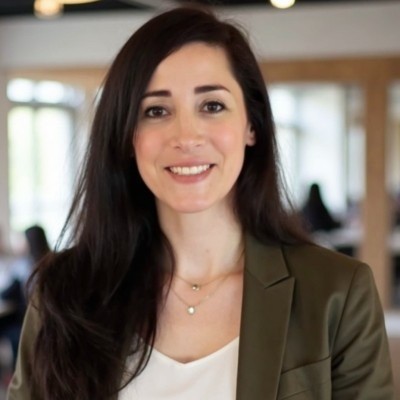
kinda chebib Research LeadHumane Intelligence
kinda chebib
Research LeadHumane Intelligence
Liping Wu Global Regulatory Affairs Associate DirectorKenvue
Liping Wu
Global Regulatory Affairs Associate DirectorKenvue
Maan Aboushawish Solutions ArchitectSiemens
Maan Aboushawish
Solutions ArchitectSiemens
Manisha Khadge Chief Marketing OfficerMindbowser
Manisha Khadge
Chief Marketing OfficerMindbowser
Matthew Liptrot Design Control SpecialistAgilent
Matthew Liptrot
Design Control SpecialistAgilent
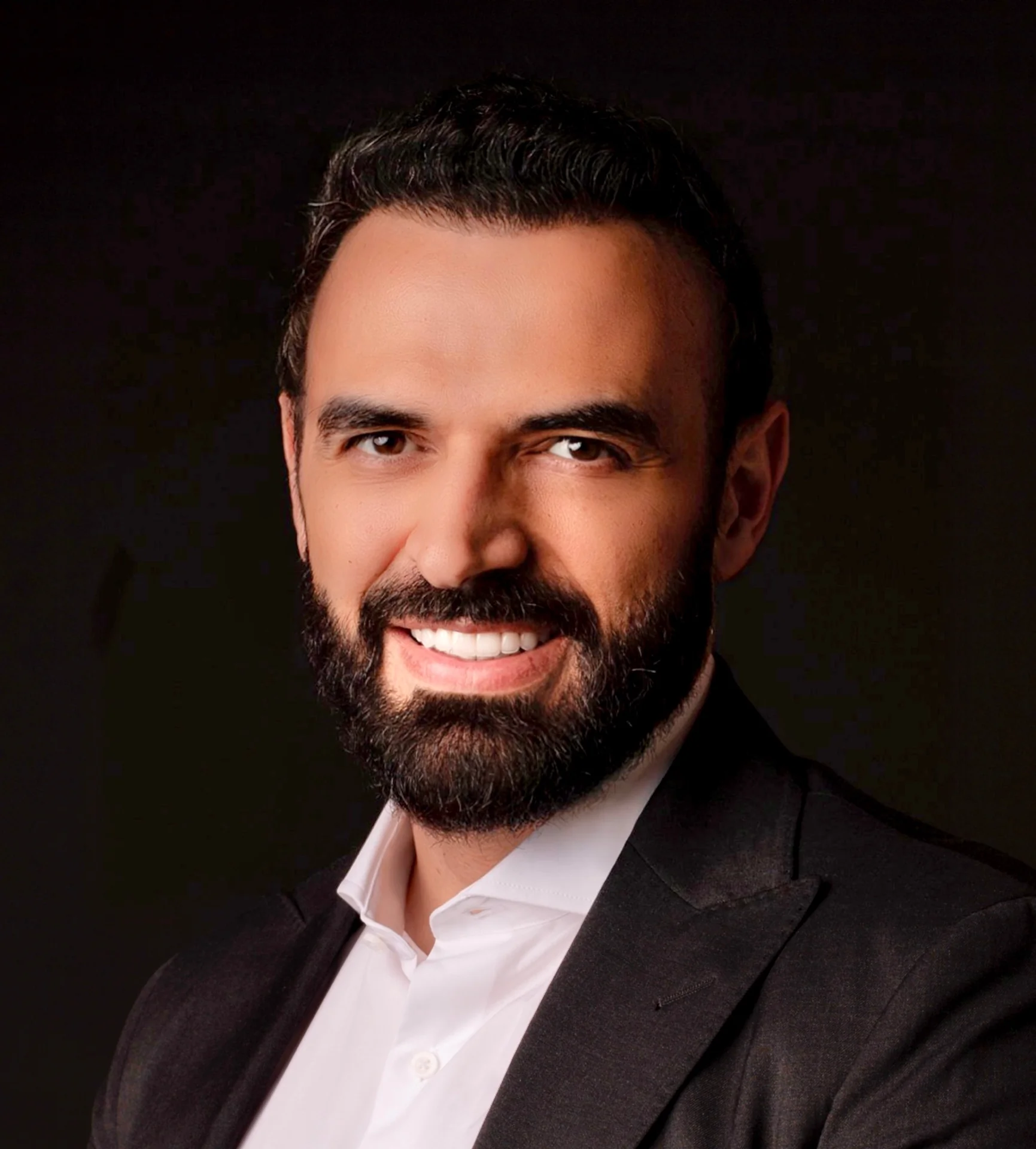
Mohammad Musleh Digital Service ManagerBaxter
Mohammad Musleh
Digital Service ManagerBaxter
Namish Patil Teaching Assistantship Indian Institute Of Technology, Indore
Namish Patil
Teaching Assistantship Indian Institute Of Technology, Indore
Philipp Steiger MDSelf empoloyed
Philipp Steiger
MDSelf empoloyed
Prachee Kulkarni Senior Fertility Specialist Ferty9 Fertility Center
Prachee Kulkarni
Senior Fertility Specialist Ferty9 Fertility Center
Premi Mohanavelu Project ManagerEpic Systems
Premi Mohanavelu
Project ManagerEpic Systems

Rachel Francine CEO & Co-FounderSingFit
Rachel Francine
CEO & Co-FounderSingFit
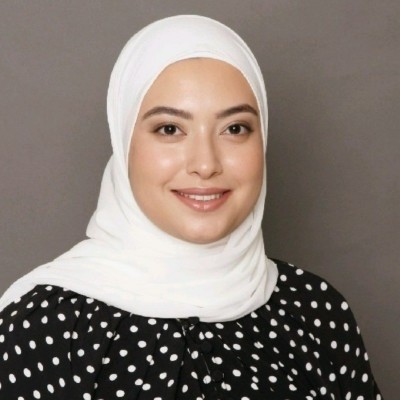
Raneem Sheronick Data SpecialistUniversity of Calgary
Raneem Sheronick
Data SpecialistUniversity of Calgary
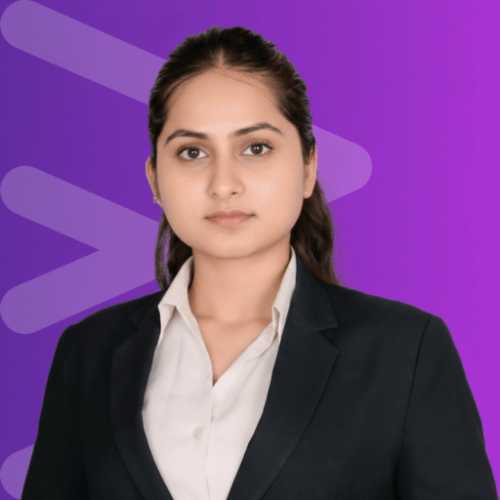
Sakshi Gholap Community Engagement PartnerMindbowser
Sakshi Gholap
Community Engagement PartnerMindbowser
Sara Carvalho InternACSS
Sara Carvalho
InternACSS
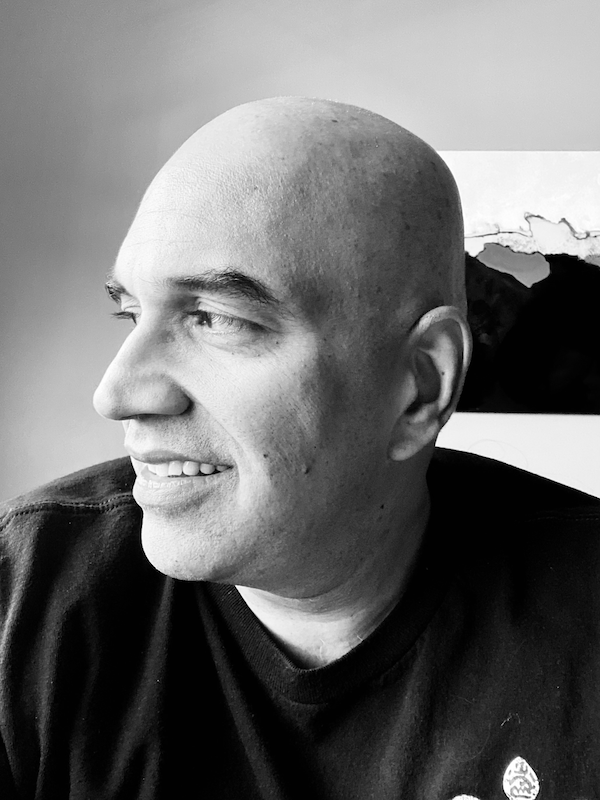
Srinivas Nimmagadda CEOACUITYhealth
Srinivas Nimmagadda
CEOACUITYhealth
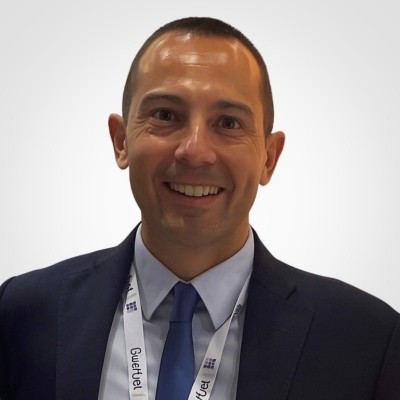
Stefano Fortunato Business Development Manager DSGuerbet
Stefano Fortunato
Business Development Manager DSGuerbet
Tiago Oliveira IT Radiology & AI ManagerUnilabs
Tiago Oliveira
IT Radiology & AI ManagerUnilabs
Vivek Gangaramani FounderVerioHealth.AI
Vivek Gangaramani
FounderVerioHealth.AI