


04 Aug 2022 | 02:45 PM GMT
Past MeetingSprint: How to Overcome the Blockers to DTx Adoption and Measure Success? (Part 1)
Anchored by:
Participants:
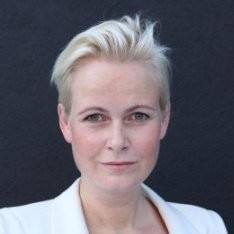
Mette Dyhrberg Founder & CEOMymee
Mette Dyhrberg
Founder & CEOMymee

Jo Peddhinti AdvisoryHLTH CommunityHealth Tech & Solutions
Jo Peddhinti
AdvisoryHLTH Community

Adriano Garcez Director, DTx/SaMD Evidence GenerationZS Associates
Adriano Garcez
Director, DTx/SaMD Evidence GenerationZS Associates

Dr. Nick (Nemanja) Kovacev Head of Healthcare and Life Sciences PracticeHTEC GroupHealth Tech & Solutions
Dr. Nick (Nemanja) Kovacev
Head of Healthcare and Life Sciences PracticeHTEC Group

Hannes Klöpper FounderHelloBetterStartup
Hannes Klöpper
FounderHelloBetter
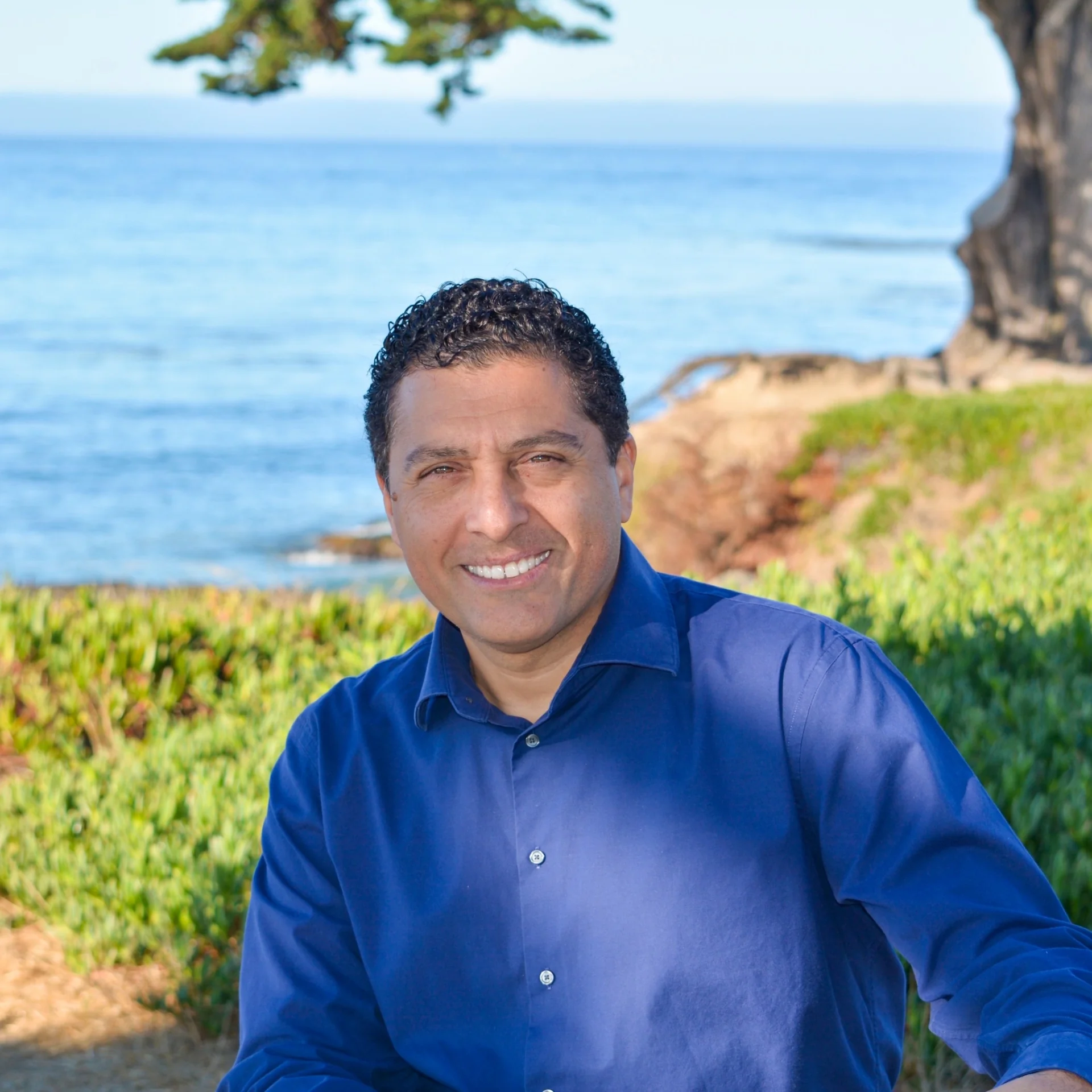
Ricardo C. Berrios Co-Founder & CEOAdhera Health, Inc.Startup
Ricardo C. Berrios
Co-Founder & CEOAdhera Health, Inc.
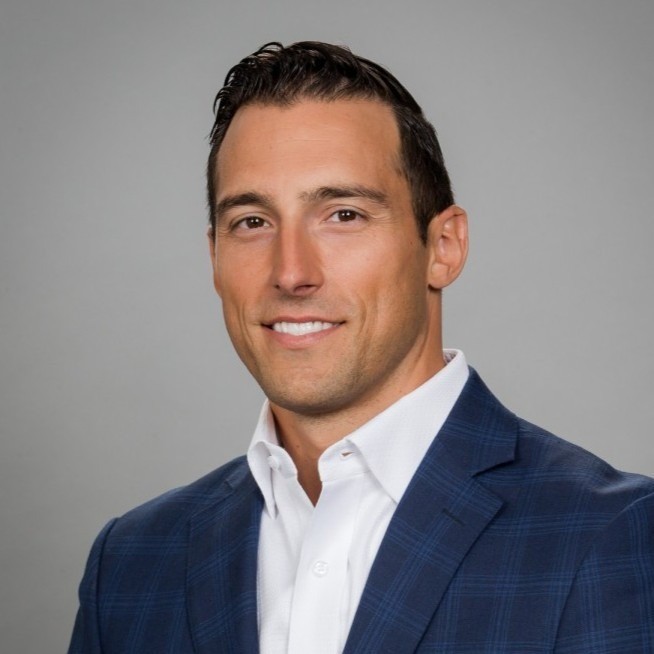
Rich DeNunzio Chief Commercial OfficerClick TherapeuticsHealth Tech & Solutions
Rich DeNunzio
Chief Commercial OfficerClick Therapeutics
Richie Bavasso PresidentPneumoWave
Richie Bavasso
PresidentPneumoWave