


20 Oct 2022 | 02:45 PM GMT
Past MeetingThe Drop in DTx Investments: What are the implications
Anchored by:
Participants:

Ed Kliphuis PartnerSofinnova PartnersInvestor & Accelerators
Ed Kliphuis
PartnerSofinnova Partners

Aahuti Rai Health Innovation Leader & Venture PartnerFour Points HealthHealth Tech & Solutions
Aahuti Rai
Health Innovation Leader & Venture PartnerFour Points Health
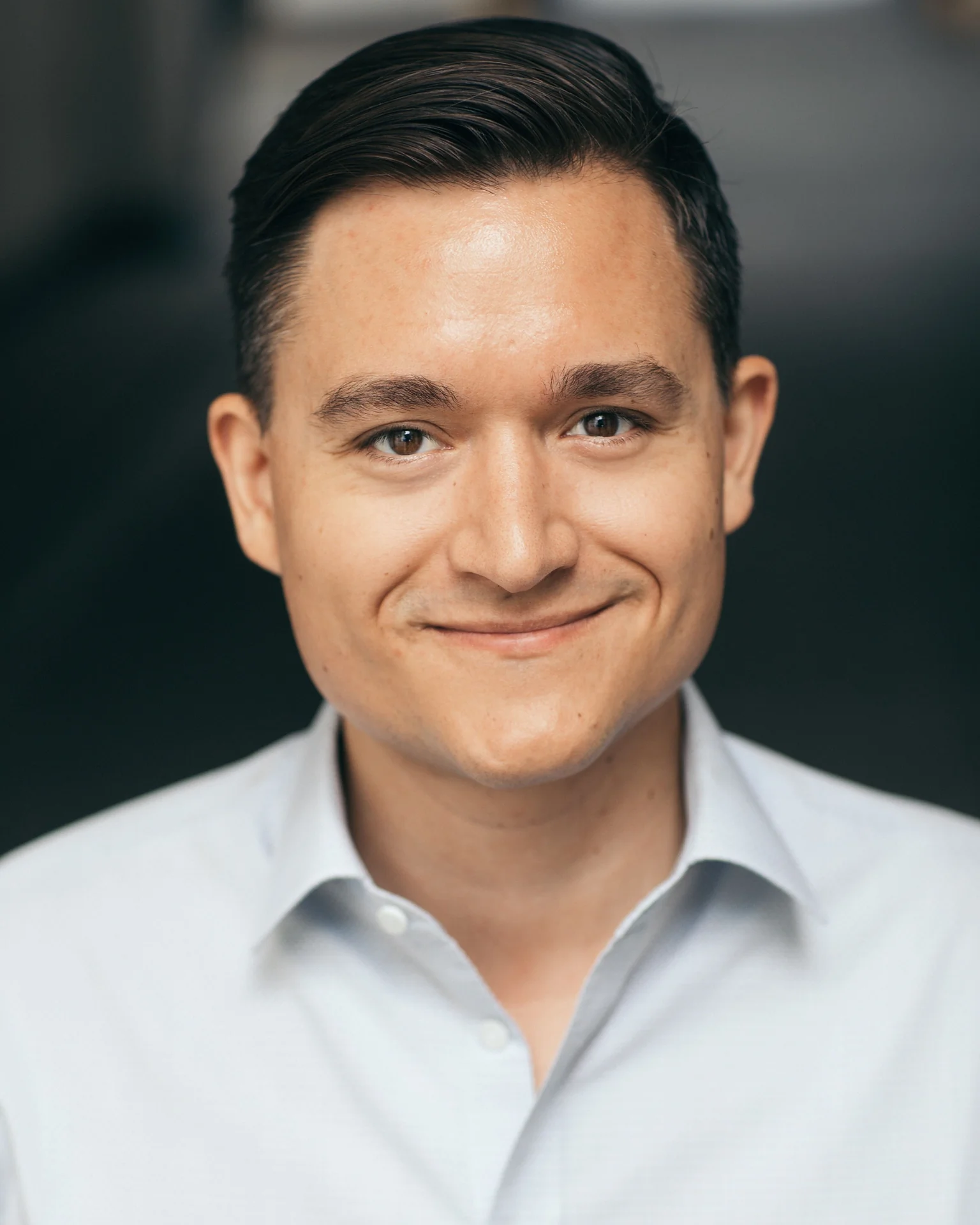
Alex Merwin Head of Growth, Healthcare StartupsAmazon Web ServicesHealth Tech & Solutions
Alex Merwin
Head of Growth, Healthcare StartupsAmazon Web Services

Jeff Wandzura CEOKEEP LabsStartup
Jeff Wandzura
CEOKEEP Labs

Piotr Sokolowski Chief Medtech StrategistS3 Connected HealthProfessional Services
Piotr Sokolowski
Chief Medtech StrategistS3 Connected Health
Stephen Egan DirectorRediCare
Stephen Egan
DirectorRediCare

Stephen Egan DirectorRedicare
Stephen Egan
DirectorRedicare

Zina Manji Founder/Principal, Regulatory StrategistInnopathwayz, LLCLife Sciences, Pharma & Biotech
Zina Manji
Founder/Principal, Regulatory StrategistInnopathwayz, LLC