


23 Jul 2024 | 03:00 PM GMT
Past MeetingThe Role of GenAI Across the Clinical Trial Landscape
Participants:

Craig Lipset Co-ChairDecentralized Trials & Research AllianceNon Profit & Academia
Craig Lipset
Co-ChairDecentralized Trials & Research Alliance

Julie Carty Head of Strategy & GrowthHLTH CommunityOther
Julie Carty
Head of Strategy & GrowthHLTH Community
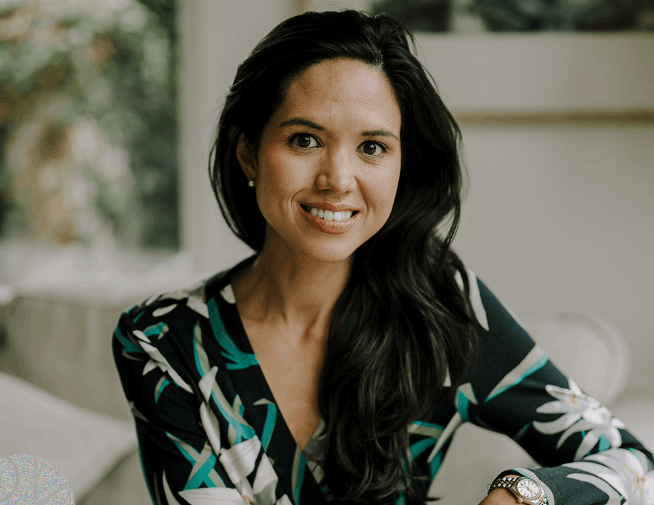
Alette Hunt Director of Digital InnovationNovartisLife Sciences, Pharma & Biotech
Alette Hunt
Director of Digital InnovationNovartis

Alexander Blood Director, Medical Operations and InnovationMass General BrighamOther
Alexander Blood
Director, Medical Operations and InnovationMass General Brigham

Christian Hein Executive AdvisorIndependentProfessional Services
Christian Hein
Executive AdvisorIndependent
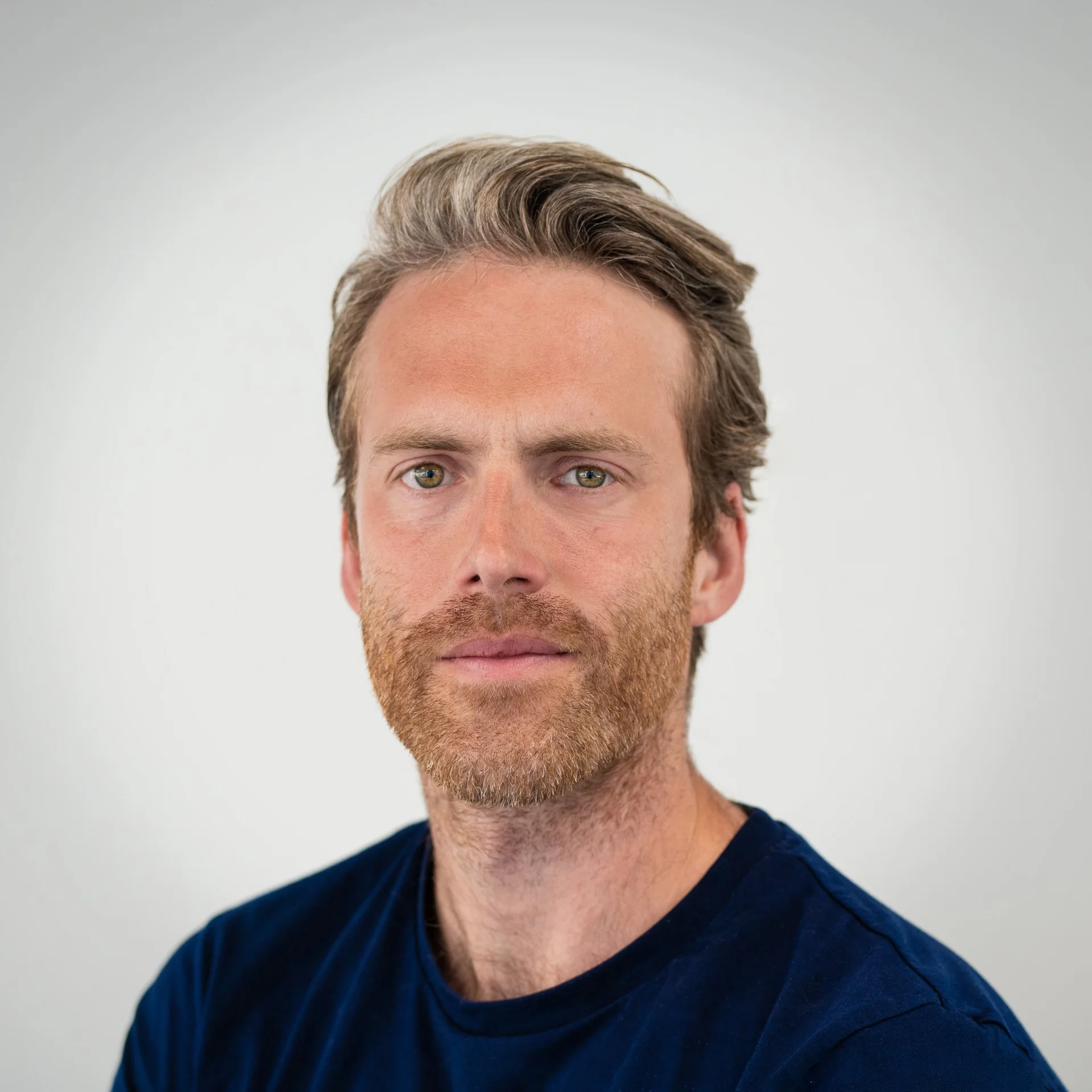
Derk Arts CEOCastorHealth Tech & Solutions
Derk Arts
CEOCastor

Georg van Husen Co-founder & CEOtenacioStartup
Georg van Husen
Co-founder & CEOtenacio

Hema Purohit Chief Architect for Healthcare EMEAMicrosoftHealth Tech & Solutions
Hema Purohit
Chief Architect for Healthcare EMEAMicrosoft
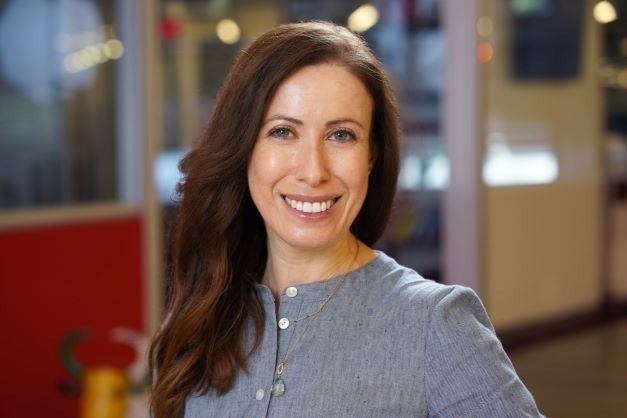
Julie Fishman EIRYale VenturesInvestor & Accelerators
Julie Fishman
EIRYale Ventures

Lisa Banks, PhD, MBA VP, Digital Health & InnovationGSKLife Sciences, Pharma & Biotech
Lisa Banks, PhD, MBA
VP, Digital Health & InnovationGSK
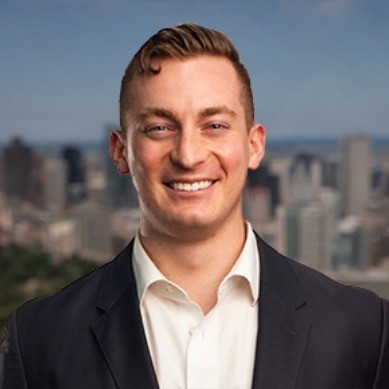
Richard Rogers Co-founder and Chief of StaffVeda TrialsOther
Richard Rogers
Co-founder and Chief of StaffVeda Trials
Vincent Lepreux Investment DirectorDebiopharm Innovation FundInvestor & Accelerators
Vincent Lepreux
Investment DirectorDebiopharm Innovation Fund