


Speakers:

Andrew Giessel Executive Director of AI EngineeringModernaLife Sciences, Pharma & Biotech
Andrew Giessel
Executive Director of AI EngineeringModerna

Christina Jenkins General PartnerPhoenix Venture PartnersOther
Christina Jenkins
General PartnerPhoenix Venture Partners
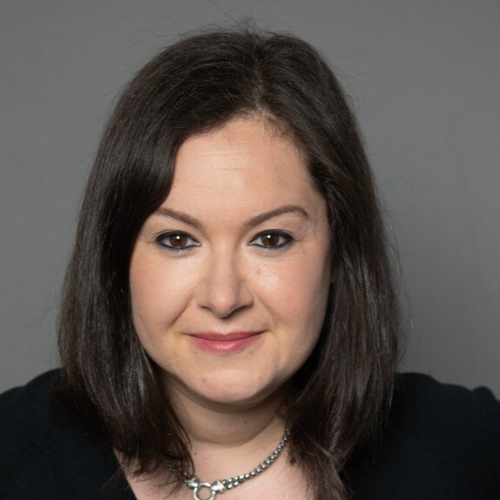
Mary Rozenman CFO/CBOinsitroLife Sciences, Pharma & Biotech
Mary Rozenman
CFO/CBOinsitro
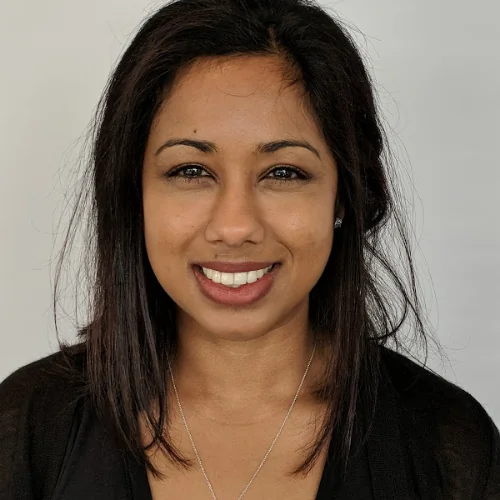
Nadia Harhen General Manager, AI SimulationSandboxAQHealth Tech & Solutions
Nadia Harhen
General Manager, AI SimulationSandboxAQ
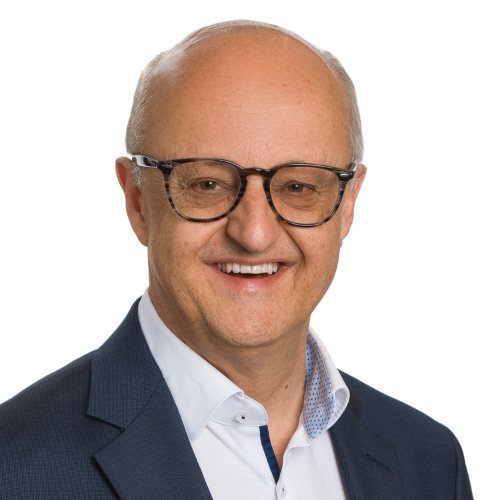
Uli Stilz Head of Bio Innovation HubNovo NordiskLife Sciences, Pharma & Biotech
Uli Stilz
Head of Bio Innovation HubNovo Nordisk