


Speakers:

Christina Farr Managing Director, Manatt HealthManatt, Phelps & Phillips, LLPProfessional Services
Christina Farr
Managing Director, Manatt HealthManatt, Phelps & Phillips, LLP
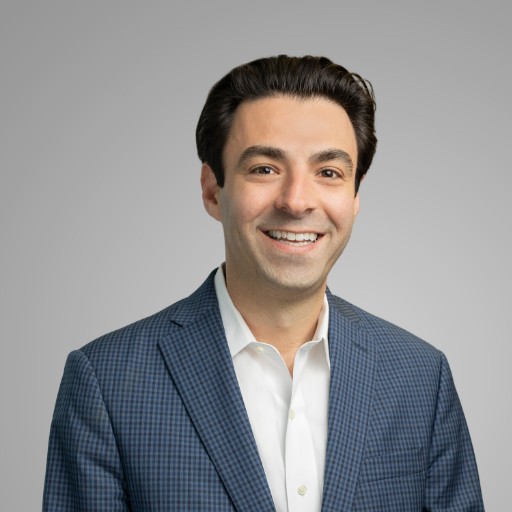
Daniel Stein President and Founder, Embold HealthChief Strategy Officer, Quantum HealthHealth Tech & Solutions
Daniel Stein
President and Founder, Embold HealthChief Strategy Officer, Quantum Health

Heather Dlugolenski SVP of Home Pharmacy and Virtual CareEvernorthHealth Tech & Solutions
Heather Dlugolenski
SVP of Home Pharmacy and Virtual CareEvernorth

Heather Dunn VP, Global Reward & HR TechnologyBrown-Forman CorporationProfessional Services
Heather Dunn
VP, Global Reward & HR TechnologyBrown-Forman Corporation