


09 Sep 2021 | 01:45 PM GMT
Past MeetingCan Digital Women’s Health go beyond D2C?
Participants:

Adimika Meadows Arthur CEO & Executive DirectorHealth Tech for Medicaid (HT4M)Health Tech & Solutions
Adimika Meadows Arthur
CEO & Executive DirectorHealth Tech for Medicaid (HT4M)

Rob Milnes CEOviO HealthTech
Rob Milnes
CEOviO HealthTech

Conor Hayes Co-Founder Techvie SoftwareMunster Technological University
Conor Hayes
Co-Founder Techvie SoftwareMunster Technological University

David Pettigrew CEOmy mhealthOther
David Pettigrew
CEOmy mhealth
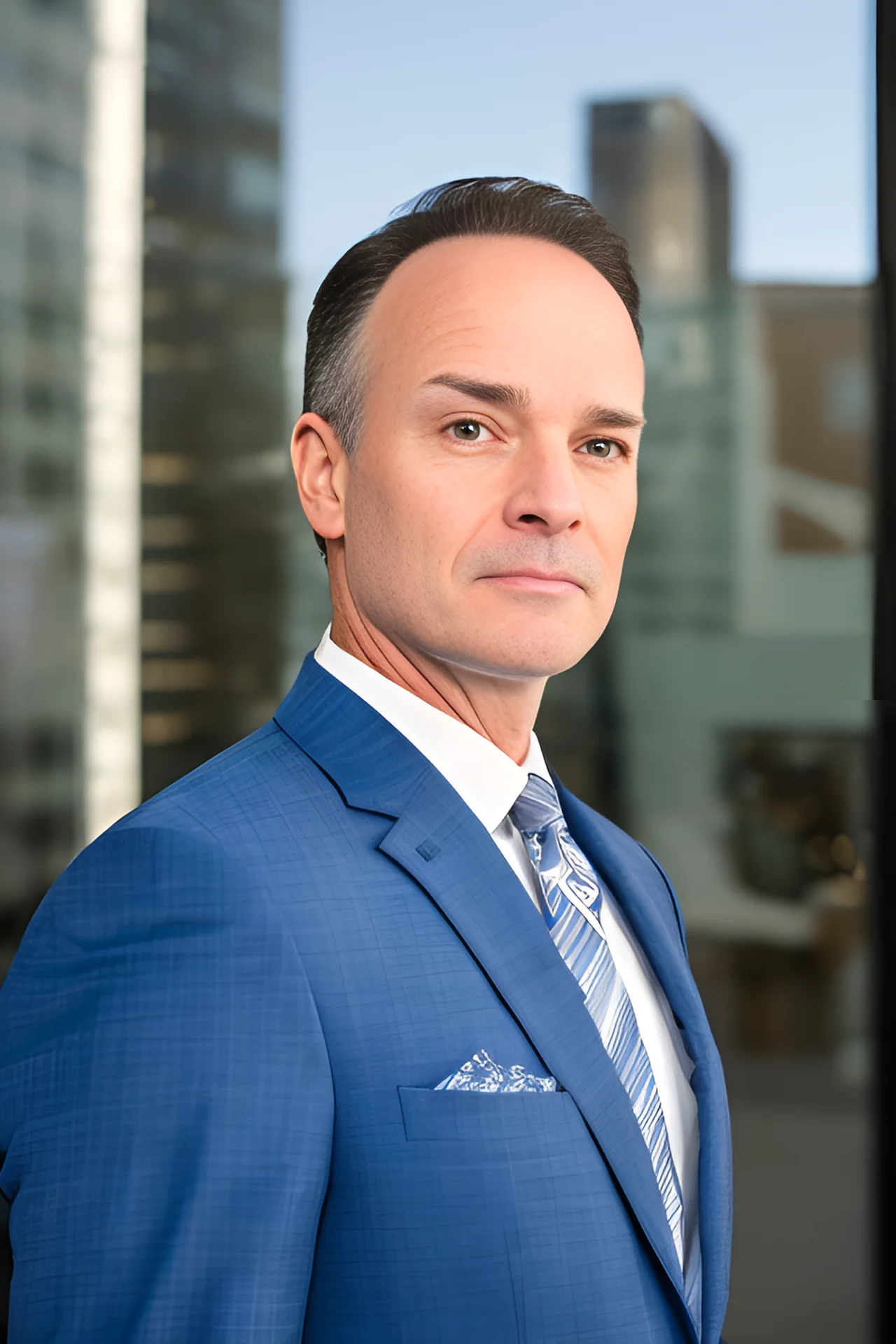
Karl Hess Senior AdvisorOutcome CapitalInvestor & Accelerators
Karl Hess
Senior AdvisorOutcome Capital
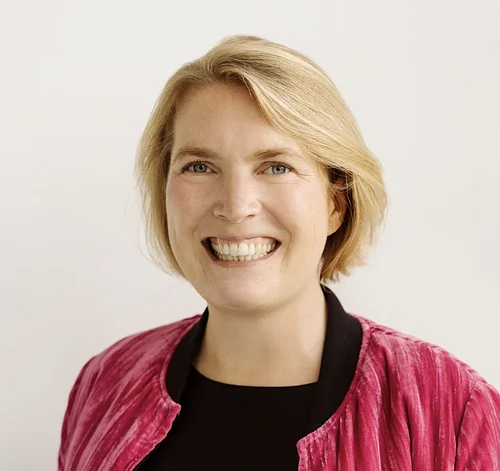
Lina Behrens Head of Strategy & Content, Director HTSHLTH EuropeProfessional Services
Lina Behrens
Head of Strategy & Content, Director HTSHLTH Europe

Lorel Sim Fractional CAIO (AI for Business)Rev Magic Lab
Lorel Sim
Fractional CAIO (AI for Business)Rev Magic Lab
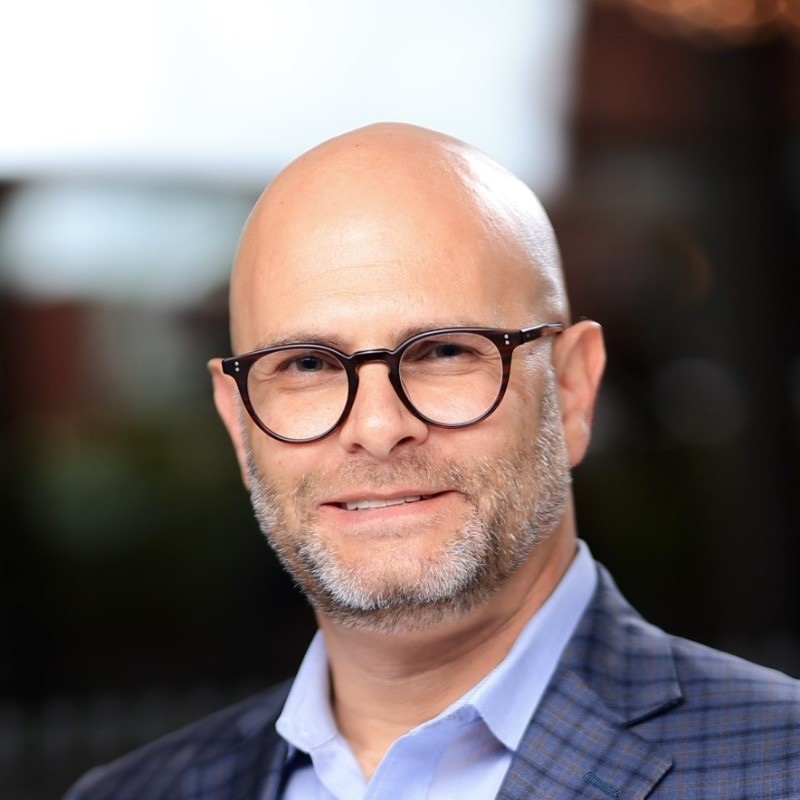

Robert Garber Managing Partner7wire VenturesInvestor & Accelerators
Robert Garber
Managing Partner7wire Ventures

Susanna Brandi Director of OperationsMerck KGaA
Susanna Brandi
Director of OperationsMerck KGaA