


18 Dec 2025 | 04:00 PM GMT
Past MeetingDiagnostics 2035: The Next Decade Of Testing Innovation
Anchored by:
Participants:
Eliad Josephson Diagnostics ExecutiveHLTHProfessional Services
Eliad Josephson
Diagnostics ExecutiveHLTH
Aahuti Rai Health-tech Exec | Venture Partner | ChairFour Points HealthHealth Tech & Solutions
Aahuti Rai
Health-tech Exec | Venture Partner | ChairFour Points Health

Alice Murphy Community ManagerHLTHOther
Alice Murphy
Community ManagerHLTH
Armando Ramirez National Sales DirectorGENinCodeLife Sciences, Pharma & Biotech
Armando Ramirez
National Sales DirectorGENinCode
Carlos Garcia Managing PartnerCMGIS AdvisorsHealth Tech & Solutions
Carlos Garcia
Managing PartnerCMGIS Advisors
Corentin Gondrand CEOQuantiLightStartup
Corentin Gondrand
CEOQuantiLight
David Filby FounderElevraProfessional Services
David Filby
FounderElevra
Douglas Runt Head of Digital InnovationZEISS Medical TechnologyHealth Tech & Solutions
Douglas Runt
Head of Digital InnovationZEISS Medical Technology
Elyse Stachler Staff ScientistBroad InstituteNon Profit & Academia
Elyse Stachler
Staff ScientistBroad Institute

Eric Thrailkill Executive Director, U.S. OperationsGlobal Health ConnectorNon Profit & Academia
Eric Thrailkill
Executive Director, U.S. OperationsGlobal Health Connector
Jan Vandenneucker Program Lead Digital Care TransformationUCB PharmaLife Sciences, Pharma & Biotech
Jan Vandenneucker
Program Lead Digital Care TransformationUCB Pharma
Jorge Juan Fernandez Garcia Chief Innovation OfficerHospital Clínic BarcelonaHealth System & Providers
Jorge Juan Fernandez Garcia
Chief Innovation OfficerHospital Clínic Barcelona
Julie Fishman EIRYale VenturesInvestor & Accelerators
Julie Fishman
EIRYale Ventures
Lauren Boyer Commercialization Strategy Vault Health Tech & Solutions
Lauren Boyer
Commercialization Strategy Vault
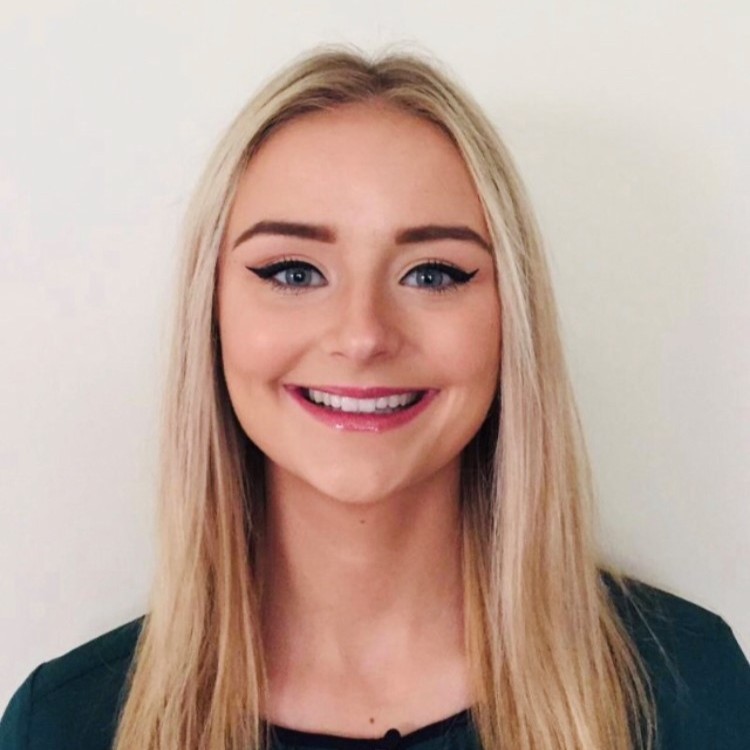
Louise Nixon Program ManagerHLTHOther
Louise Nixon
Program ManagerHLTH
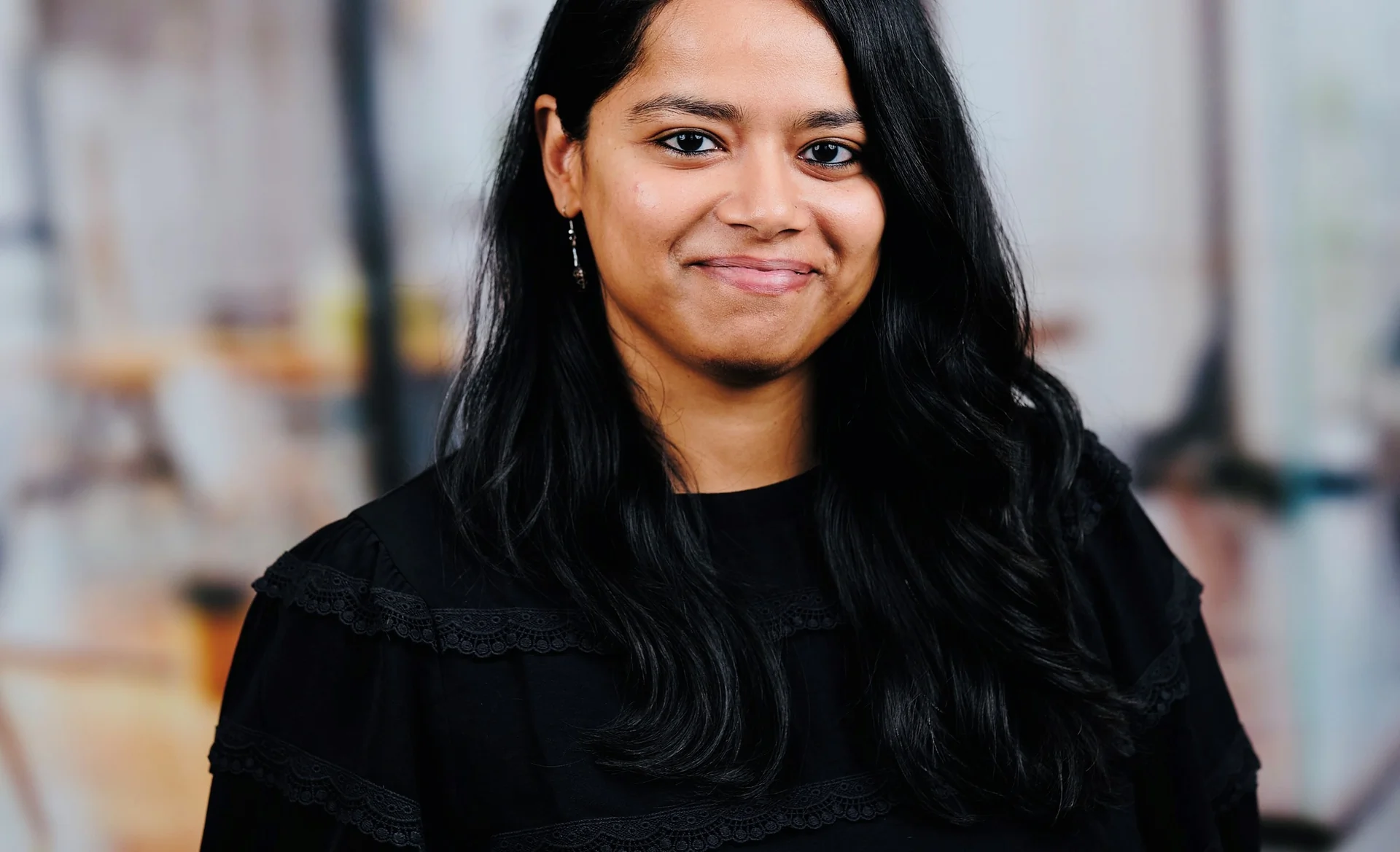
Manasi Ghogare Senior Product ManagerTakedaLife Sciences, Pharma & Biotech
Manasi Ghogare
Senior Product ManagerTakeda
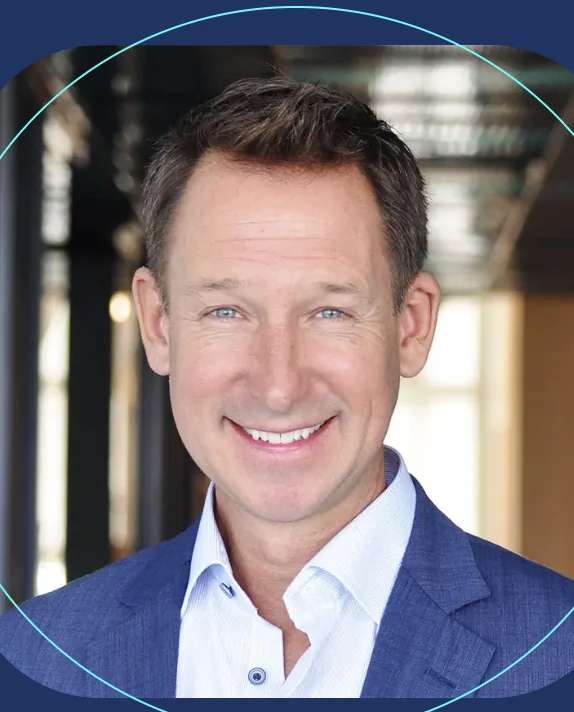
Ryan Schmidt General ManagerSapphirosLife Sciences, Pharma & Biotech
Ryan Schmidt
General ManagerSapphiros
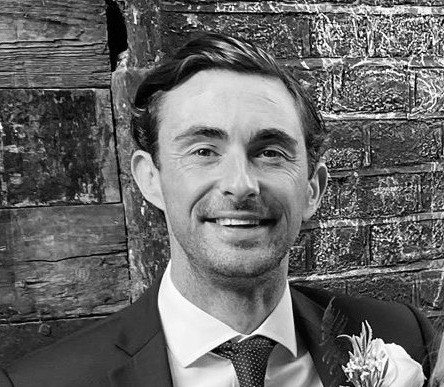
Sean Furmston CommercialHLTHOther
Sean Furmston
CommercialHLTH
Severine Brichard-Rooney President General ManagerDanone NutriciaLife Sciences, Pharma & Biotech
Severine Brichard-Rooney
President General ManagerDanone Nutricia
Shruti Vij Director Innovation and AI Strategy AlexionLife Sciences, Pharma & Biotech
Shruti Vij
Director Innovation and AI Strategy Alexion
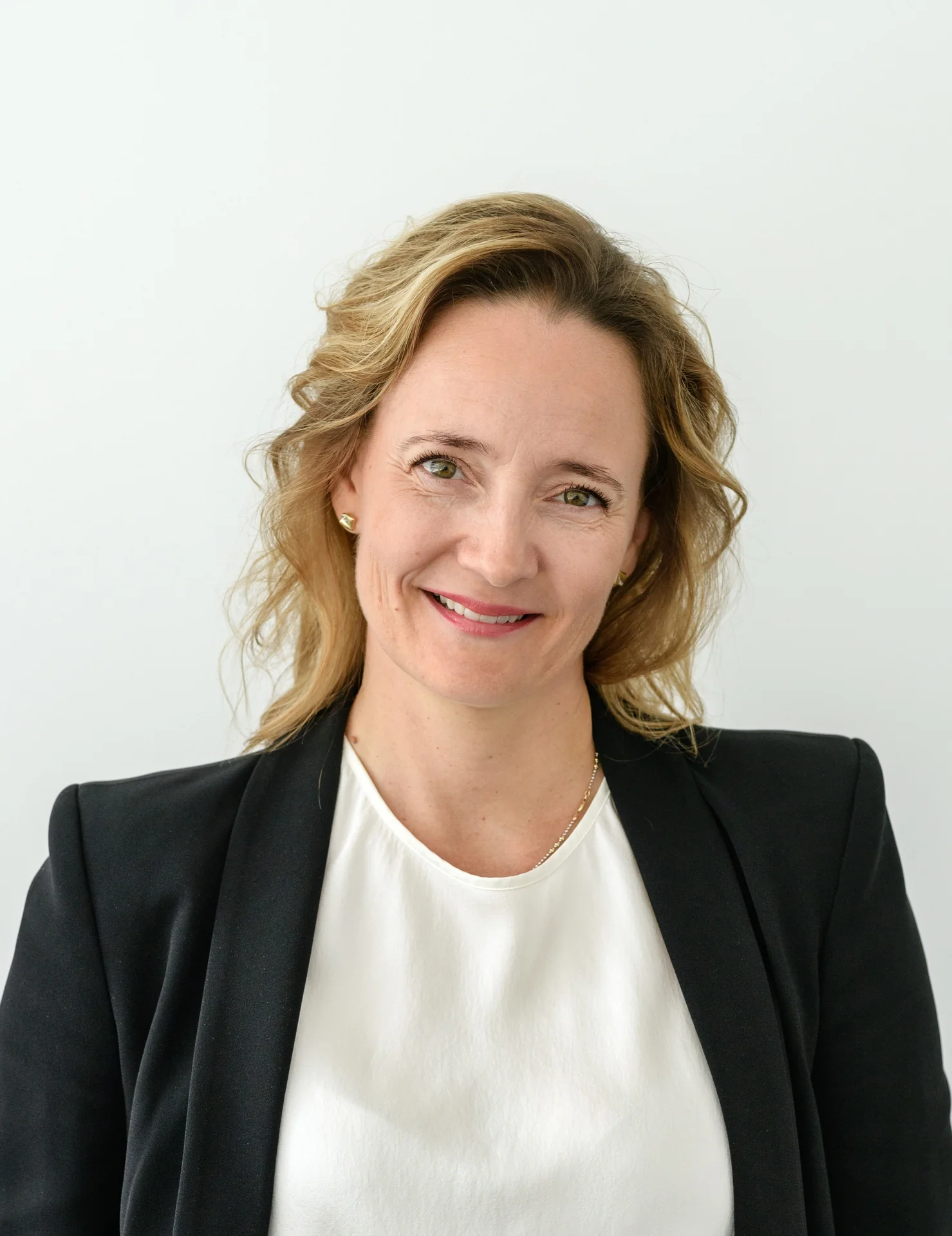

Tanja Dowe Managing DirectorAngelini VenturesInvestor & Accelerators
Tanja Dowe
Managing DirectorAngelini Ventures
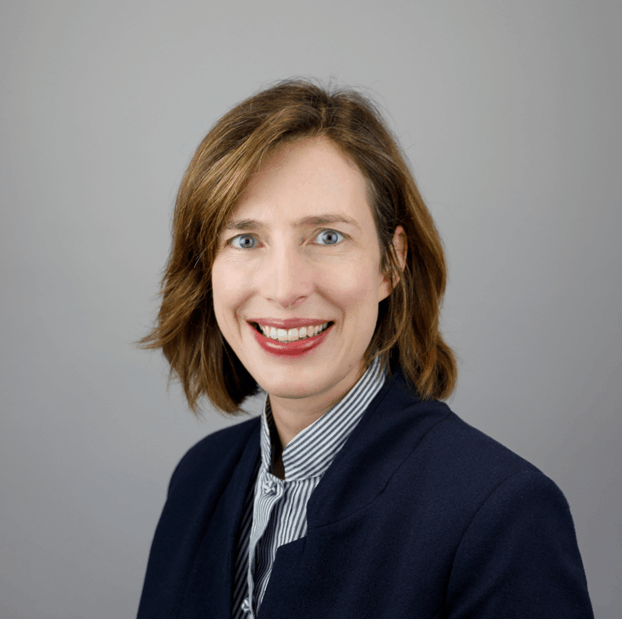
Vanessa Counaert Head of Connected Care for Western EuropeBaxterHealth Tech & Solutions
Vanessa Counaert
Head of Connected Care for Western EuropeBaxter
Ventsislav Dobrev Global Clinical Lead Digital BiomarkersRocheLife Sciences, Pharma & Biotech
Ventsislav Dobrev
Global Clinical Lead Digital BiomarkersRoche
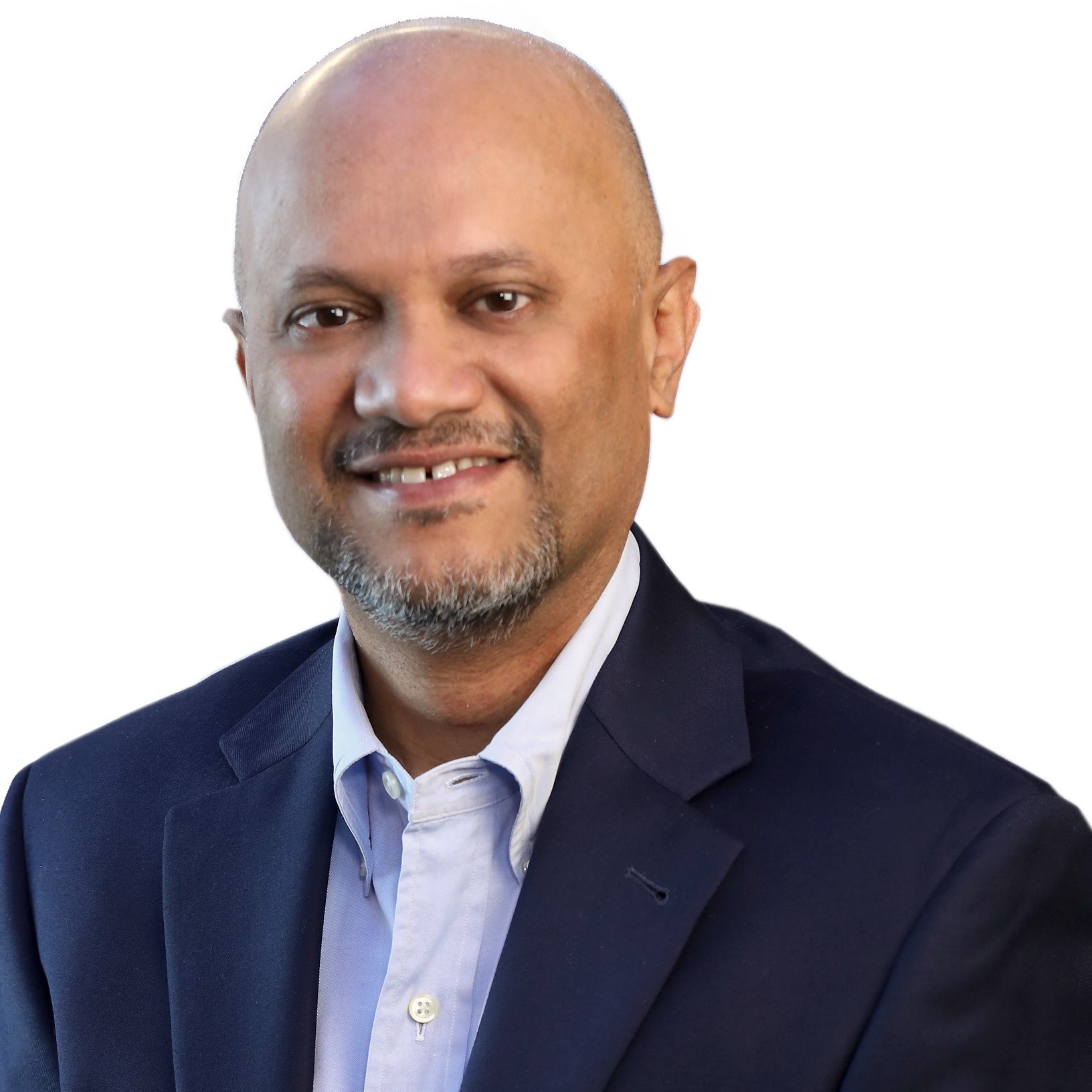
VJ Bala VP Marketing Partnerships & GrowthResmedHealth Tech & Solutions
VJ Bala
VP Marketing Partnerships & GrowthResmed