


09 Aug 2022 | 02:45 PM GMT
Past MeetingGetting Virtual Care Solutions into the Physician’s and Care Team’s Workflows
Anchored by:
Participants:
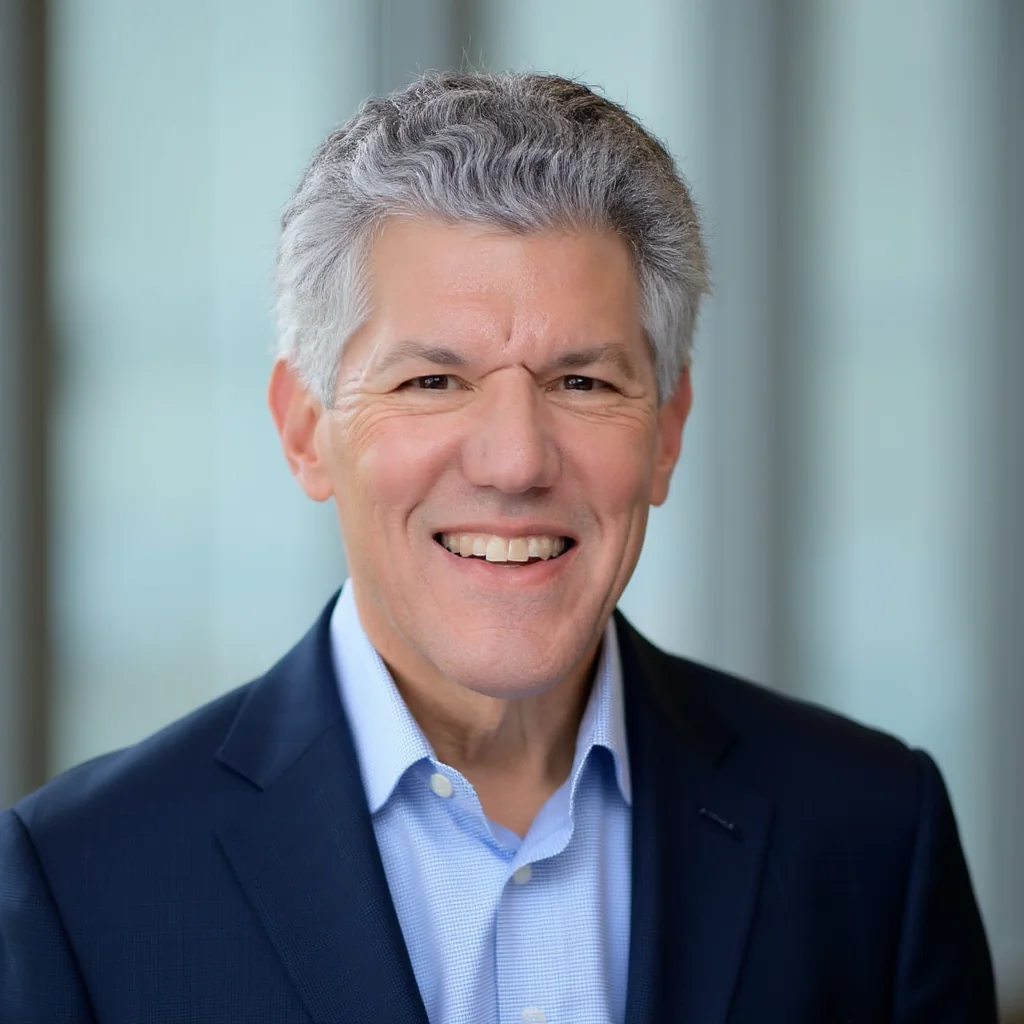

Lee Shapiro Managing Partner7wireVenturesInvestor & Accelerators
Lee Shapiro
Managing Partner7wireVentures
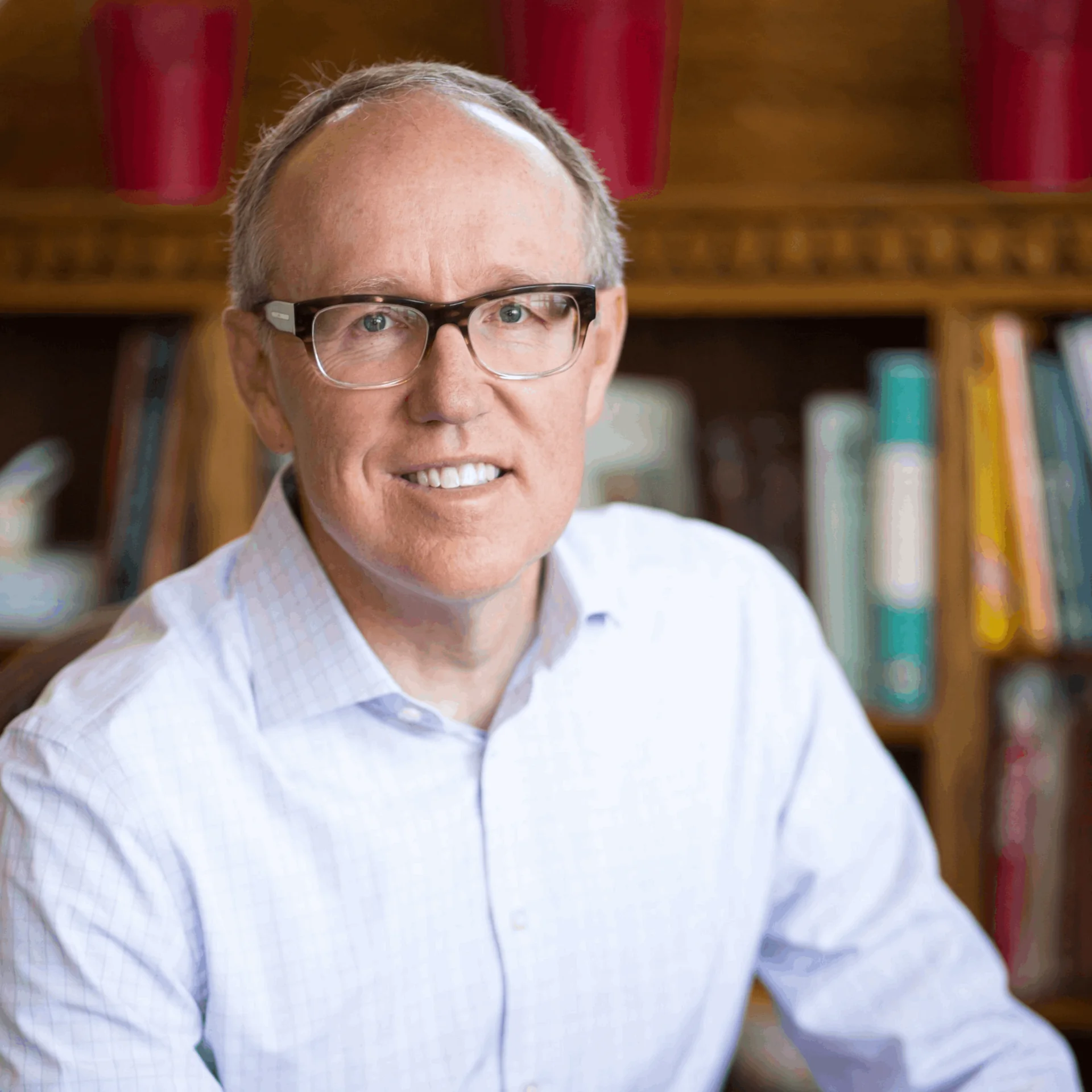
Chris Wasden Chief Strategy OfficerTwillOther
Chris Wasden
Chief Strategy OfficerTwill

Clifford Meltzer CEOExcelicare
Clifford Meltzer
CEOExcelicare

Dave Icke Executive ChairIeso Digital Health
Dave Icke
Executive ChairIeso Digital Health
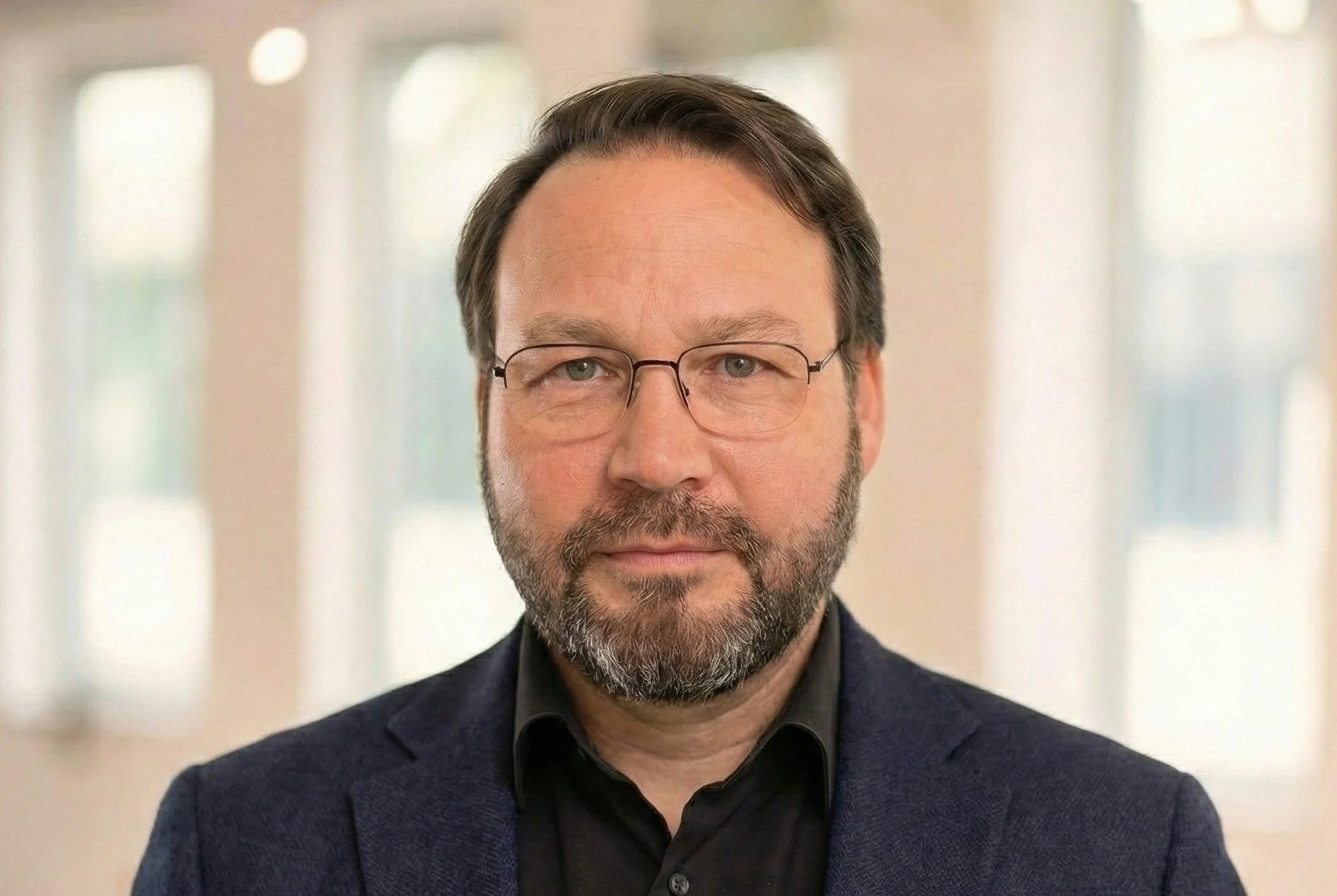
Dr. Nick (Nemanja) Kovacev Head of Healthcare and Life Sciences PracticeHTEC GroupHealth Tech & Solutions
Dr. Nick (Nemanja) Kovacev
Head of Healthcare and Life Sciences PracticeHTEC Group

Jin Lee Director of Digital HealthAstellas Pharma, IncOther
Jin Lee
Director of Digital HealthAstellas Pharma, Inc

Mathieu Chaffard Digital Health Innovation ManagerRoche Diagnostics
Mathieu Chaffard
Digital Health Innovation ManagerRoche Diagnostics
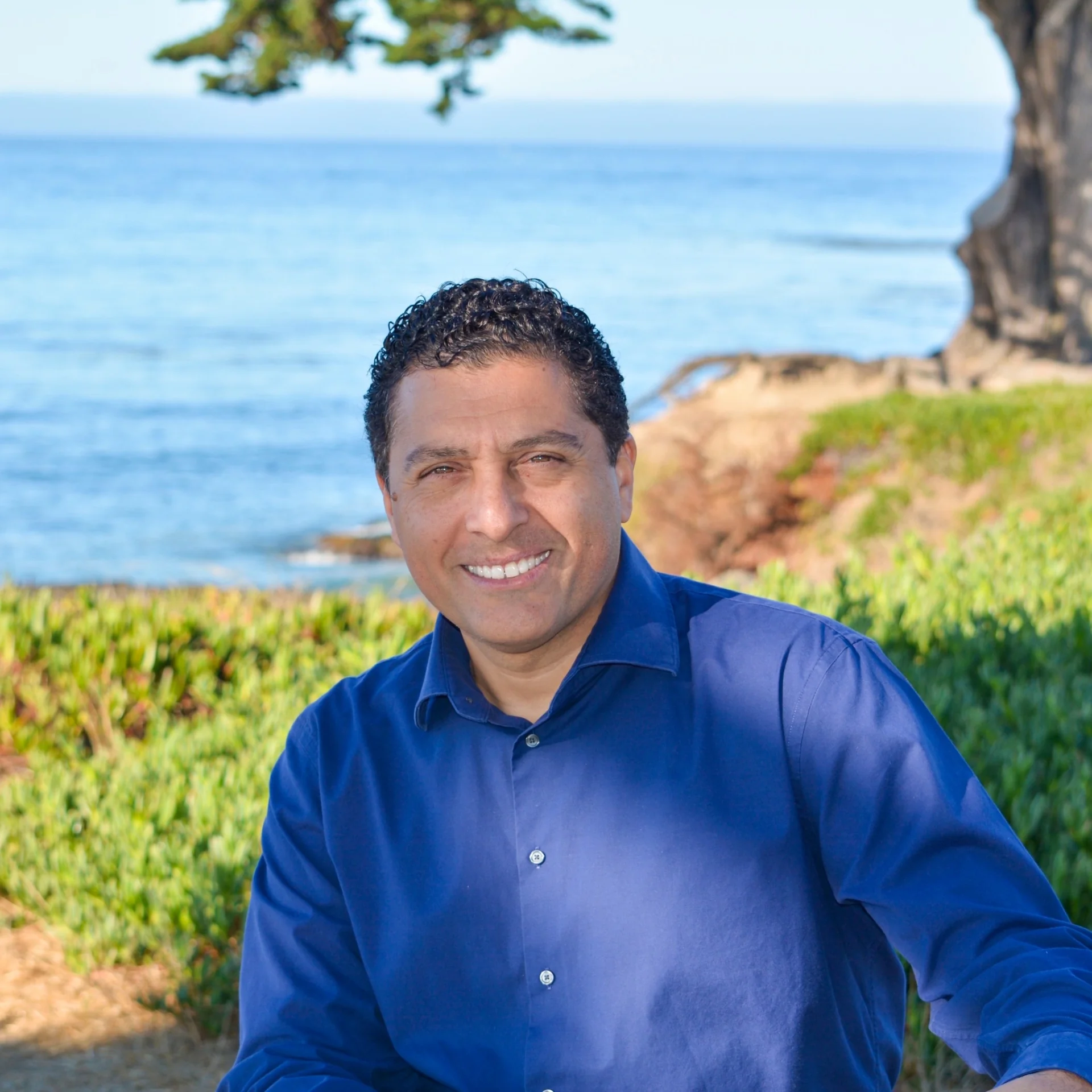
Ricardo C. Berrios Co-Founder & CEOAdhera Health, Inc.Startup
Ricardo C. Berrios
Co-Founder & CEOAdhera Health, Inc.