


21 May 2026 | 03:00 PM GMT
Past MeetingPredictive AI in Chronic Disease: Catching Deterioration Before the ER Visit
Anchored by:
Participants:


Andrew Ibrahim Chief Clinical OfficerViz.aiHealth Tech & Solutions
Andrew Ibrahim
Chief Clinical OfficerViz.ai

Paul Wicks Founder & Chief Evidence OfficerProofStack HealthProfessional Services
Paul Wicks
Founder & Chief Evidence OfficerProofStack Health
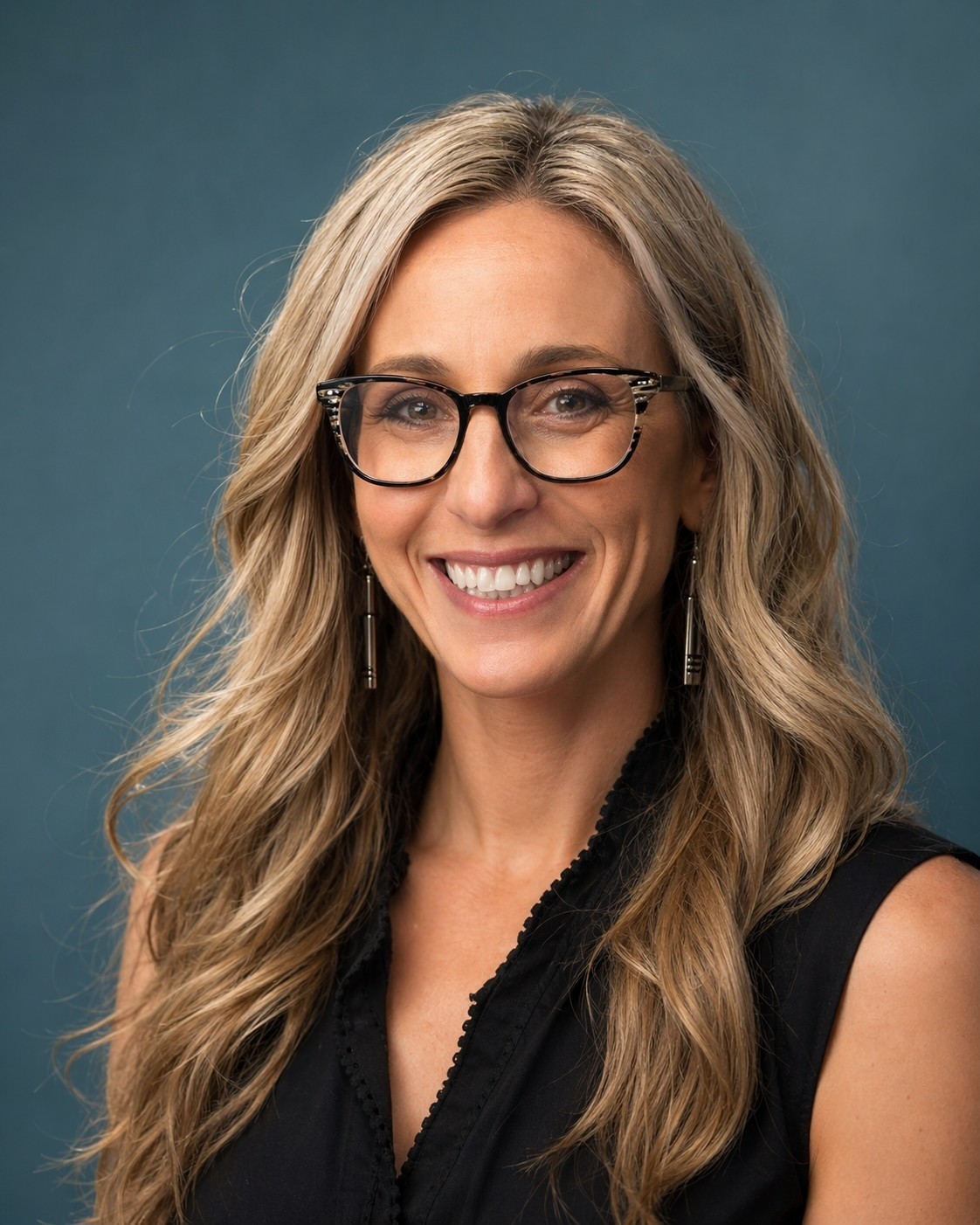
Alyson Stover Founding PartnerThrivynHealth System & Providers
Alyson Stover
Founding PartnerThrivyn

Beata Green CTODigitals for HealthHealth Tech & Solutions
Beata Green
CTODigitals for Health
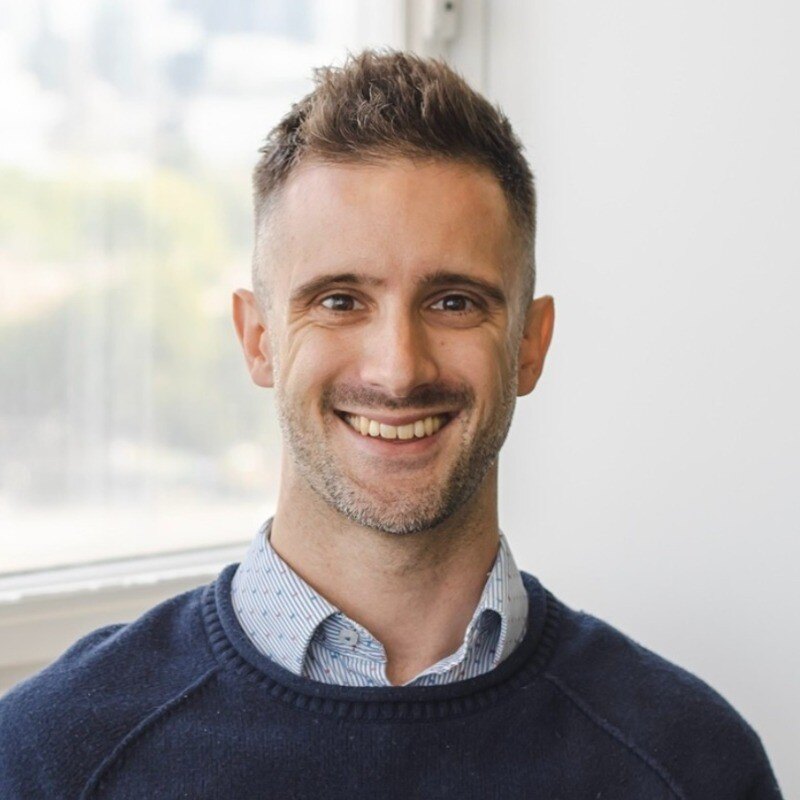
Bradley Fryer Sales DirectorHLTHHealth Tech & Solutions
Bradley Fryer
Sales DirectorHLTH
Carolina Bianco Technology and Science leadRocheHealth Tech & Solutions
Carolina Bianco
Technology and Science leadRoche

Chiazim Idris Infectious Diseases Resident PhysicianMatei Bals National Institute of Infectious DiseasesHealth System & Providers
Chiazim Idris
Infectious Diseases Resident PhysicianMatei Bals National Institute of Infectious Diseases

Douglas Runt Head of Digital InnovationZEISS Medical TechnologyHealth Tech & Solutions
Douglas Runt
Head of Digital InnovationZEISS Medical Technology
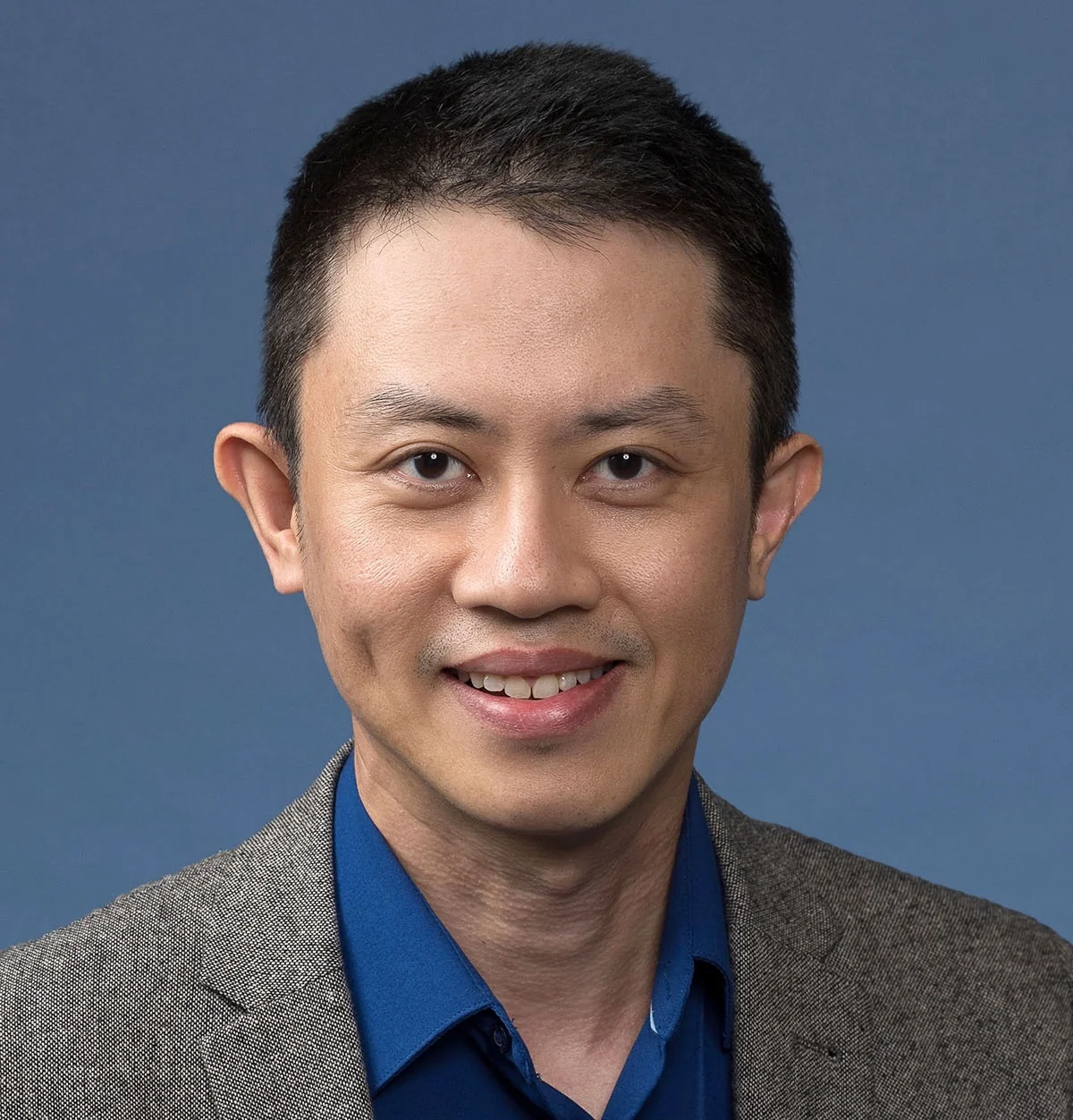
Eddy Ang Chief Medical OfficerUCLA Health Medicare Advantage PlanPayer & Insurer
Eddy Ang
Chief Medical OfficerUCLA Health Medicare Advantage Plan

Gilbert Semaan DH Franchise Lead, Neurology & ImmunologyMerck KGaA, GermanyLife Sciences, Pharma & Biotech
Gilbert Semaan
DH Franchise Lead, Neurology & ImmunologyMerck KGaA, Germany

Ian Morrant GP Partner/Health Tech ConsultantThe Primary Care Innovation SpotlightProfessional Services
Ian Morrant
GP Partner/Health Tech ConsultantThe Primary Care Innovation Spotlight

Louise Nixon Program ManagerHLTHOther
Louise Nixon
Program ManagerHLTH
Maggie Gann Senior Project Manager- ClinicalQuest DiagnosticsHealth Tech & Solutions
Maggie Gann
Senior Project Manager- ClinicalQuest Diagnostics

Matt Norton VP of Marketing & Commercial DevelopmentS3 Connected HealthProfessional Services
Matt Norton
VP of Marketing & Commercial DevelopmentS3 Connected Health

Oisin Kim Chief Innovation Officer and Co-FounderMedihiveHealth Tech & Solutions
Oisin Kim
Chief Innovation Officer and Co-FounderMedihive
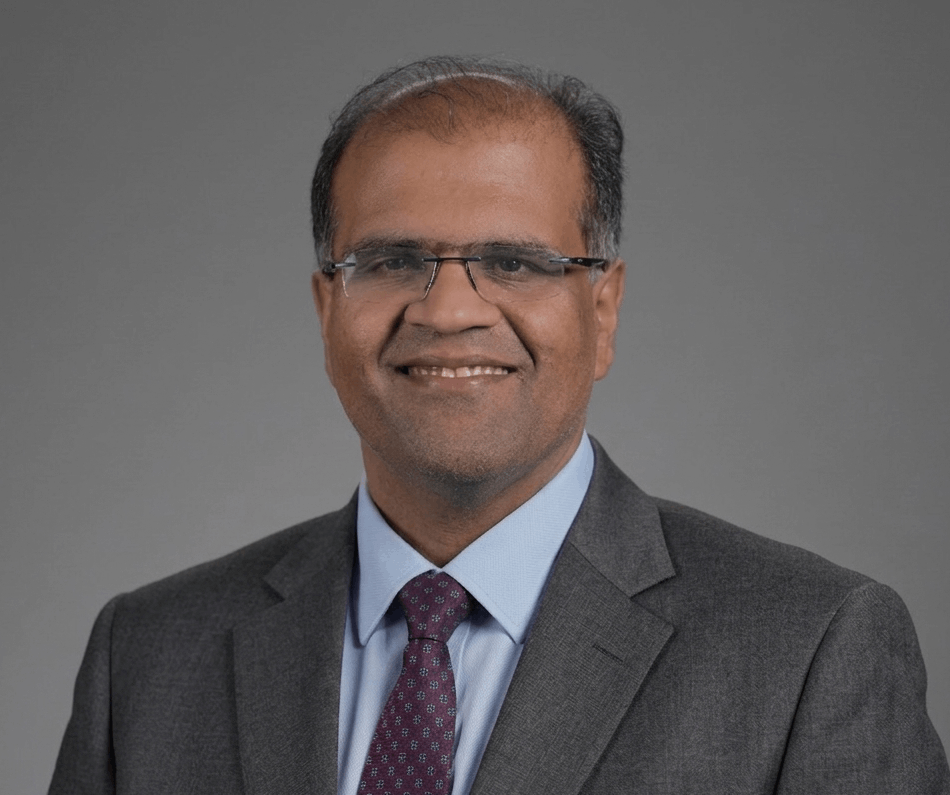
Raghu Santhanam Owner, CEO, Managing PartnerVBC Advisor LLCProfessional Services
Raghu Santhanam
Owner, CEO, Managing PartnerVBC Advisor LLC
Ruw Abeyratne Director of Health Equality and Inclusion University Hospitals of Leicester NHS Trust Health System & Providers
Ruw Abeyratne
Director of Health Equality and Inclusion University Hospitals of Leicester NHS Trust