


12 Dec 2024 | 04:00 PM GMT
Past MeetingShe-conomy: How Women's Health Became Big Business
Participants:


Laura Okafor CEOPerryStartup
Laura Okafor
CEOPerry

Lisa Suennen Managing PartnerAmerican Heart Association VenturesNon Profit & Academia
Lisa Suennen
Managing PartnerAmerican Heart Association Ventures

Aahuti Rai Health-tech Exec | Venture Partner | ChairFour Points HealthHealth Tech & Solutions
Aahuti Rai
Health-tech Exec | Venture Partner | ChairFour Points Health

Amy Beckley Owner & CEOProovHealth Tech & Solutions
Amy Beckley
Owner & CEOProov
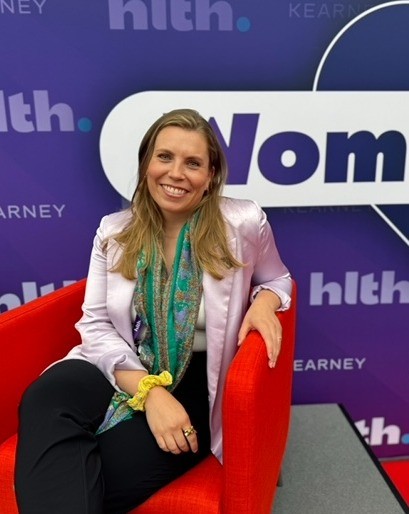
Amy Keenan Chief Marketing OfficerHello InsideStartup
Amy Keenan
Chief Marketing OfficerHello Inside
Anastasiya Markvarde Sr Innovation Manager EversanaHealth Tech & Solutions
Anastasiya Markvarde
Sr Innovation Manager Eversana

Aura Pyykonen Medical LeadAalto UniversityNon Profit & Academia
Aura Pyykonen
Medical LeadAalto University

Beth Shephard Innovation General Manager BayerLife Sciences, Pharma & Biotech
Beth Shephard
Innovation General Manager Bayer

Julie Fishman EIRYale VenturesInvestor & Accelerators
Julie Fishman
EIRYale Ventures
Laurie Zephyrin Senior Vice PresidentThe Commonwealth FundHealth System & Providers
Laurie Zephyrin
Senior Vice PresidentThe Commonwealth Fund

Lisa Suennen Managing Partner, AHA VenturesLisa SuennenInvestor & Accelerators
Lisa Suennen
Managing Partner, AHA VenturesLisa Suennen

Matt Norton VP of Marketing & Commercial DevelopmentS3 Connected HealthProfessional Services
Matt Norton
VP of Marketing & Commercial DevelopmentS3 Connected Health

Mridula Pore Co-founder and Non-exec ChairPeppyHealth Tech & Solutions
Mridula Pore
Co-founder and Non-exec ChairPeppy

Natalie Hanson CEO & FounderNDH Advisory LLCProfessional Services
Natalie Hanson
CEO & FounderNDH Advisory LLC

Rachel Scherl Managing PartnerSPARK Solutions for GrowthProfessional Services
Rachel Scherl
Managing PartnerSPARK Solutions for Growth
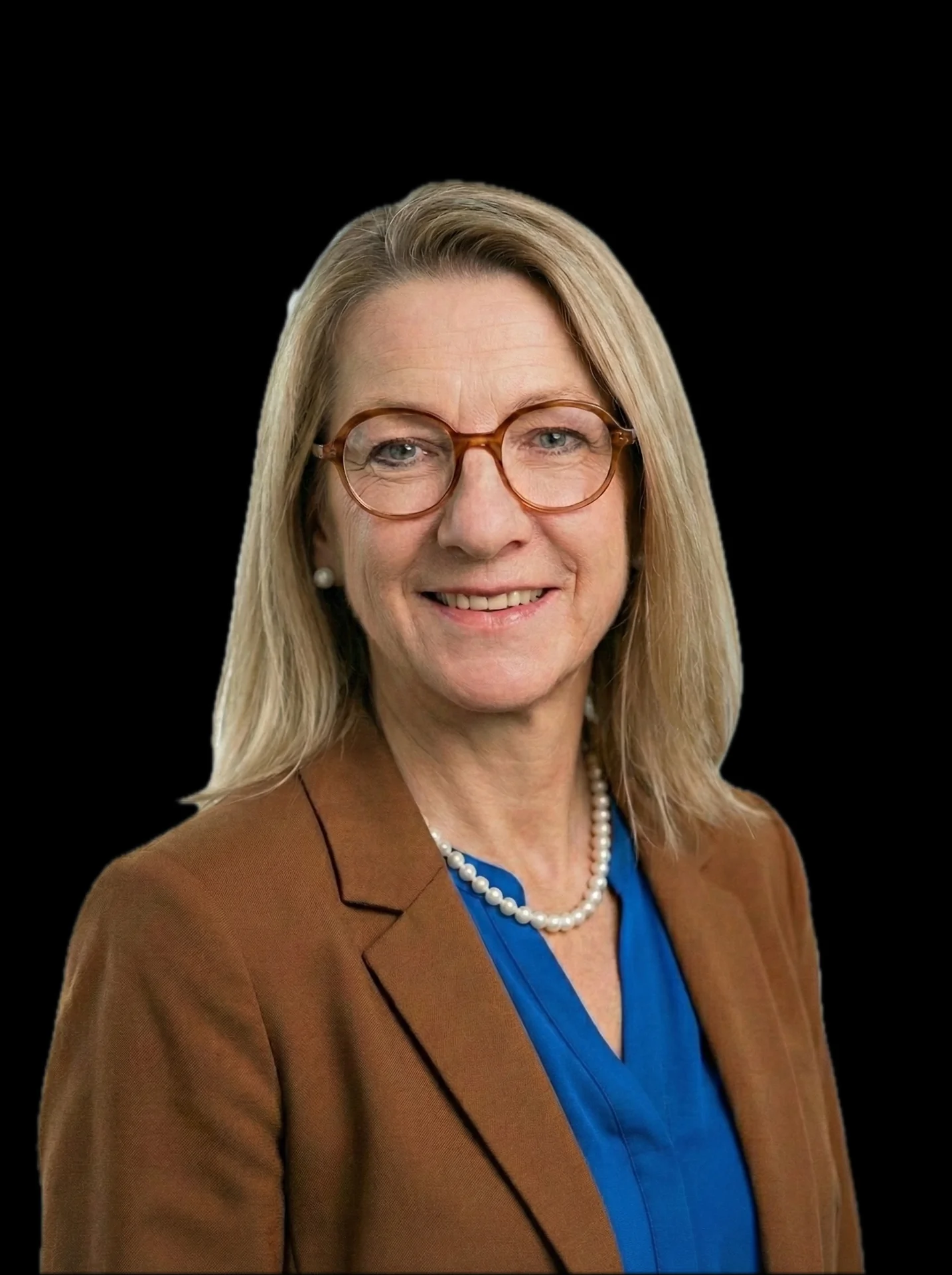
Susanne Gruber Strategic Advisor, Interim ExecutiveIgnited VisionProfessional Services
Susanne Gruber
Strategic Advisor, Interim ExecutiveIgnited Vision

Thorsten Waloschek CEONeoPredicsStartup
Thorsten Waloschek
CEONeoPredics

Tracy Warren Sr Managing DirectorGo Red for Women Fund, AHA VenturesInvestor & Accelerators
Tracy Warren
Sr Managing DirectorGo Red for Women Fund, AHA Ventures

Xenia Riasol Cercos Sponsored Programs Strategy ManagerHLTHOther
Xenia Riasol Cercos
Sponsored Programs Strategy ManagerHLTH