


30 Jun 2022 | 02:45 PM GMT
Past MeetingSustainable Business Models for DTx in the US
Participants:
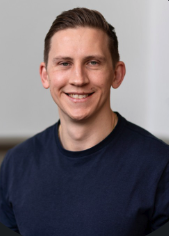
Myles Furnace Chief Commercial OfficerEolas MedicalStartup
Myles Furnace
Chief Commercial OfficerEolas Medical
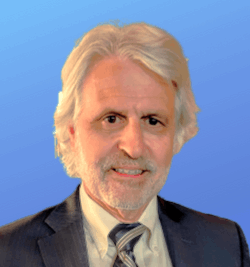
Rick Bartels President/Founder DTxCCHealth Tech & Solutions
Rick Bartels
President/Founder DTxCC
Ary Deleray Digital Health Business LeaderRocheLife Sciences, Pharma & Biotech
Ary Deleray
Digital Health Business LeaderRoche
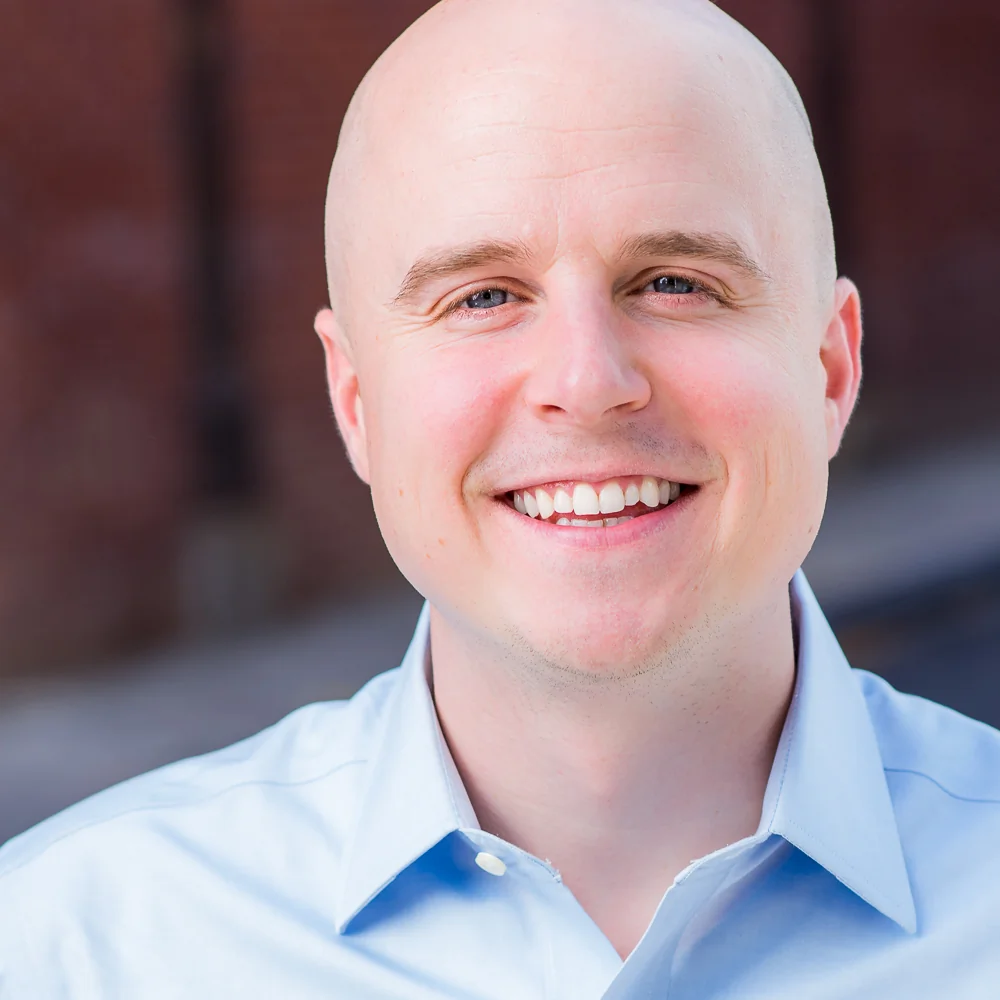

Chris Cera CEOArcweb TechnologiesHealth Tech & Solutions
Chris Cera
CEOArcweb Technologies
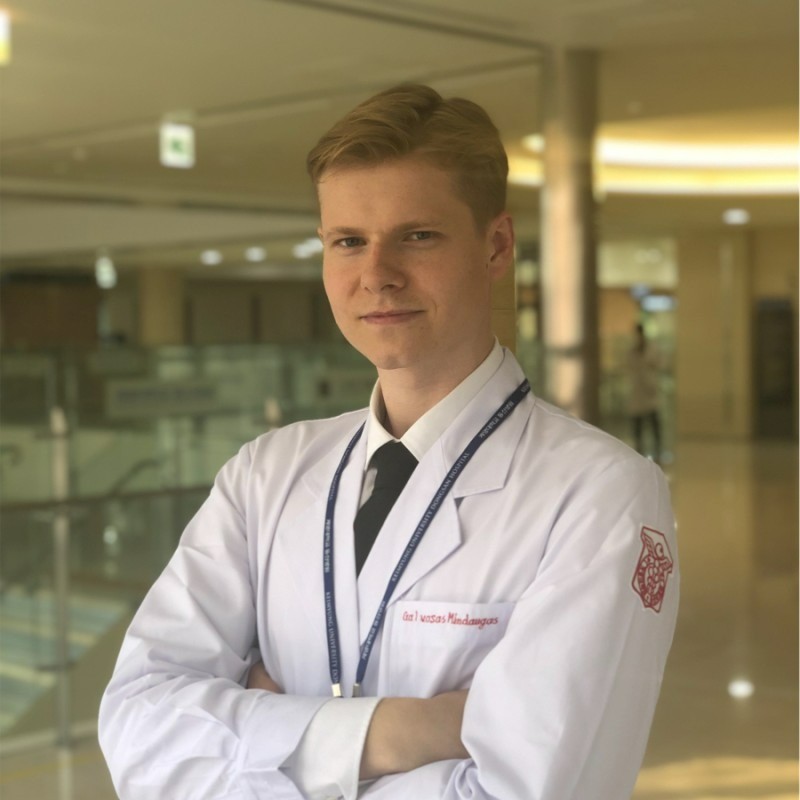
Mindaugas Galvosas Medical Officer & Business developmentHyfe
Mindaugas Galvosas
Medical Officer & Business developmentHyfe
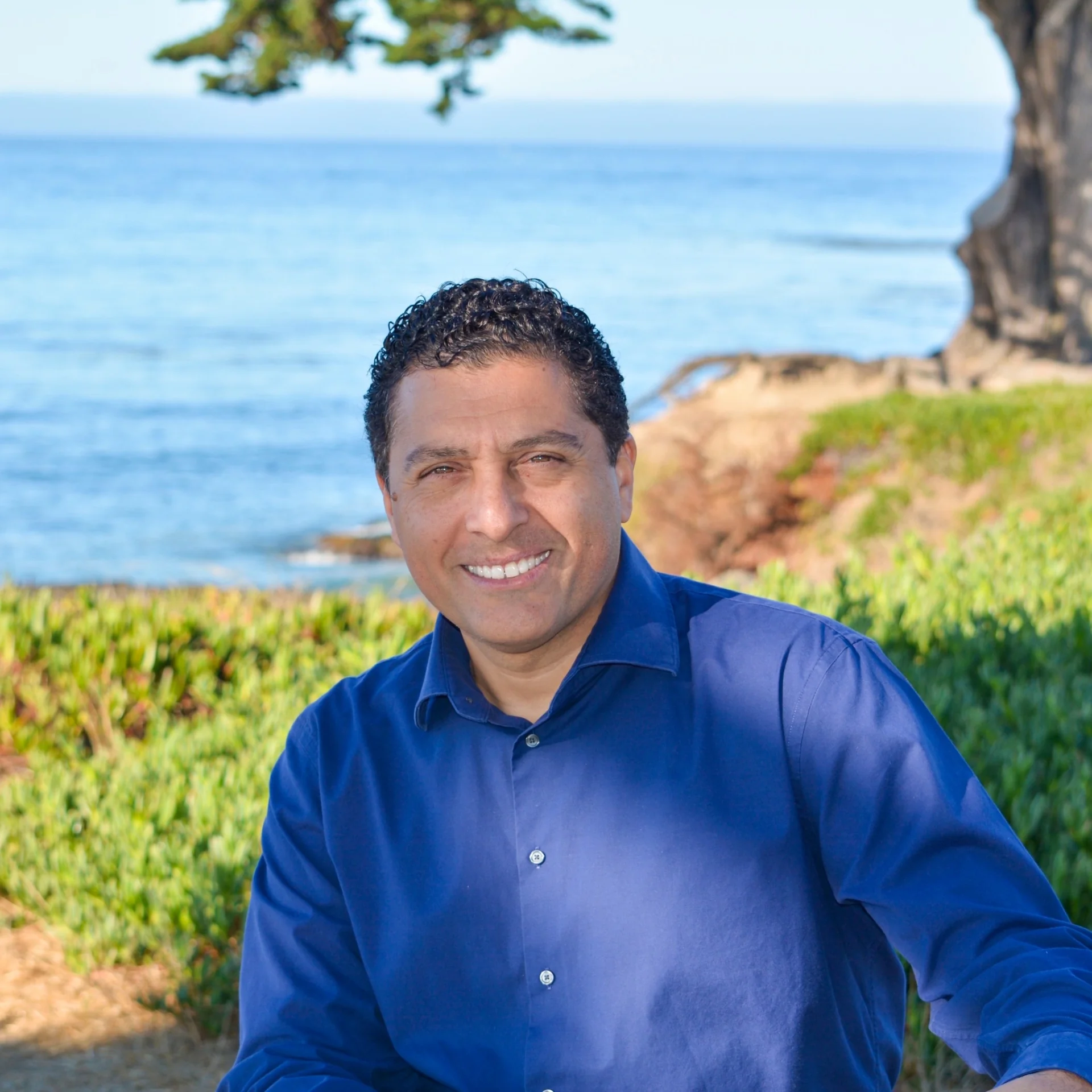
Ricardo C. Berrios Co-Founder & CEOAdhera Health, Inc.Startup
Ricardo C. Berrios
Co-Founder & CEOAdhera Health, Inc.
Tatsuro Kurachi Oncology Ecosystems Platform Strategy LeadEisai Inc.
Tatsuro Kurachi
Oncology Ecosystems Platform Strategy LeadEisai Inc.