

29 Apr 2026 | 03:00 PM GMT
Past MeetingWearables 3.0: Continuous Monitoring Meets Predictive Cardiovascular Risk
Anchored by:
Participants:
Tanvi Jayaraman Clinical Lead for Health AIOURAHealth Tech & Solutions
Tanvi Jayaraman
Clinical Lead for Health AIOURA

Ashlyn Zebrowski Director, MedTech Consulting ServicesS3 Connected HealthProfessional Services
Ashlyn Zebrowski
Director, MedTech Consulting ServicesS3 Connected Health

Adam Ouammou Group Strategy DirectorBupaHealth System & Providers
Adam Ouammou
Group Strategy DirectorBupa
Alfredo Morales Co-FounderNumenin Inc.Startup
Alfredo Morales
Co-FounderNumenin Inc.
Anjan Kaur CEOazoeHealth Tech & Solutions
Anjan Kaur
CEOazoe
Dr. Nick (Nemanja) Kovacev Head of Healthcare and Life Sciences PracticeHTEC GroupHealth Tech & Solutions
Dr. Nick (Nemanja) Kovacev
Head of Healthcare and Life Sciences PracticeHTEC Group
Jai Thakor CEOAuriSenseLife Sciences, Pharma & Biotech
Jai Thakor
CEOAuriSense

Jared Dashevsky FounderHealthcare HuddleMedia
Jared Dashevsky
FounderHealthcare Huddle
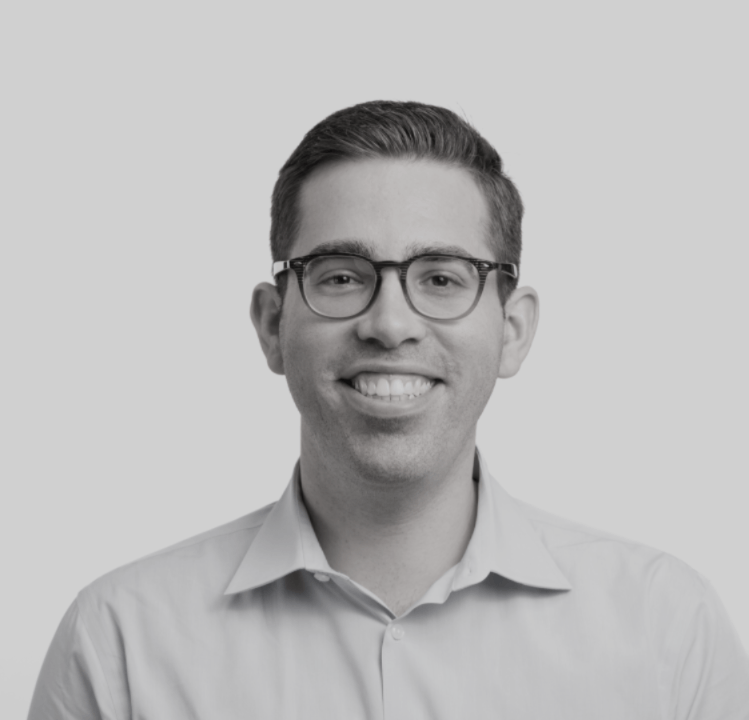
Josh Liebowitz Head of Growth & PartnershipHottoCareStartup
Josh Liebowitz
Head of Growth & PartnershipHottoCare
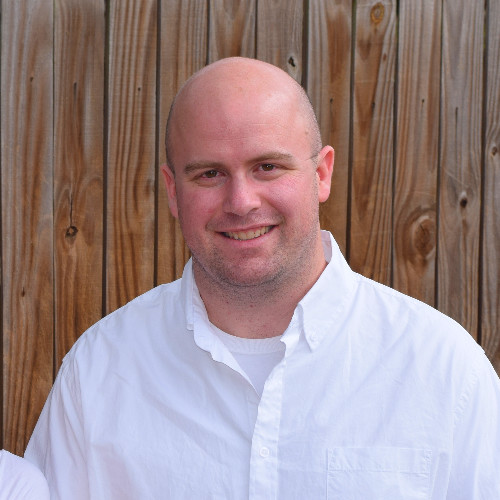
Justen Madison Clinical Coordinator/MSN StudentUnited HealthcarePayer & Insurer
Justen Madison
Clinical Coordinator/MSN StudentUnited Healthcare
Kate Bunyan Clinical DirectorPocDocHealth Tech & Solutions
Kate Bunyan
Clinical DirectorPocDoc
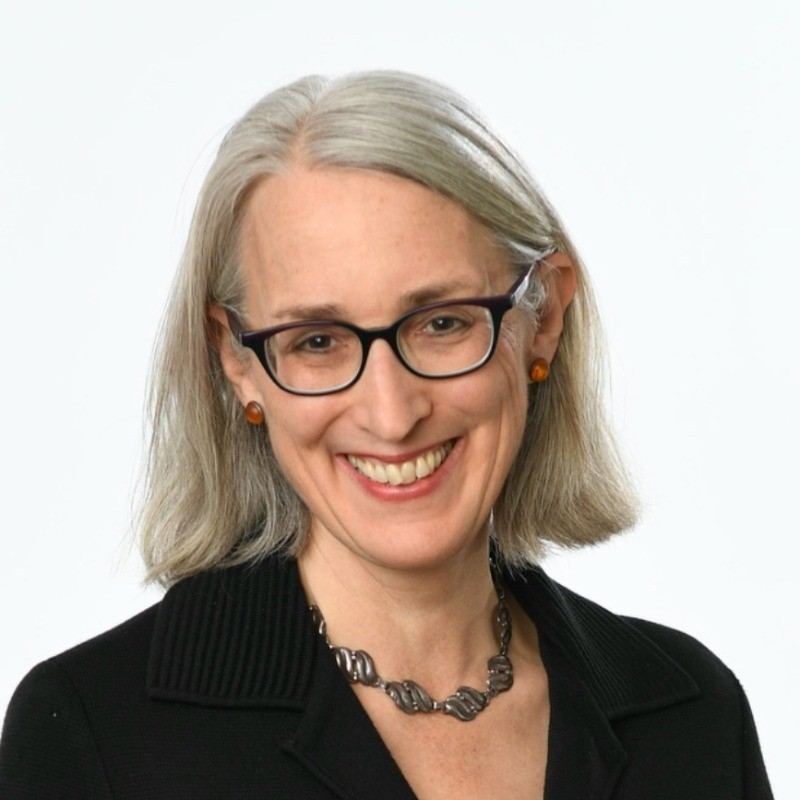
Kimball Wilkins Managing DirHourglassProfessional Services
Kimball Wilkins
Managing DirHourglass
Louise Nixon Program ManagerHLTHOther
Louise Nixon
Program ManagerHLTH

Nicola Parry Head of CampaignsUK Department for Business & TradeGovernment
Nicola Parry
Head of CampaignsUK Department for Business & Trade
Sarah Taylor Medical DirectorHumanlyOther
Sarah Taylor
Medical DirectorHumanly
Simon Jenkinson Senior Product Manager – Front End InnovationBayer Consumer HealthLife Sciences, Pharma & Biotech
Simon Jenkinson
Senior Product Manager – Front End InnovationBayer Consumer Health
Srinivas Nimmagadda CEOACUITYhealthHealth Tech & Solutions
Srinivas Nimmagadda
CEOACUITYhealth

Stephanie Zawada Instructor of NeurologyMayo ClinicHealth System & Providers
Stephanie Zawada
Instructor of NeurologyMayo Clinic
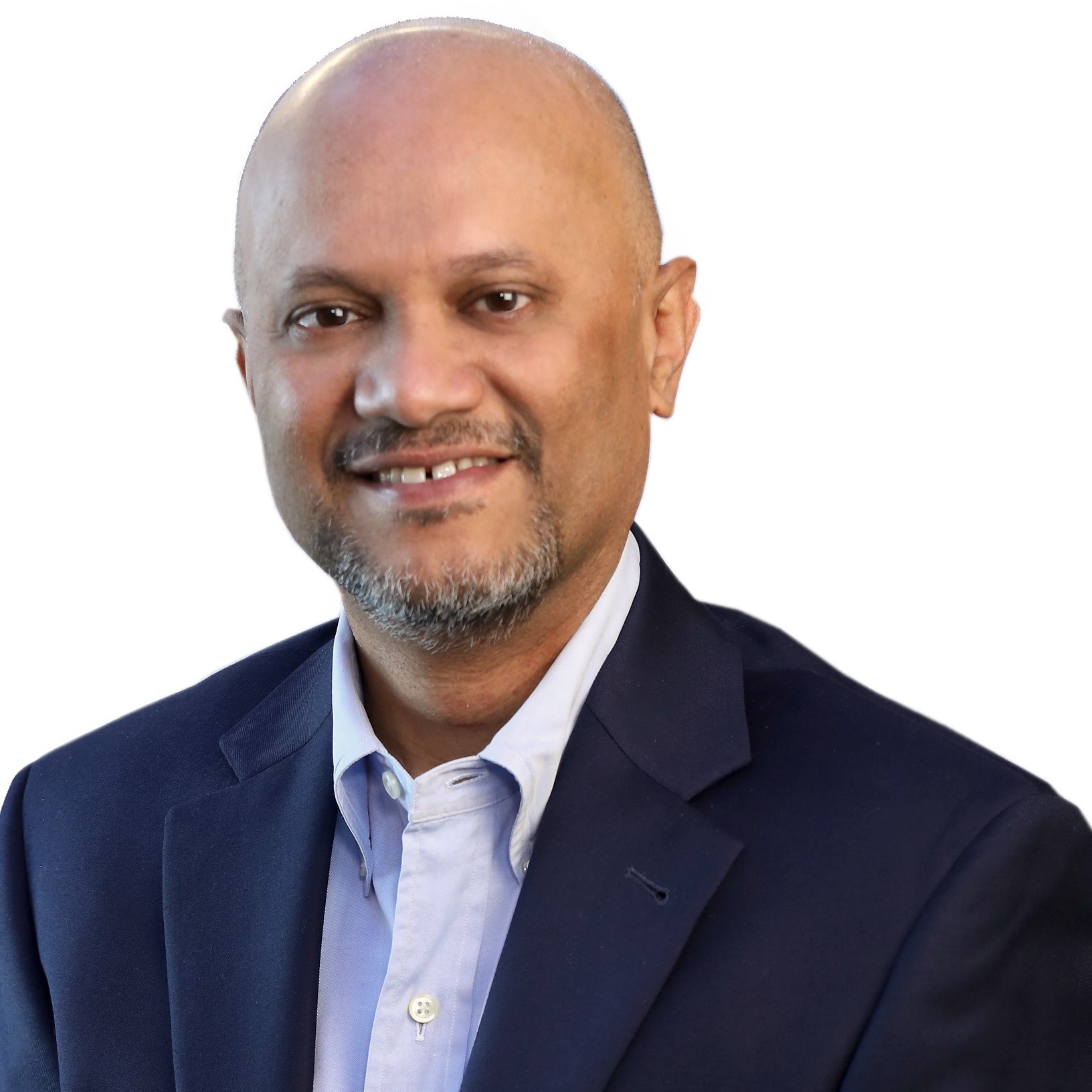
VJ Bala VP Marketing Partnerships & GrowthResmedHealth Tech & Solutions
VJ Bala
VP Marketing Partnerships & GrowthResmed

Zain Patrawala PresidentCappsule Health Health Tech & Solutions
Zain Patrawala
PresidentCappsule Health