


Read Session Brief:
Summary outlining the key points, main topics, and outcomes from the recorded session.
Speakers:
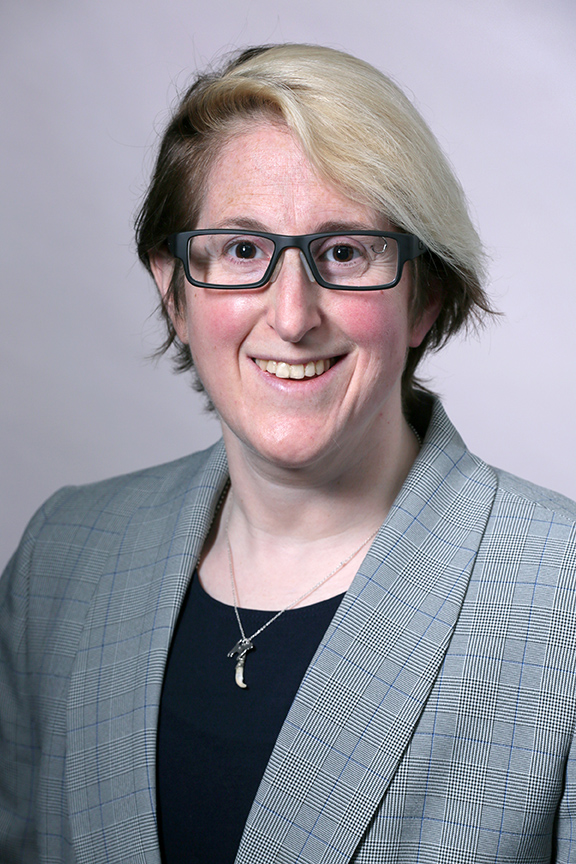
Dr Hannah Galvin Board Chair, CMIOCambridge Health AllianceHealth System & Providers
Dr Hannah Galvin
Board Chair, CMIOCambridge Health Alliance
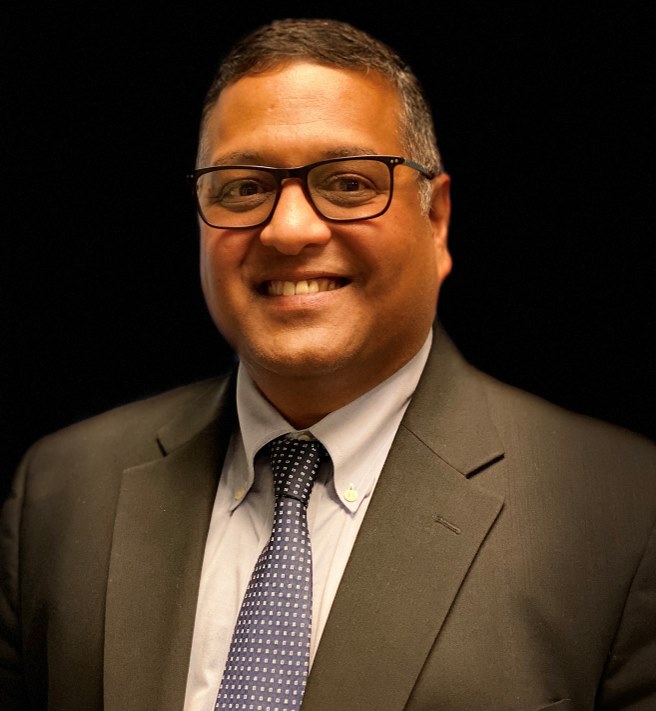
Dr Neal Patel CIOVUMCHealth System & Providers
Dr Neal Patel
CIOVUMC
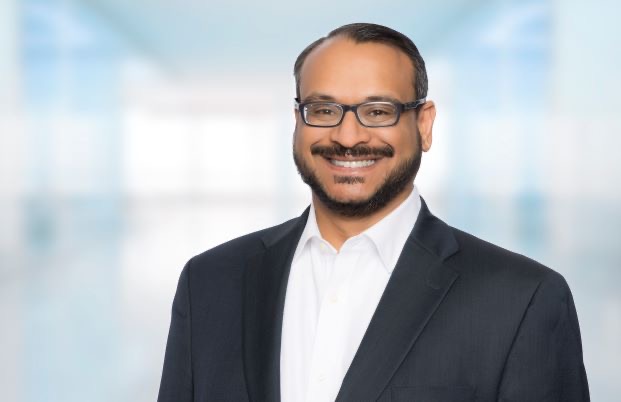
Jigar Patel Executive Medical DirectorOracle CorporationHealth Tech & Solutions
Jigar Patel
Executive Medical DirectorOracle Corporation
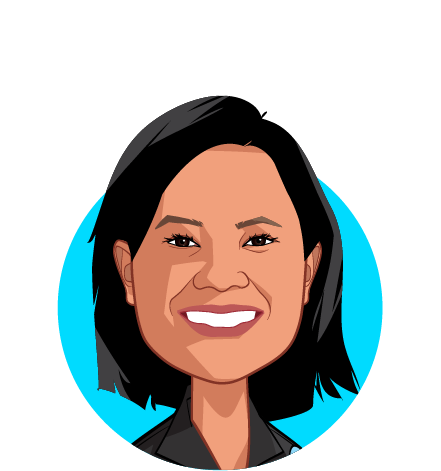
Kyna Fong CEOElation HealthHealth Tech & Solutions
Kyna Fong
CEOElation Health
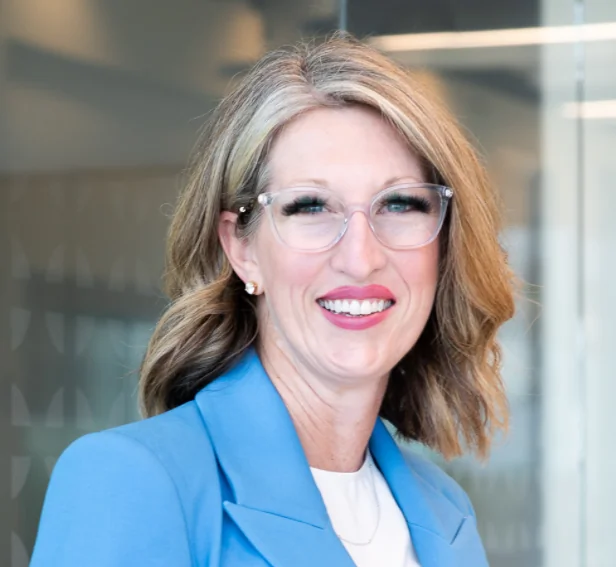
Tina Burbine Principal, Advisory ServicesNordic GlobalProfessional Services
Tina Burbine
Principal, Advisory ServicesNordic Global