


Speakers:
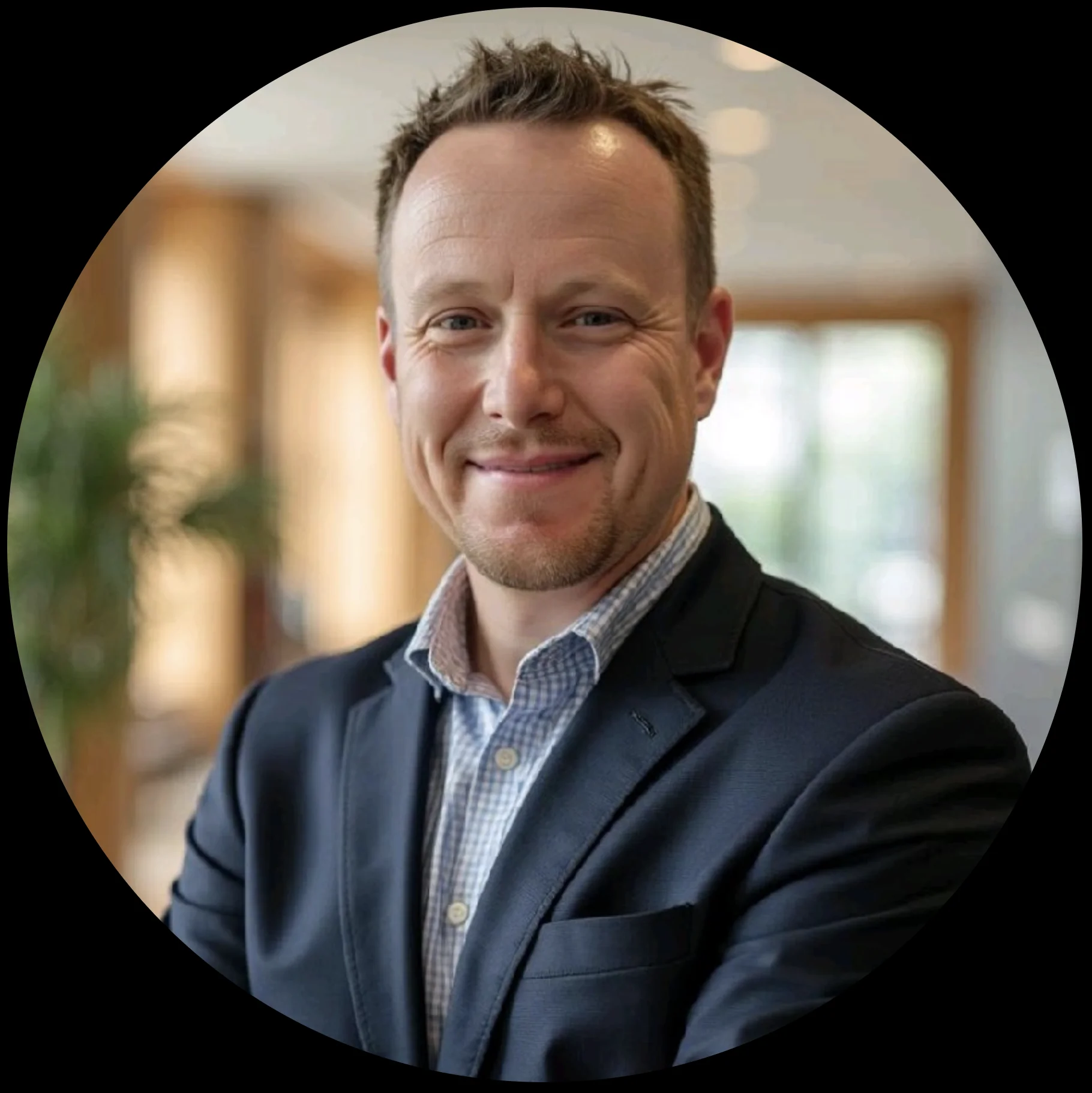
Dan Walsh CISODatavantHealth Tech & Solutions
Dan Walsh
CISODatavant
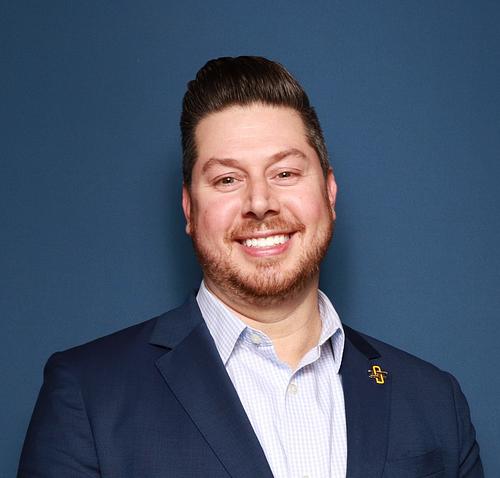
Jesse Fasolo CISO and Head of Technology InfrastructureSt. Joseph's HealthHealth System & Providers
Jesse Fasolo
CISO and Head of Technology InfrastructureSt. Joseph's Health
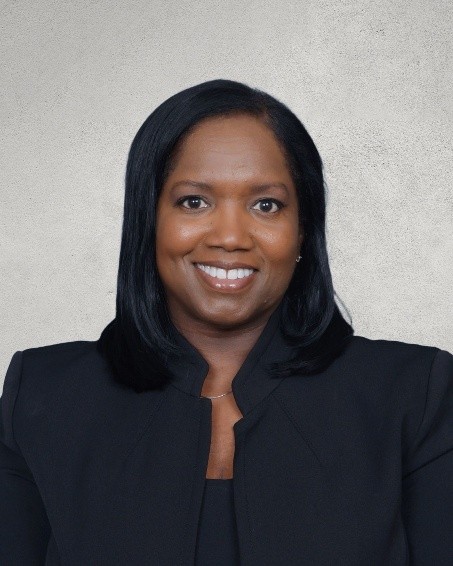
Kimberly Sutherland Global Head of Fraud & IdentityLexisNexis Risk SolutionsHealth Tech & Solutions
Kimberly Sutherland
Global Head of Fraud & IdentityLexisNexis Risk Solutions
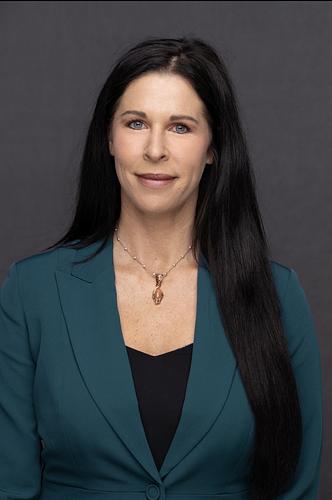
Krista Arndt Associate CISOSt. Luke University Health NetworkHealth System & Providers
Krista Arndt
Associate CISOSt. Luke University Health Network
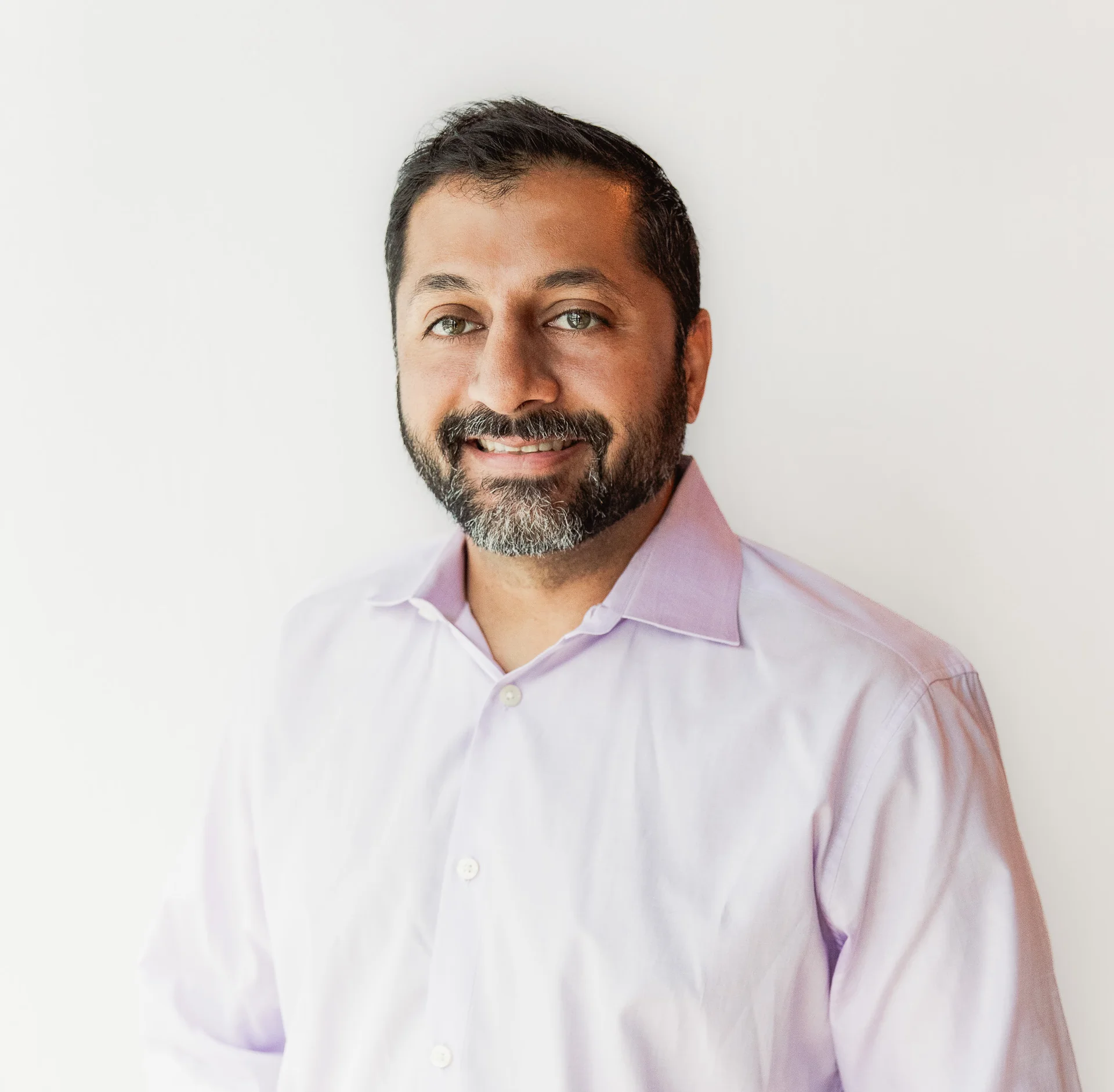
Neil Patel Head of VenturesRedesign HealthInvestor & Accelerators
Neil Patel
Head of VenturesRedesign Health