


02 Oct 2024 | 03:00 PM GMT
Past MeetingStriking the Ethical Balance: How can Humans and AI Work Together in Healthcare?
Participants:
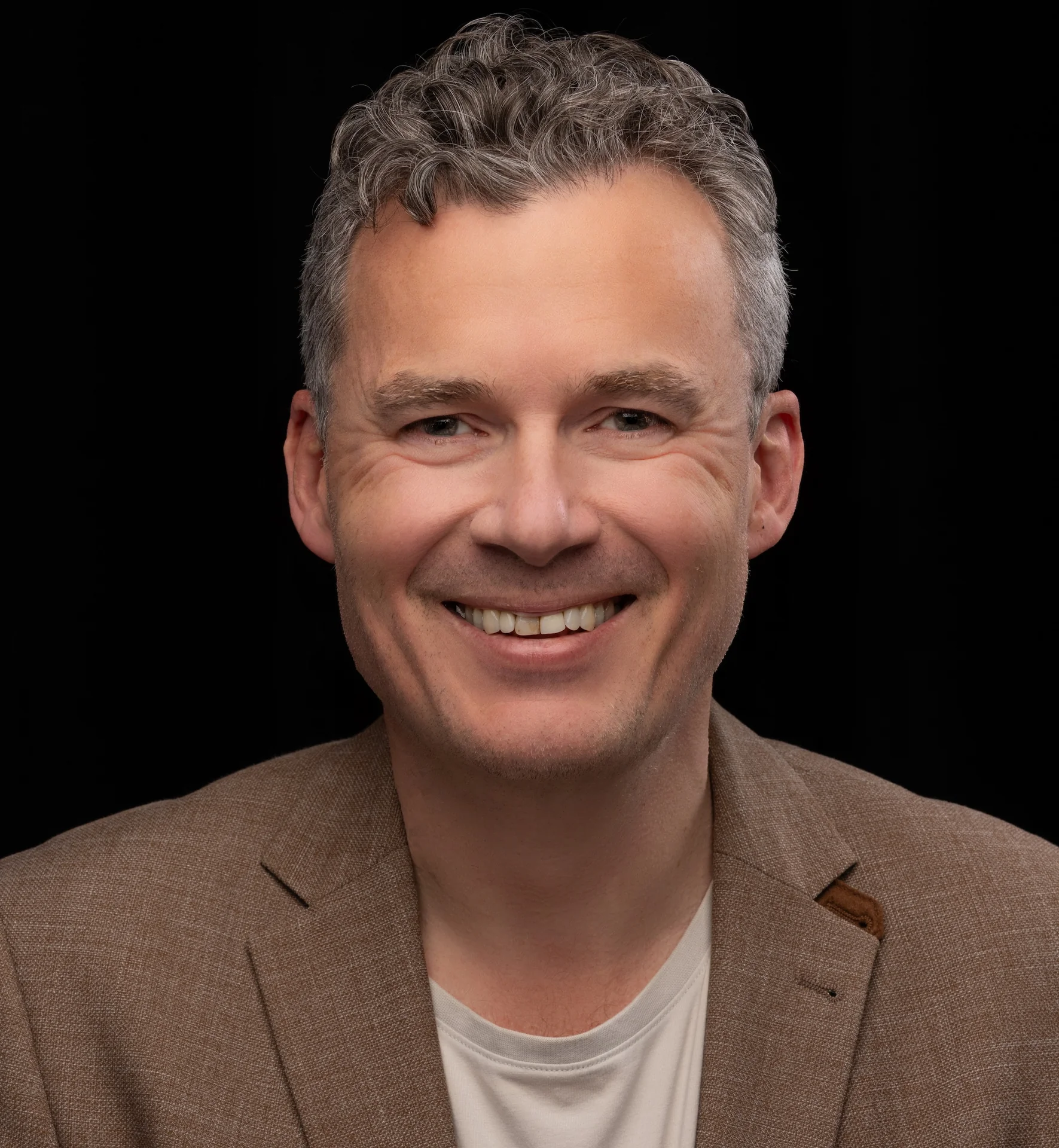
Keith Grimes Founder & CEOCuristicaProfessional Services
Keith Grimes
Founder & CEOCuristica

Suhair Khan Founder & Director open-ended
Suhair Khan
Founder & Director open-ended

Alice Murphy Community ManagerHLTHOther
Alice Murphy
Community ManagerHLTH
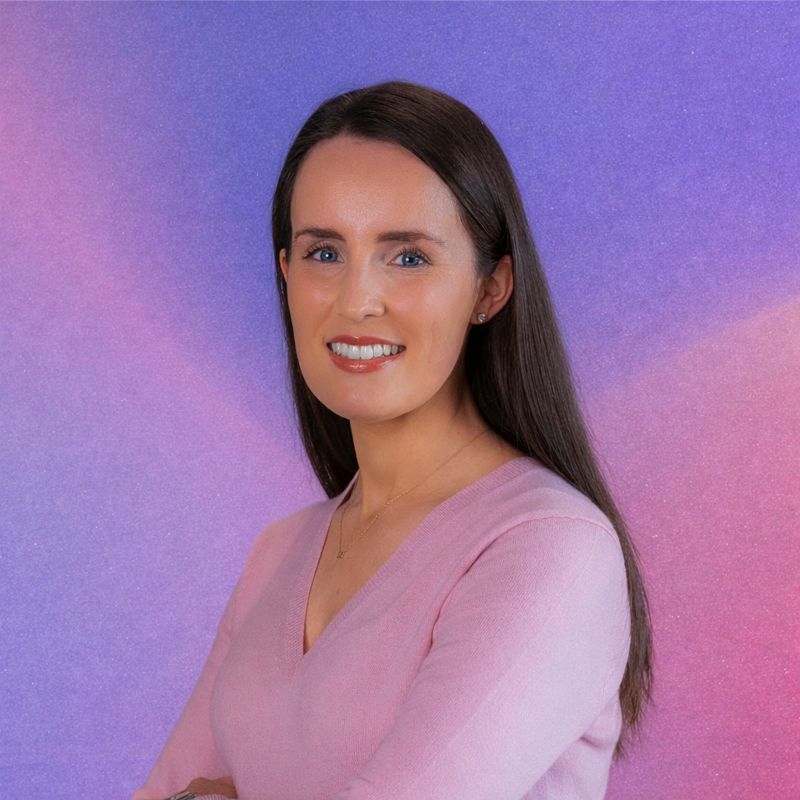
Alice McGee Senior Medical AdvisorFlo Health Inc.Health Tech & Solutions
Alice McGee
Senior Medical AdvisorFlo Health Inc.
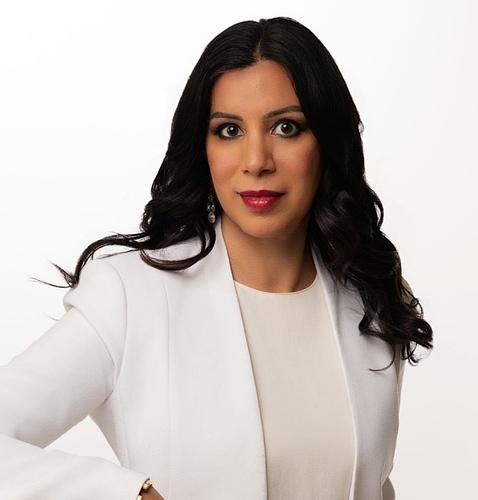

Ami BhattChief Medical OfficerWHOOPHealth Tech & Solutions
Ami Bhatt
Chief Medical OfficerWHOOP
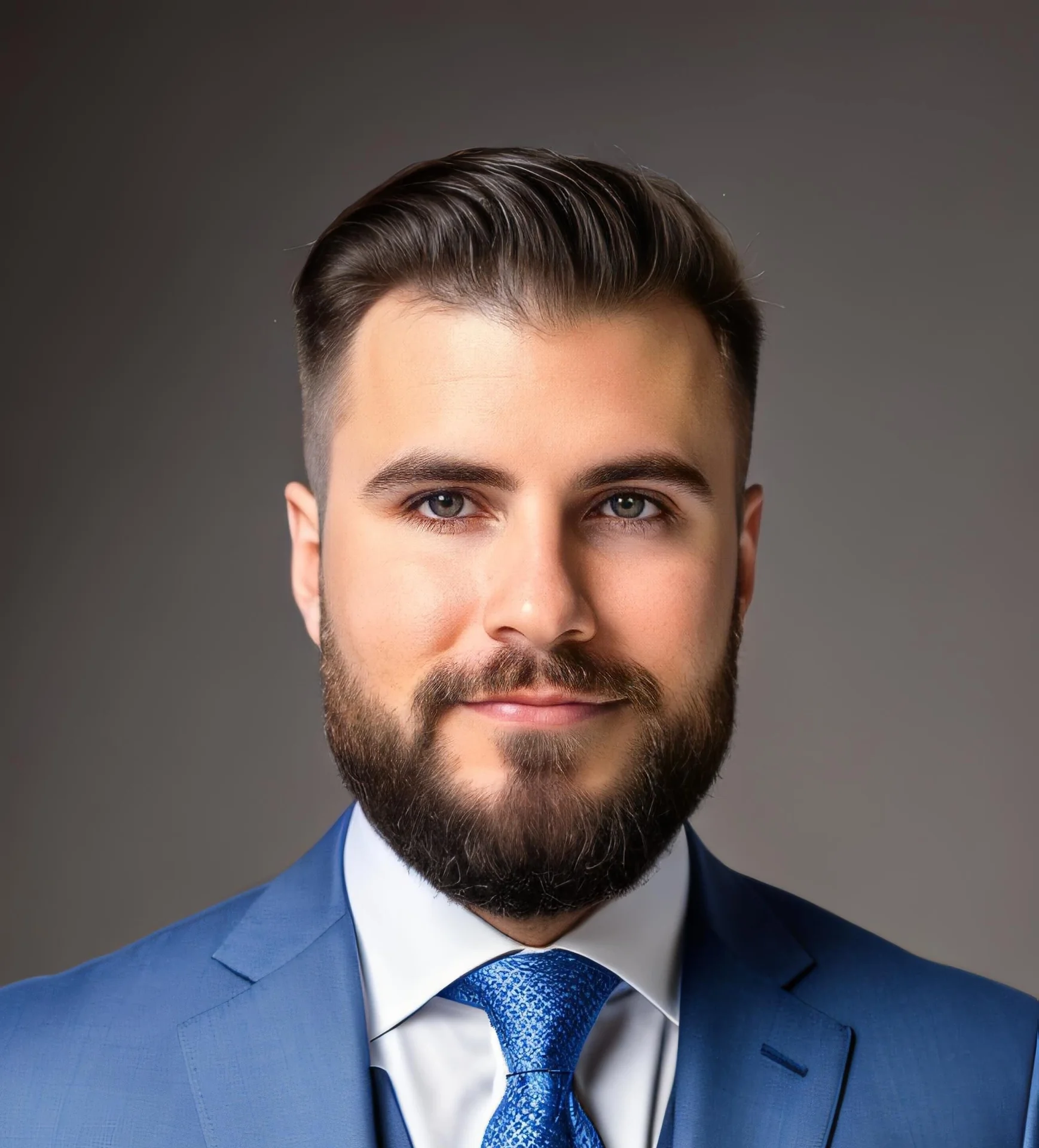
Andrii Savytskyi Head of BD DeHealthStartup
Andrii Savytskyi
Head of BD DeHealth
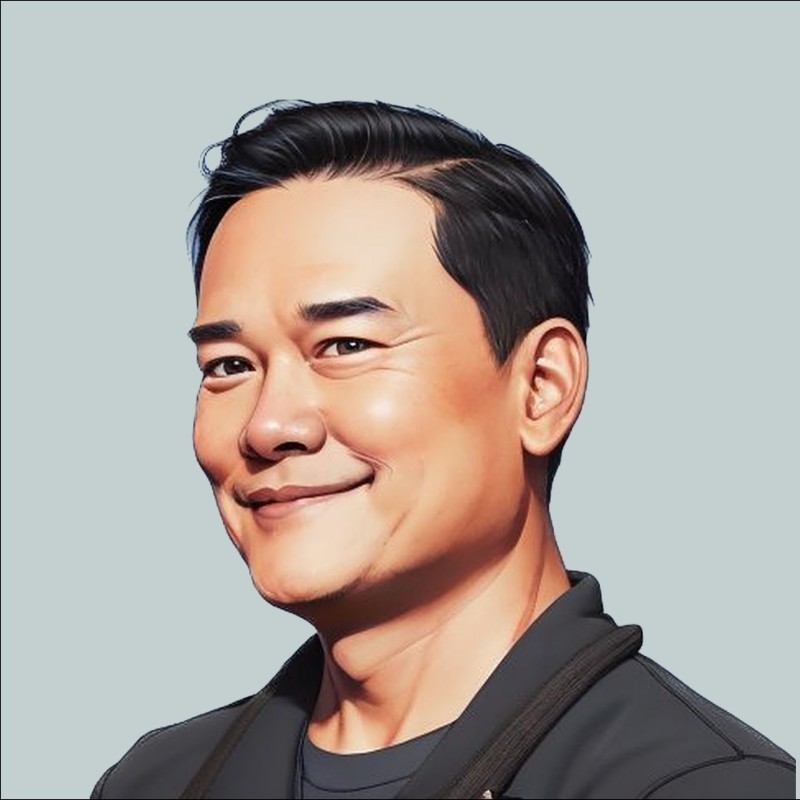
Cliff Lee VP, Digital Health StrategyDawn HealthHealth Tech & Solutions
Cliff Lee
VP, Digital Health StrategyDawn Health
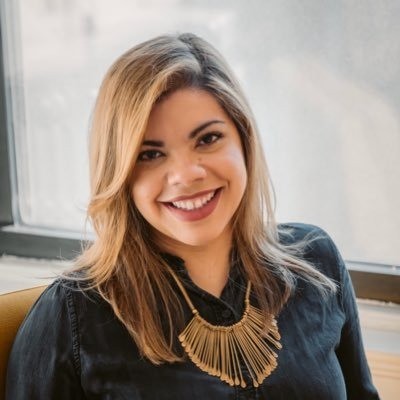
Deborah Pereira Product Design & User ResearchSelfHealth Tech & Solutions
Deborah Pereira
Product Design & User ResearchSelf
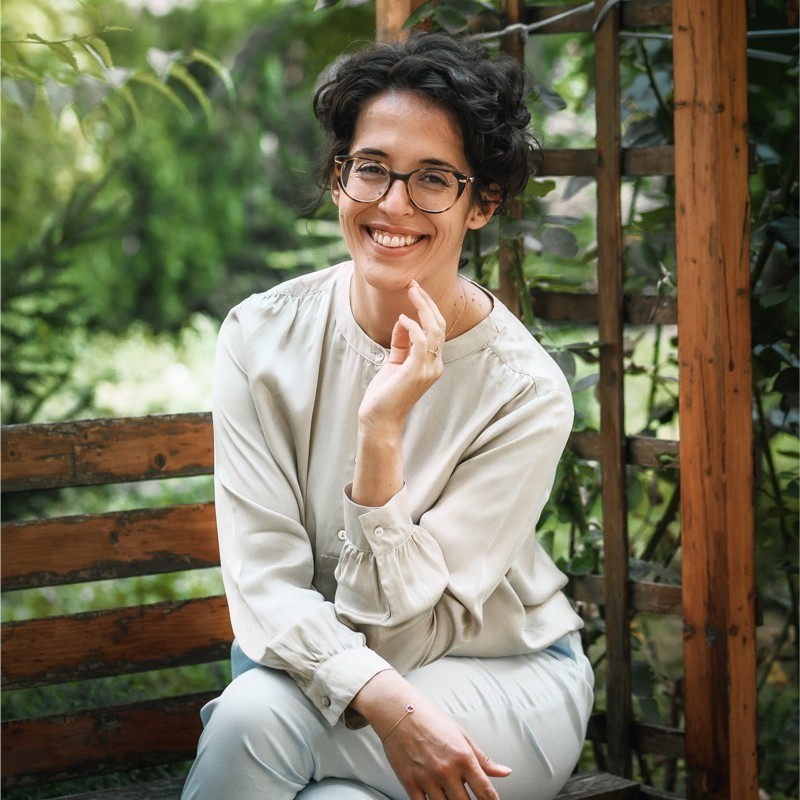
Ekaterina Karpusova EMEA BO & InnovationBAYEROther
Ekaterina Karpusova
EMEA BO & InnovationBAYER

Eric Thrailkill Executive Director, U.S. OperationsGlobal Health ConnectorNon Profit & Academia
Eric Thrailkill
Executive Director, U.S. OperationsGlobal Health Connector
Joelle Valckx Invenstment AnalystHealthXLInvestor & Accelerators
Joelle Valckx
Invenstment AnalystHealthXL
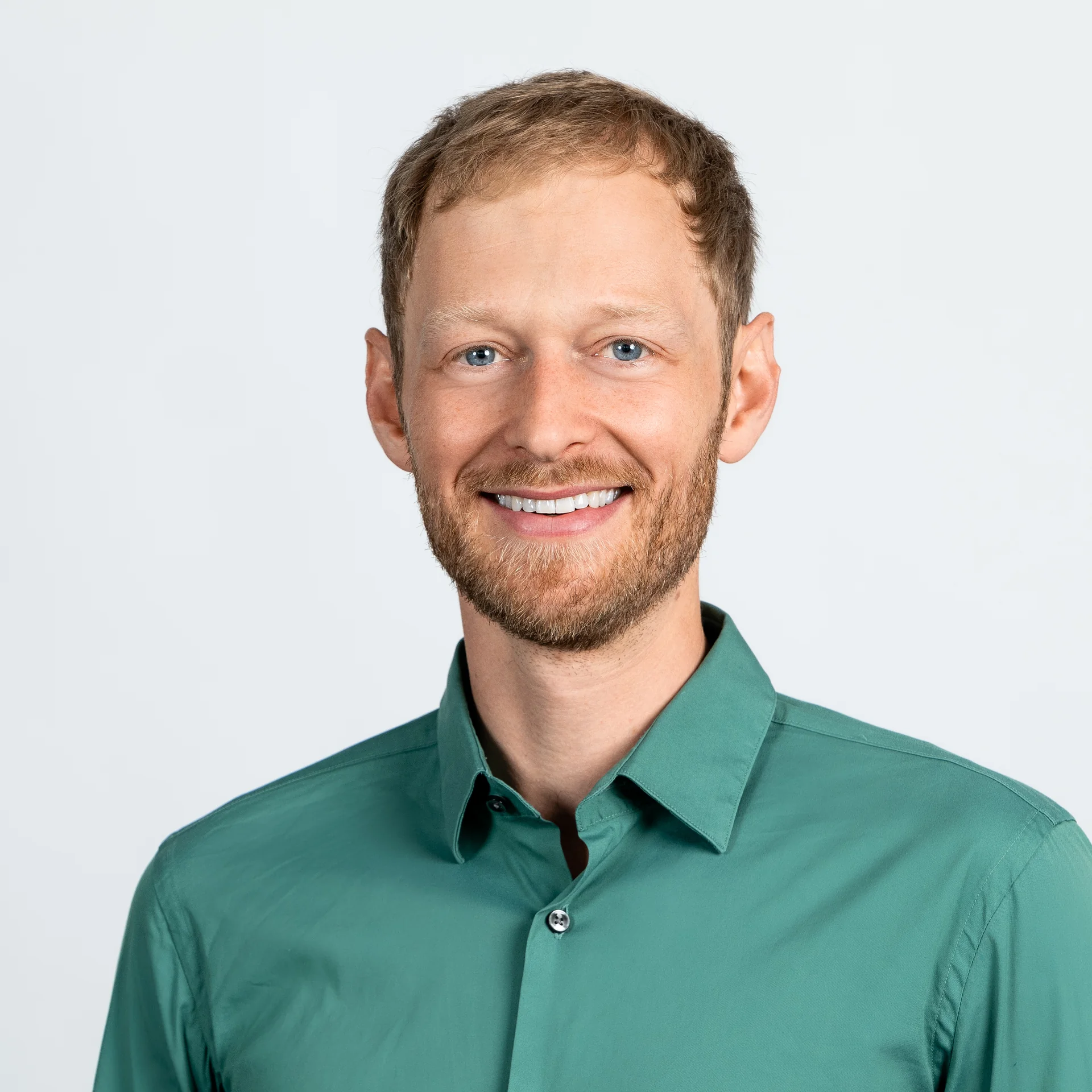
Johannes Boshkow Sr Business Development DirectorDawn HealthHealth Tech & Solutions
Johannes Boshkow
Sr Business Development DirectorDawn Health
Kaley Simon SVP, Product & StrategyMedAdvisor SolutionsHealth Tech & Solutions
Kaley Simon
SVP, Product & StrategyMedAdvisor Solutions
Maria Jurek Senior AssociateBird & BirdProfessional Services
Maria Jurek
Senior AssociateBird & Bird