


11 Nov 2026 | 04:00 PM GMT
Too Many Pilots, Not Enough Proof: What Evidence Actually Gets Healthcare to Buy?
Anchored by:
Participants:
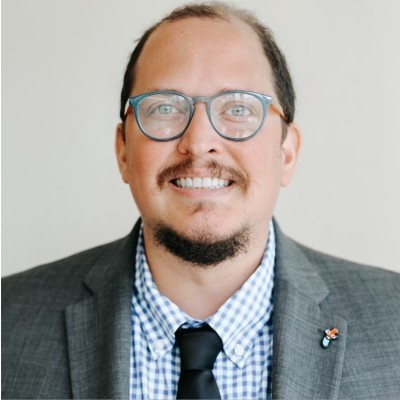
Karlo Martin Senior PartnerPHAGE CorporationLife Sciences, Pharma & Biotech
Karlo Martin
Senior PartnerPHAGE Corporation
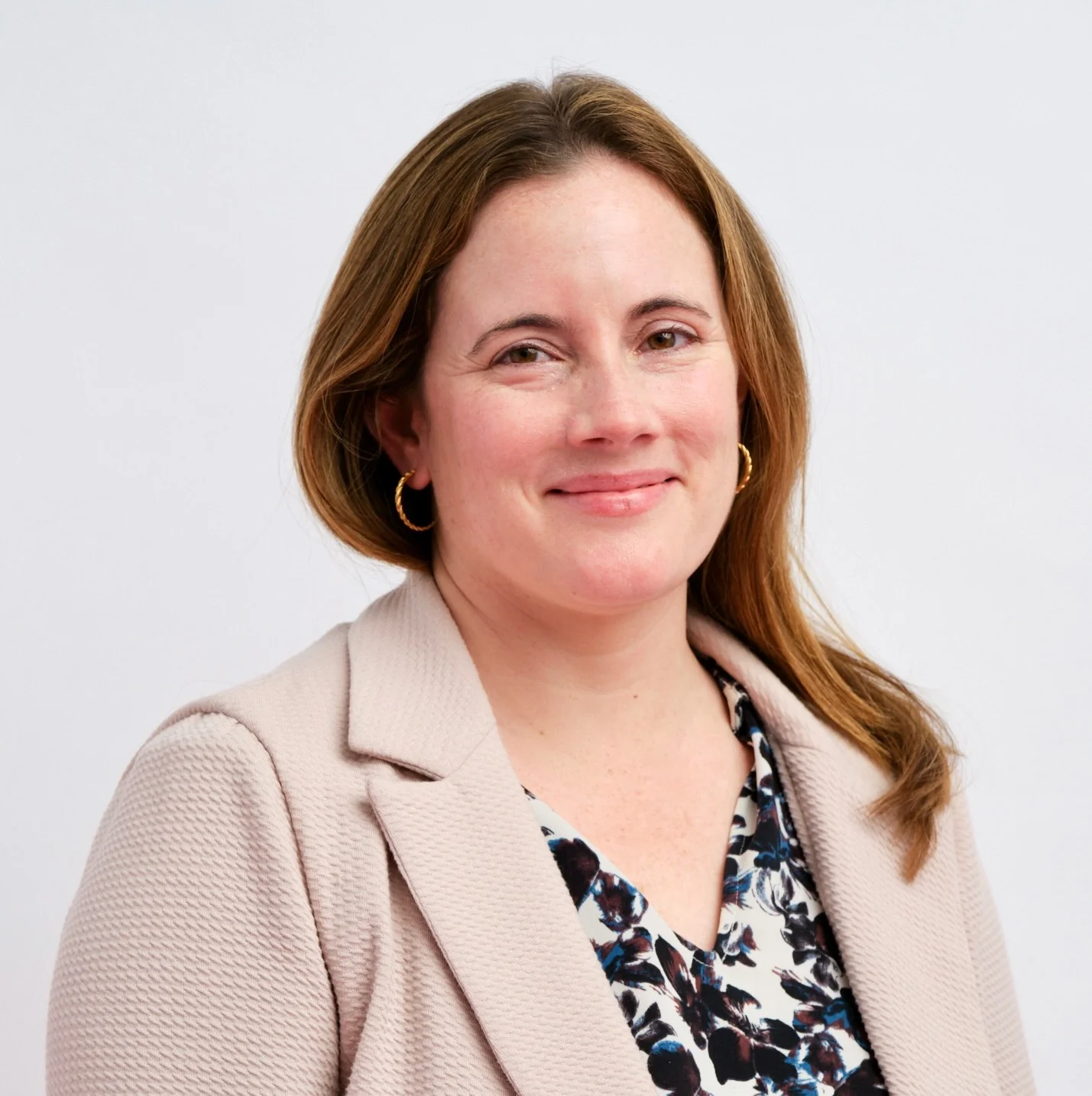

Lisa Bari Co-HostThe Health Tech Talk ShowMedia
Lisa Bari
Co-HostThe Health Tech Talk Show
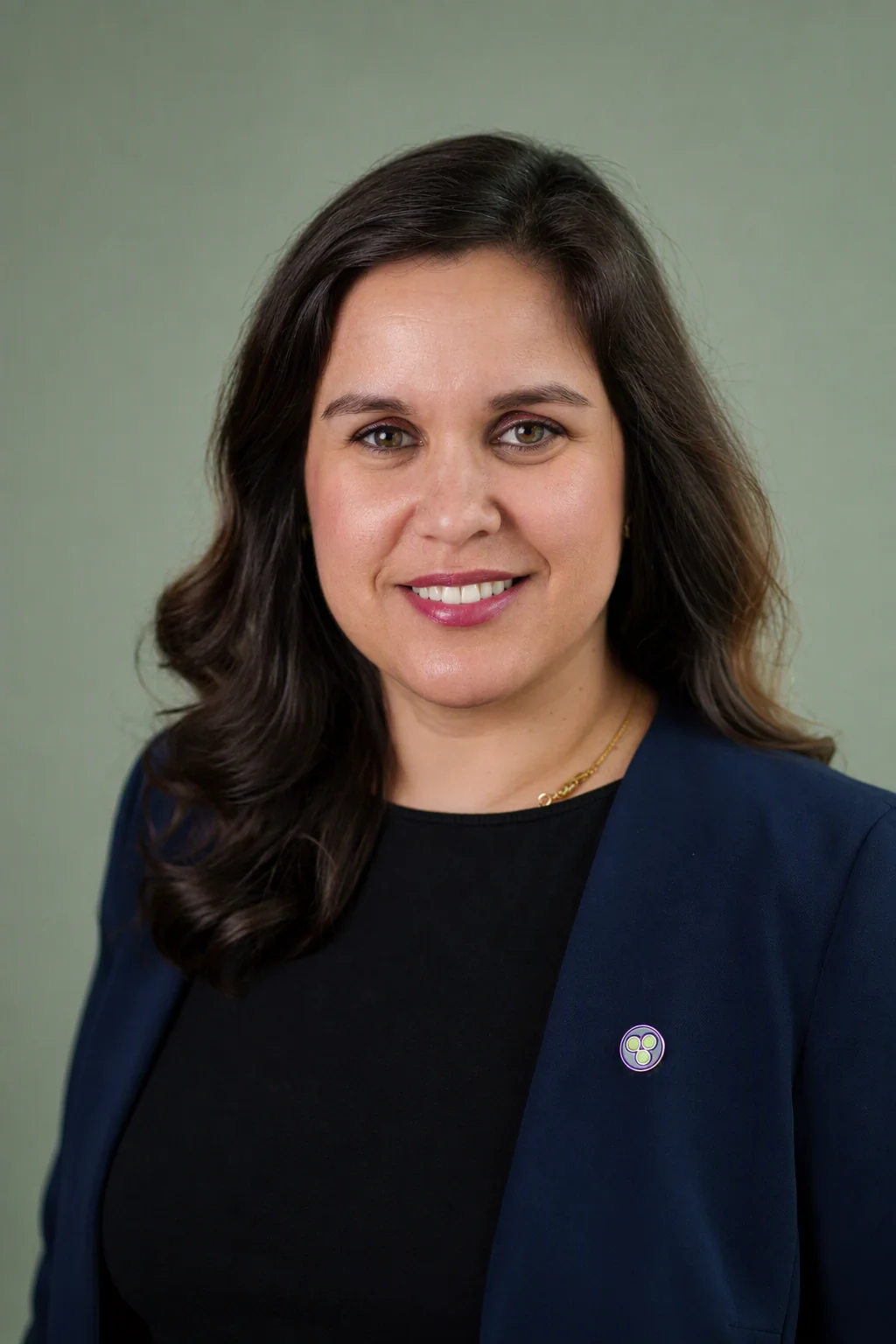
Ana Isabel Martins TechnologistIDA IrelandGovernment
Ana Isabel Martins
TechnologistIDA Ireland
Anthony Anandan Digital Health ConsultantHLTHProfessional Services
Anthony Anandan
Digital Health ConsultantHLTH
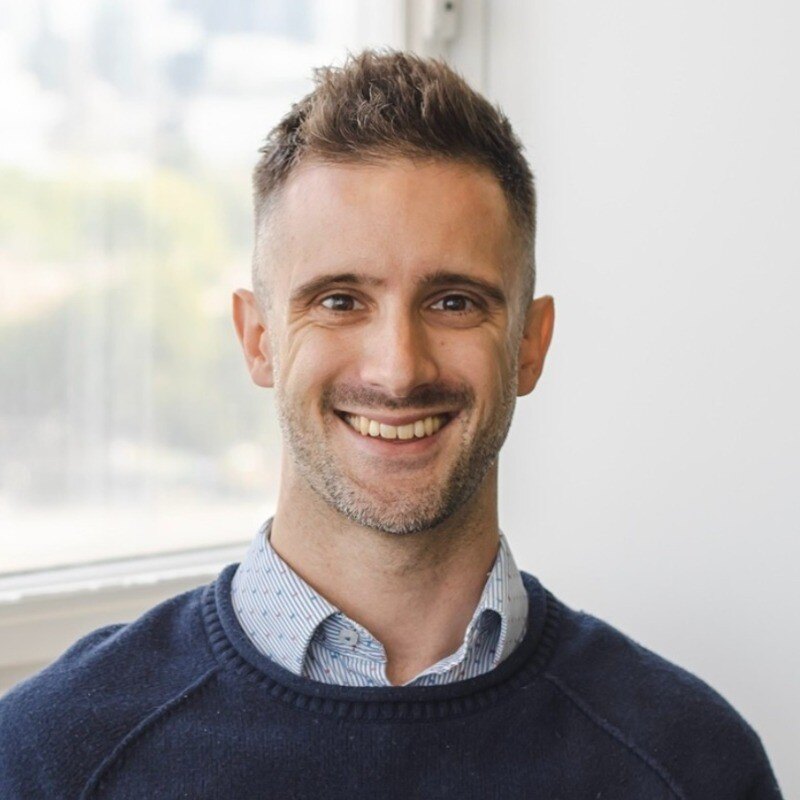
Bradley Fryer Commercial DirectorHLTHHealth Tech & Solutions
Bradley Fryer
Commercial DirectorHLTH
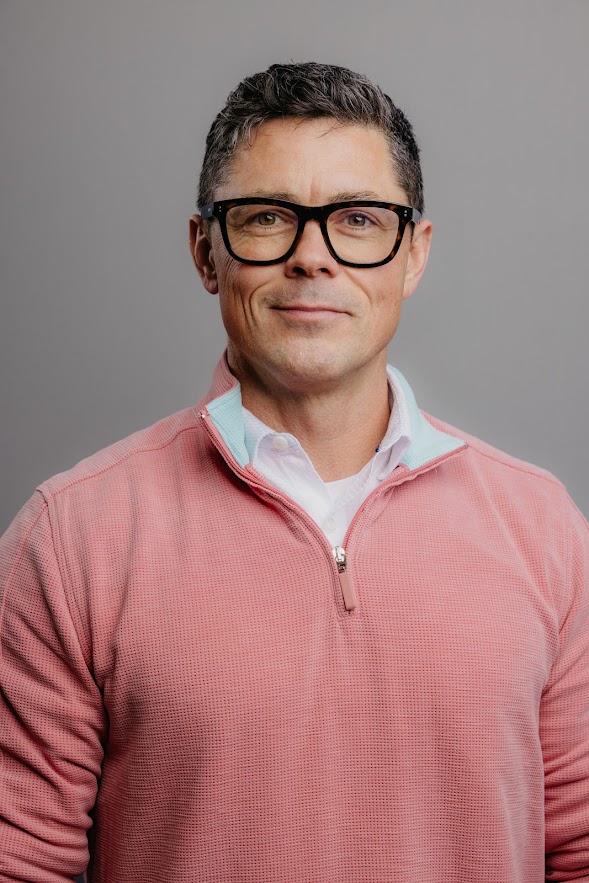
Dave Esra CEOBobiHealthStartup
Dave Esra
CEOBobiHealth
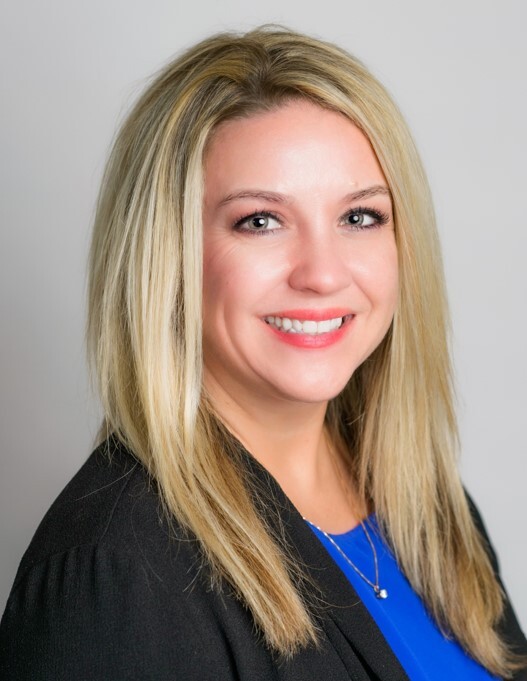
Hannah Simmons Director of ProductInteleosNon Profit & Academia
Hannah Simmons
Director of ProductInteleos
Jeff Danto Epic Clinical Applications DirectorHuron Consulting GroupHealth Tech & Solutions
Jeff Danto
Epic Clinical Applications DirectorHuron Consulting Group
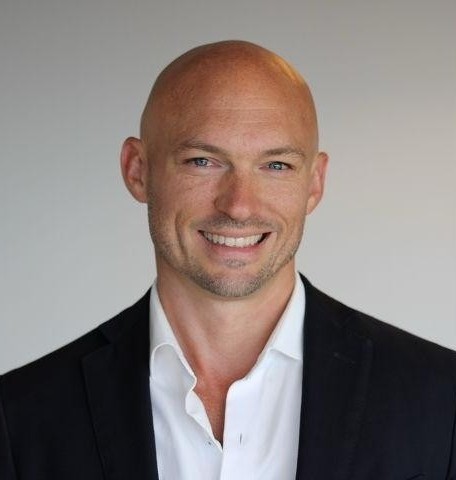
Johnny Helmberger Chief Revenue OfficerStethoMeStartup
Johnny Helmberger
Chief Revenue OfficerStethoMe
Malin Johansson Head of Life ScienceSleep CycleHealth Tech & Solutions
Malin Johansson
Head of Life ScienceSleep Cycle

Matt Norton VP of Marketing & Commercial DevelopmentS3 Connected HealthProfessional Services
Matt Norton
VP of Marketing & Commercial DevelopmentS3 Connected Health
Matthew Parrott Dir., New Bus Dev, Workforce Health SolutionsQuestProfessional Services
Matthew Parrott
Dir., New Bus Dev, Workforce Health SolutionsQuest
Michelle Sun FounderUnmuteHealth Tech & Solutions
Michelle Sun
FounderUnmute

Sathvik Bilakanti Podcast HostCare ShiftMedia
Sathvik Bilakanti
Podcast HostCare Shift

Shaneis Morse VP of Data SolutionsCenter for Improving Value in HealthcareNon Profit & Academia
Shaneis Morse
VP of Data SolutionsCenter for Improving Value in Healthcare

Taiyo Jonsson Global Product OwnerNovo NordiskLife Sciences, Pharma & Biotech
Taiyo Jonsson
Global Product OwnerNovo Nordisk

Tanveer Padder Founderondemandpsych.comStartup
Tanveer Padder
Founderondemandpsych.com
Tim Day Senior Product ManagerNovo NordiskLife Sciences, Pharma & Biotech
Tim Day
Senior Product ManagerNovo Nordisk