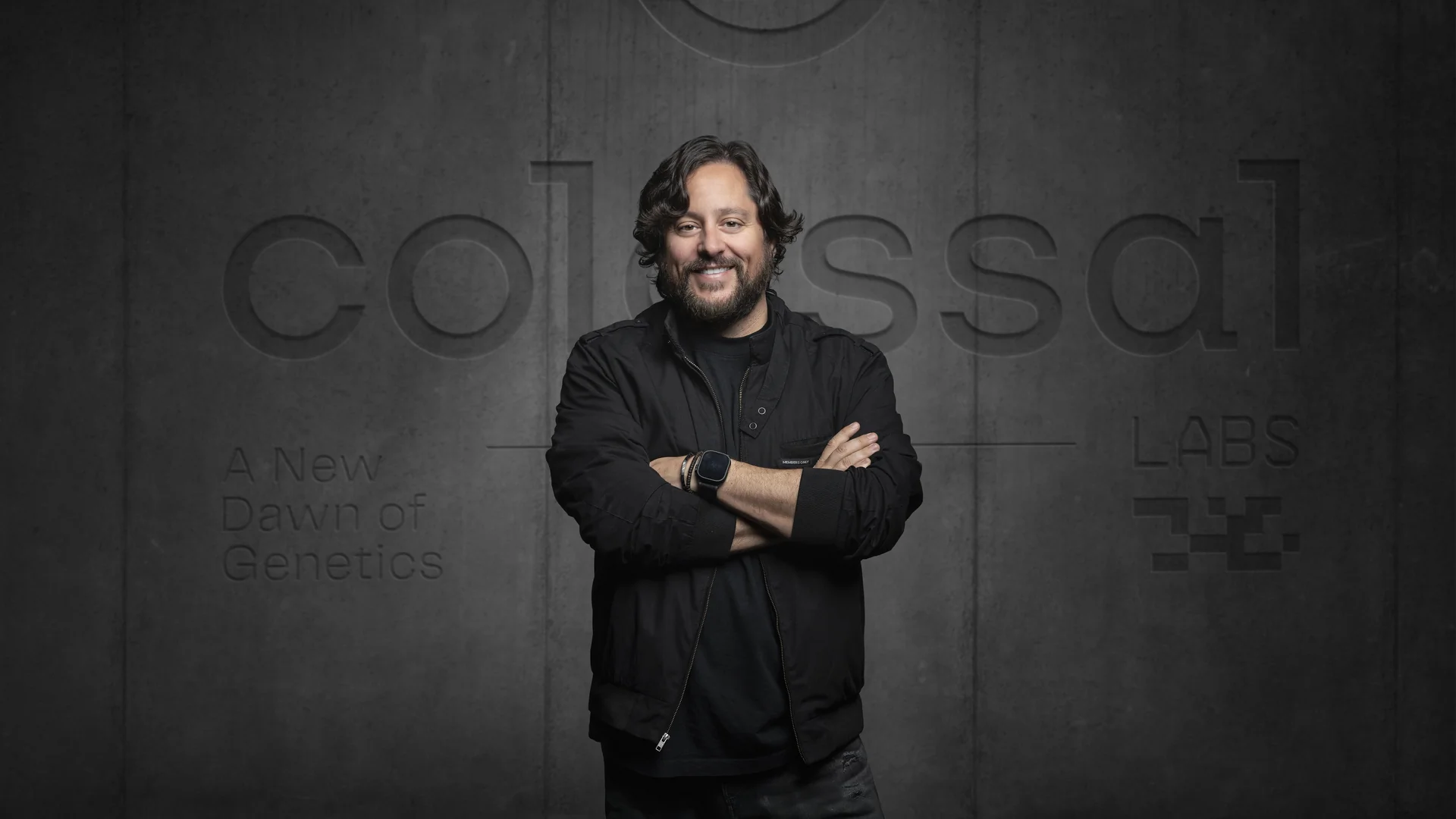
Ben Lamm didn’t set out to build a healthcare company. He set out to bring back the woolly mammoth. But reconstructing ancient genomes required the world’s first de-extinction company Colossal Biosciences to advance genome engineering, stem-cell reprogramming, reproductive science and computational biology, the same foundational capabilities now transforming genetic medicine. That work has already produced Colossal gestated companies Form Bio, which applies multi-species genome-engineering infrastructure to human genetic medicines, and Astromech, a predictive-biology company designed to connect genetic code with biological consequences and anticipate where disease risk may emerge. De-extinction may be more than a conservation moonshot; it may be one of biology’s most demanding proving grounds. What happens when the tools built to recover a lost species begin revealing new ways to understand, model and treat human disease?