


Speakers:
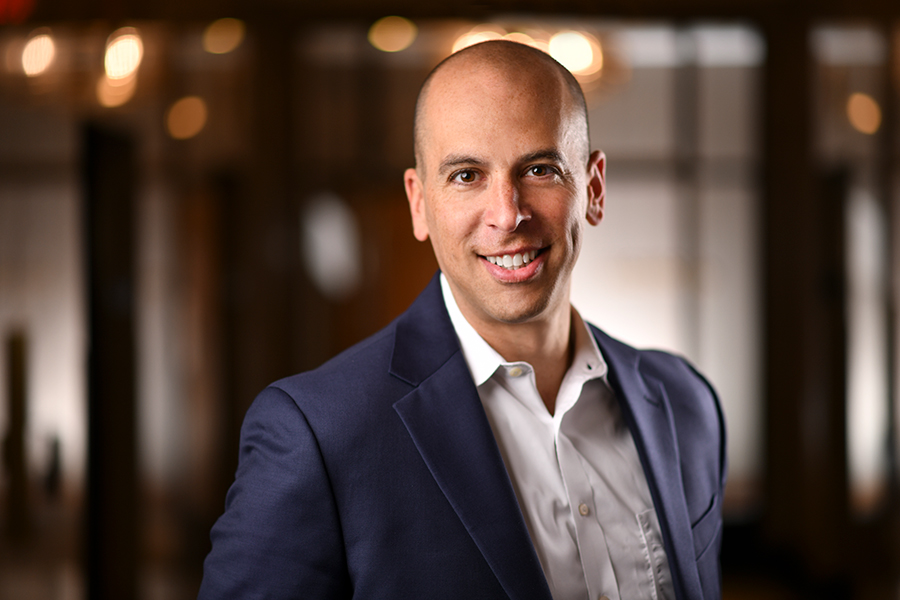
Dave Zimmerman Chief Operating OfficerInbound HealthHealth Tech & Solutions
Dave Zimmerman
Chief Operating OfficerInbound Health
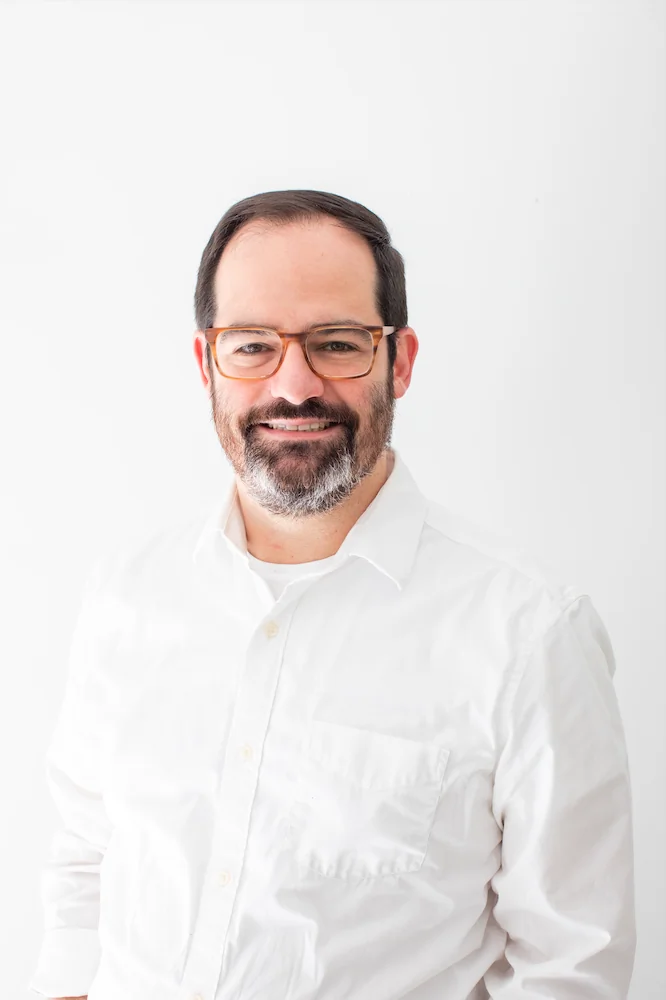
Dr Lucas Golub Chief Medical OfficerMatter HealthHealth Tech & Solutions
Dr Lucas Golub
Chief Medical OfficerMatter Health

Laura Templeton Executive Vice President, COOCompassusHealth System & Providers
Laura Templeton
Executive Vice President, COOCompassus

Megan Zweig President and CEORock Health AdvisoryProfessional Services
Megan Zweig
President and CEORock Health Advisory
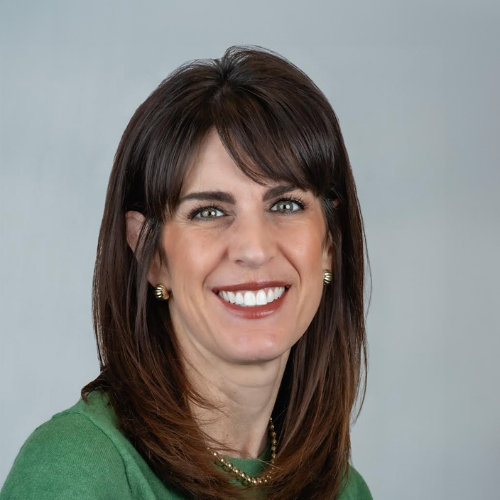
Melissa Steffan President, Home-Based CareEvernorth Health ServicesHealth Tech & Solutions
Melissa Steffan
President, Home-Based CareEvernorth Health Services