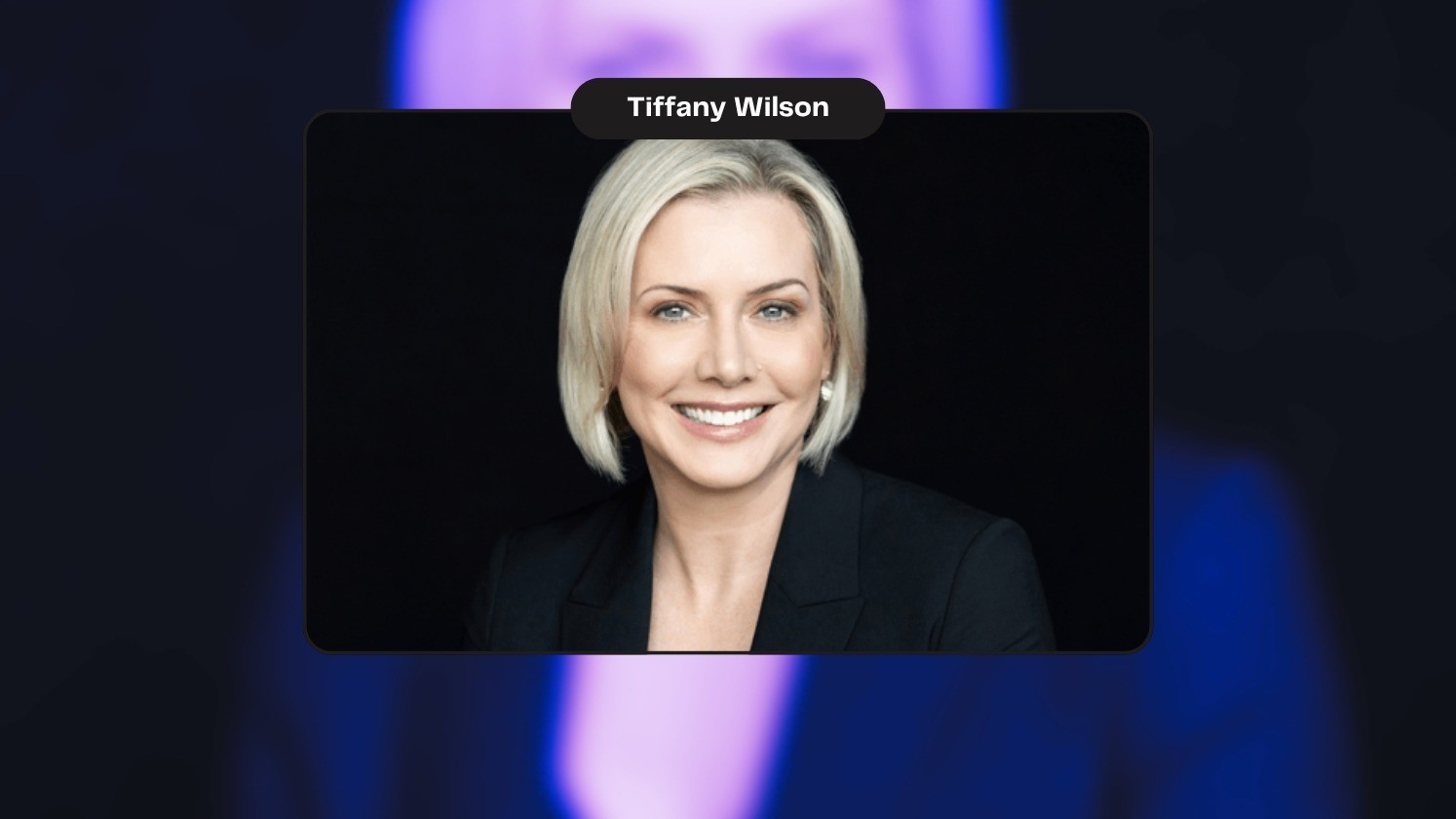
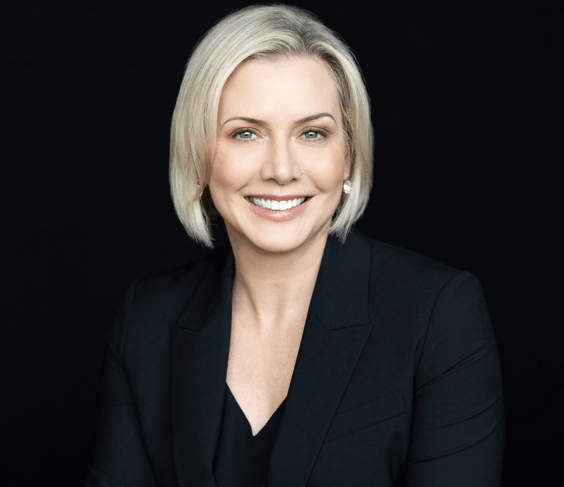
Tiffany Wilson has spent 20+ years bringing innovative technology from idea to market adoption and is known globally for her thought leadership on commercialization in medtech, digital health, and health tech. In October 2020, she was appointed President & CEO of the Philadelphia-based Science Center to lead its growth from regional ecosystem builder to a global catalyst for healthcare innovation.
What gets you super excited about healthcare innovation, and what do you find hard to watch happening?
What's exciting to me is the continued convergence of technologies in both traditional life sciences and the technology side. The first iteration I saw was when I was building in Atlanta—it was early digital health. Traditional med device innovators were coming in wanting to integrate sensors and software and interact with the cloud. They didn't really know how they would monetize it or what they were tracking, but it was the cool new thing, like AI is now.
What was interesting was that engineers in academic environments are often trained in silos. They're not used to close collaboration. I saw mechanical engineers, biomedical engineers, software engineers, and electrical engineers all having to work together in new ways. It was a human challenge. Then I saw it happening here in Philadelphia coming out of the pandemic—data scientists and traditional life sciences researchers collaborating on new research together. Those new touchpoints fascinate me, not just from the convergence of science and the potential for new industries to launch, but the interdisciplinary nature and human collaboration required for this next generation and the ability to get solutions to patients faster.
What worries me or keeps me up at night is I don't think we're doing a good enough job innovating around business models for these therapies, whether it's new biotech companies or digital health solutions. Specifically understanding what payer models look like moving forward. In the US, it's all about "who's the customer and who's going to pay for it?" over and over again. I don't see enough of that. We have great science, but until everyone can take advantage of the solutions, we're missing the mark.
For a founder trying to nail down who's going to fund their solution, what advice can you give?
There's lots of expertise out there, and that's where we're spending a lot of time at the Science Center because it's so hard for founders to figure out. It's like a black box, and they can't really get in. There's no front door to healthcare, so it's really hard for them to find those answers in a deliberate way. That's where the Science Center is spending time creating those pathways. We're able to partner with founders to get answers faster.
As someone who's been on both the operations side and investor side, this is the blind spot where I most often see founders missing—really understanding that commercialization pathway. You see founders consistently talking about the science, but they gloss over sales cycles, different distribution models, and payer adoption.
Before founders spend more time on the next prototype or iteration, it's really in their best interest to understand and figure out what that go-to-market strategy is going to be. Where are the hurdles they're going to face? How much capital will they need to overcome them? Really understanding what evidence they'll have to show, realistically, to get that adoption and payment. It's not enough to just do a Google search or use ChatGPT or talk to a subject matter expert. You really need to prove that out. And it's hard and uncomfortable.
What's one big bottleneck at the ecosystem level that you see consistently?
I think it's thinking outside the box. From an ecosystem and startup support standpoint, we can't rely on traditional convening—conferences, pitch competitions, demo days. It's a dopamine hit that doesn't really help founders get to the next level.
I was in a conversation recently with a biotech investor where many ecosystems think, "Well, if we just had the capital that Boston or San Francisco had, we could see more startup success and growth." Founders could have big exits, stay in the region, and reinvest into that ecosystem. But I don't think that's enough. You really need to show that pathway to adoption, whether in your ecosystem or leveraging the larger market. And then really supporting founders how they need to be supported, which isn't another meetup. It's the hard work of the day-to-day slog of being an entrepreneur where they really need help.
You have experience in commercialization across different markets. Are there approaches that translate well across regions versus those that don't?
I've had personal experience testing new products in Europe and Canada. What we see on the European side is it's just different, and healthcare is so local. You really need local partners on the ground to validate and translate in those different markets, to understand who the ultimate payer is. It's really about understanding those specific markets.
At the end of the day, the US is the biggest market. If you've got clinical evidence and go-to-market there, then there are opportunities to partner with different regions or large strategics or local distribution companies to scale technologies. But the biggest challenge we see is overseas, non-US based companies having success in their own market but not being able to translate to the US market. That really requires, in my opinion, some real cross-border partnerships to get insight and advice on go-to-market strategy in the US.
As Americans, we don't even understand our healthcare system and how things work. Philadelphia could be different depending on which hospital you're talking to. I was born and raised on the Mississippi Gulf Coast—I guarantee the way devices and digital health solutions are distributed or adopted in South Mississippi is way different from Boston. Different patient populations, different reimbursement structures, state-by-state regulations. That's really challenging for companies not based in the US to understand.