What does it really take to get a healthcare AI product past the proof-of-concept stage and into production? In this episode of the AI at ViVE series on the BEAT Podcast, host Sandy Vance sits down with Tushar Puri, CEO of Pegasus One, and Sebastian Ouslis, Co-Founder of ChartR Health, to find out. Together, they pull back the curtain on how ChartR is building an autonomous analytics platform that lets hospitals interrogate their own data across silos in real time, and how Pegasus One's SONG framework is the foundation making it possible. From managing agent drift to the very real stakes of lagging data in sepsis care, this conversation is a masterclass in building healthcare AI that can actually go from pie-in-the-sky to impact you can quantify.
In this episode, they talk about:
Why most healthcare AI projects never reach production
The real meaning behind the SONG framework
How data silos slow down hospital decision-making
Turning weeks of analysis into minutes with AI
The hidden cost of poor workflow integration
Why governance must be built in from day one
The importance of designing for real-world healthcare systems
How ChartR enables continuous analytics across hospital data
What agent drift is and why it matters long term
The role of partnerships in building scalable AI products
A Little About Tushar and Sebastian:
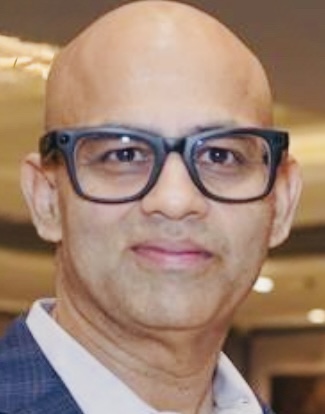
Tushar Puri is the Founder and CEO of Pegasus One, where he helps organizations build scalable AI and software products that actually make it to production. With more than 15 years in product engineering, he specializes in bridging the gap between technical innovation and real-world implementation, especially in healthcare.
Sebastian Ouslis is the Co-Founder of ChartR, an AI-driven healthcare analytics platform focused on turning complex clinical data into real-time insights. His work centers on using AI to help hospitals continuously learn, adapt, and improve patient outcomes.