


17 Dec 2026 | 06:00 PM GMT
Beyond Efficiency: Can AI Actually Change Patient Outcomes?
Participants:
Anjali Bhagra Medical Director of Intelligent AutomationMayo ClinicHealth System & Providers
Anjali Bhagra
Medical Director of Intelligent AutomationMayo Clinic

Jen Horonjeff Co-Founder and CEOReal Patients™Other
Jen Horonjeff
Co-Founder and CEOReal Patients™
Alexandra Vallon Eberhard Senior Director - CTORoche DiagnosticsLife Sciences, Pharma & Biotech
Alexandra Vallon Eberhard
Senior Director - CTORoche Diagnostics
Alonso Dominguez Sobrino Senior Partnerships ManagerNovo NordiskLife Sciences, Pharma & Biotech
Alonso Dominguez Sobrino
Senior Partnerships ManagerNovo Nordisk
Bradley Fryer Commercial DirectorHLTHHealth Tech & Solutions
Bradley Fryer
Commercial DirectorHLTH
Coco Shellim Founder & CEOSound AiSleepHealth Tech & Solutions
Coco Shellim
Founder & CEOSound AiSleep
Karl Pryor Regional Medical DirectorJane Pauley Community Health CenterHealth System & Providers
Karl Pryor
Regional Medical DirectorJane Pauley Community Health Center
Kat Mason Innovation leadNHS online Health System & Providers
Kat Mason
Innovation leadNHS online
Priyesh Patel HospitalistNovant HealthHealth System & Providers
Priyesh Patel
HospitalistNovant Health
Rose Knopp Manager, Pharmacy ServicesKeenan & AssociatesProfessional Services
Rose Knopp
Manager, Pharmacy ServicesKeenan & Associates

Somya Tiwari Healthcare Research & Strategy ExecutiveMindbowserHealth Tech & Solutions
Somya Tiwari
Healthcare Research & Strategy ExecutiveMindbowser
Søren Meelby Associate Global Director PartnershipNovo NordiskHealth Tech & Solutions
Søren Meelby
Associate Global Director PartnershipNovo Nordisk
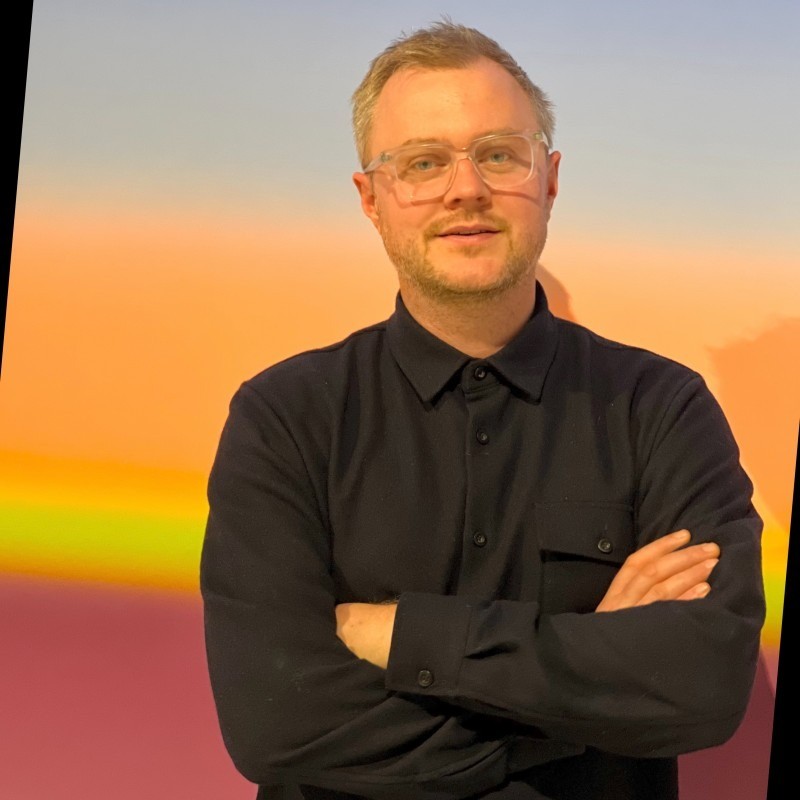
Tim Day Senior Product ManagerNovo NordiskLife Sciences, Pharma & Biotech
Tim Day
Senior Product ManagerNovo Nordisk
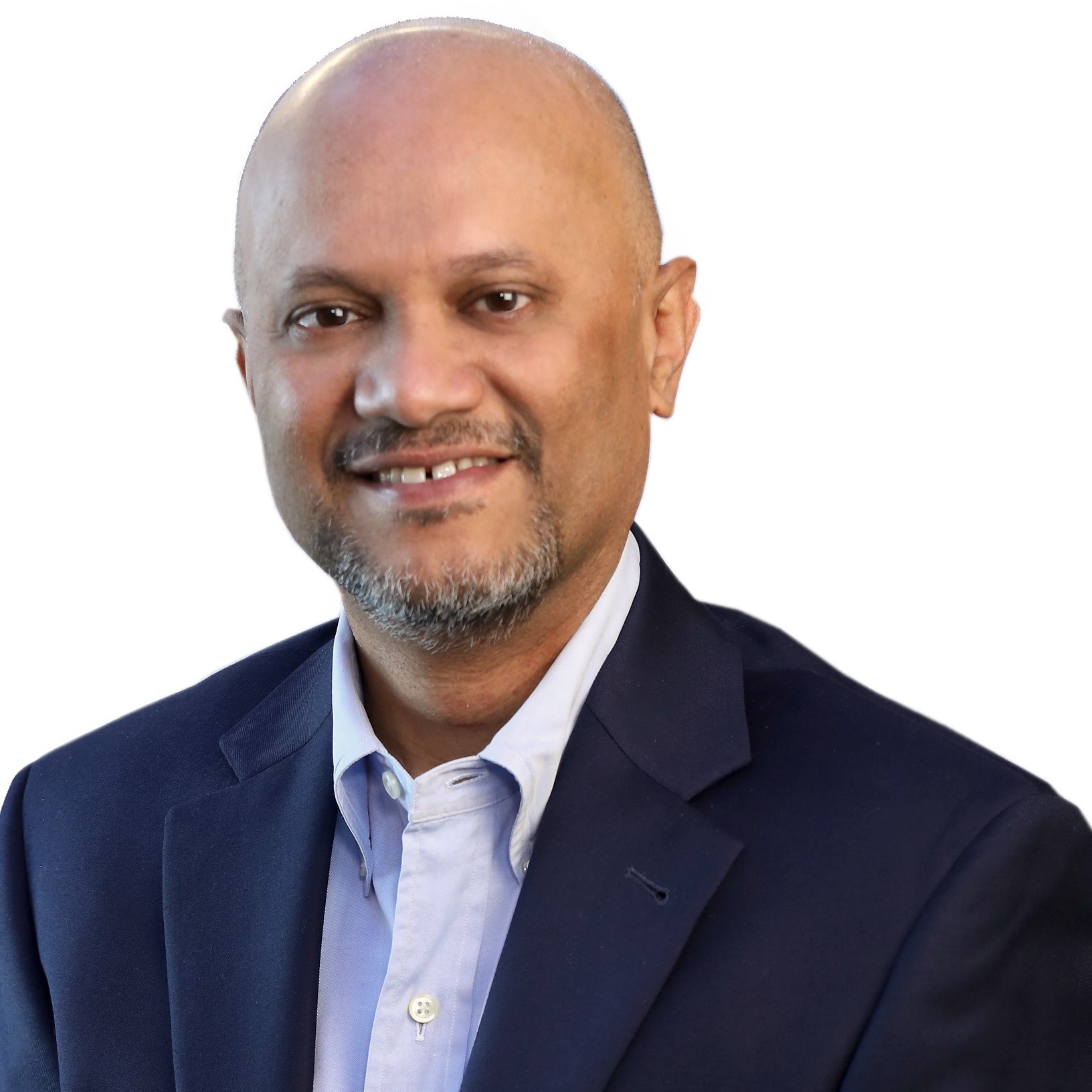
VJ Bala VP Marketing Partnerships & GrowthResmedHealth Tech & Solutions
VJ Bala
VP Marketing Partnerships & GrowthResmed