


15 May 2024 | 03:00 PM GMT
Past MeetingMulti-Condition SaMD: Regulatory Requirements and Future Implications
Participants:
Alexander Gilbert VP Life SciencesAmalgam RxHealth Tech & Solutions
Alexander Gilbert
VP Life SciencesAmalgam Rx
Arrash Yassaee Global Clinical DirectorHumaOther
Arrash Yassaee
Global Clinical DirectorHuma

Ciara Clancy Chief Executive OfficerBeats Medical LtdHealth Tech & Solutions
Ciara Clancy
Chief Executive OfficerBeats Medical Ltd
Felix Lee US Digital Healthcare Medical HeadSanofiOther
Felix Lee
US Digital Healthcare Medical HeadSanofi

Jean Ledger Research and evaluation consultantAdora Digital HealthOther
Jean Ledger
Research and evaluation consultantAdora Digital Health
Ralph Morales III Managing DirectorShokunin VenturesStartup
Ralph Morales III
Managing DirectorShokunin Ventures
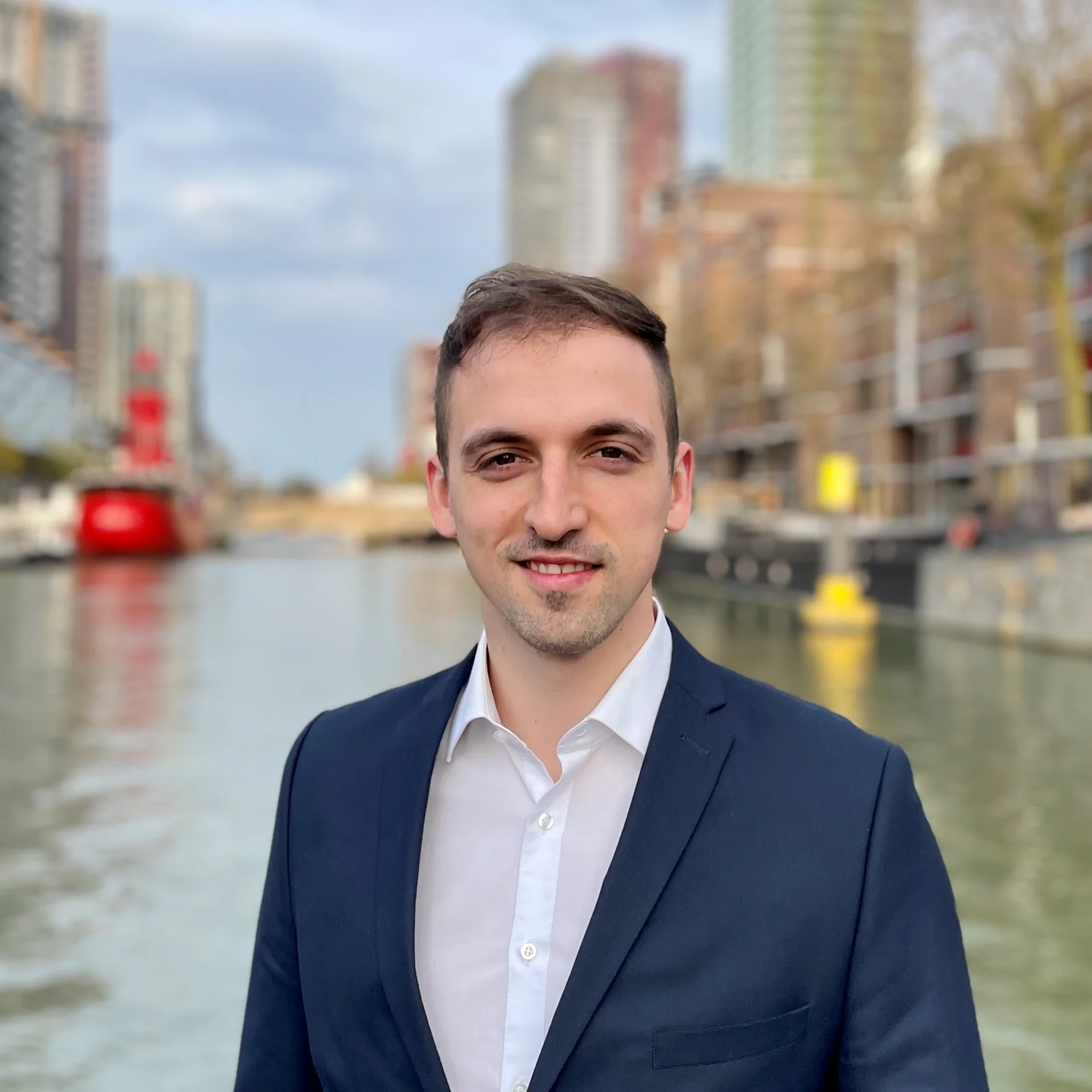
Simon Bock Market Access ManagerTiefenbacher PharmaceuticalsLife Sciences, Pharma & Biotech
Simon Bock
Market Access ManagerTiefenbacher Pharmaceuticals

Sonali Agarwal Senior Manager, Digital Health & InnovationGlaxoSmithKline
Sonali Agarwal
Senior Manager, Digital Health & InnovationGlaxoSmithKline
Ventsislav Dobrev Global Clinical Lead Digital BiomarkersRocheLife Sciences, Pharma & Biotech
Ventsislav Dobrev
Global Clinical Lead Digital BiomarkersRoche

Zina Manji Founder/Principal, Regulatory StrategistInnopathwayz, LLCLife Sciences, Pharma & Biotech
Zina Manji
Founder/Principal, Regulatory StrategistInnopathwayz, LLC